J.K. Chandru’s “Revolver Rita” may dress itself as a darkly comic crime caper about one bad decision, a misplaced corpse, and a suitcase that simply refuses to behave. But beneath the slapstick chaos lies a story sculpted for revenge, a narrative that pretends to stumble forward until you realize every misstep was staged, right up to the final gunshot. This isn’t the tale of a woman caught in a night of madness.
It’s the story of someone who spends eighteen long years learning patience, grief, and the art of letting others do her killing for her. Set in Pondicherry, the film moves with the frantic rhythm of a farce but wears the mind of a tragedy. Everyone else believes they’re driven by greed, panic, or loyalty. Only Rita knows she’s guiding them all toward the ending she’s been waiting for.
Spoilers Ahead
Revolver Rita (2025) Plot Summary and Movie Synopsis
Why Does the Film Begin With Prabhakar’s Death?
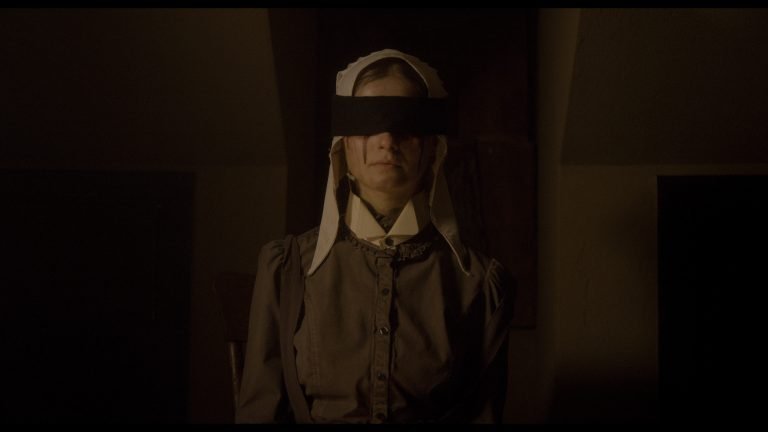
Prabhakar’s suicide isn’t just backstory. It’s the moral wound that never heals. He is a rifle club owner who believes he has secured his family’s future by buying land worth ₹2 crore, only to discover that Jayabal Reddy has cheated him completely. The betrayal isn’t loud or violent. It’s bureaucratic, clean, and irreversible.
Prabhakar kills himself because the system offers him no way back. That quiet death defines Rita’s worldview. Justice doesn’t arrive on time. It doesn’t arrive cleanly. If it comes at all, it has to be engineered. Everyone else in the film commits crimes for money or power. Rita’s actions are due to a childhood shaped by humiliation and loss.
How Does Dracula Pandiyan’s Death Become the Catalyst?
Eighteen years later, the story appears to belong to gangsters. Dracula Pandiyan is a feared don, surrounded by violence and myth. His son Bobby proves his cruelty early by beheading Narasimha Reddy, sparking a long-simmering feud with Narasimha’s brother, Jayabal Reddy. Pandiyan’s death, however, is absurd. Drunk and careless, he walks into the wrong house while chasing pleasure. Rita and her mother, Chellamma, don’t set out to kill him.
They just want him gone. When he pulls a gun, Chellamma reacts instinctively, striking him with a pressure-cooker lid. The great gangster collapses and dies on a domestic floor, reduced from legend to liability. This moment is crucial. Pandiyan isn’t defeated by a rival gang or a hired assassin. He dies because he underestimates ordinary women. The rest of the film explores what happens when that accident becomes an opportunity.
Why Does Rita Refuse to Go to the Police?
Chellamma wants to surrender immediately. Rita refuses without hesitation. Her refusal isn’t just due to panic. She remembers Inspector Kamaraj, who once harassed her for free food and lost his job after she exposed him online. Rita understands how power works. The police don’t protect people like her. They trade fear for favors. By choosing silence, Rita chooses control. Hiding the body isn’t just about survival. It’s about refusing to let corrupt systems rewrite the narrative. From this point onward, Rita never reacts blindly. Every step is calculated to keep authority figures guessing and desperate.
Yazhini’s birthday party is Rita’s first performance. With a corpse hidden in the house, she insists the celebration go on. Guests laugh, children eat cake, and music plays while death sits quietly nearby. This is Rita learning how to separate emotion from action. The party serves two purposes. It creates alibis, and it teaches Rita something essential: chaos can be disguised as normalcy. While gangsters panic and assassins mobilize, Rita remains calm. The contrast defines her strength throughout the film.
How Do the Assassins Turn on Each Other?
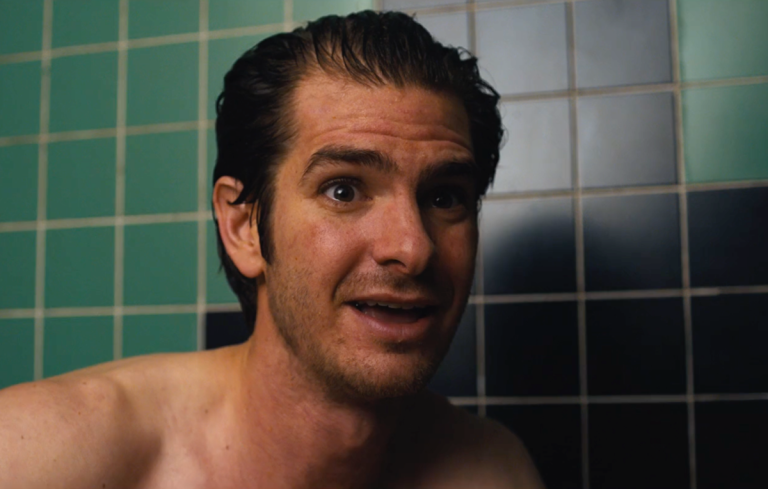
Jayabal Reddy hires an assassin named Master to kill Pandiyan for ₹5 crore. But the criminal ecosystem is already rotting from within. Master plans to cheat his own men, offering Doss, Kumar, and Babu only scraps. That greed fractures loyalty instantly. Doss, Kumar, and Babu murder Master and plan to deliver Pandiyan’s body themselves. In doing so, they reveal the film’s core truth: no one trusts anyone. Every alliance is temporary. Every promise has a hidden expiry date. Rita doesn’t need to create this instability. She only needs to survive long enough for it to consume itself.
The used black Honda City becomes a rolling coffin of secrets. Ironically, it’s the same car Pandiyan used before his death, stolen and resold back into Rita’s hands. Fate seems almost complicit. Rita’s plan to dump the body under the pretext of driving her cousin Reena to a NEET exam shows her adaptability. She blends family responsibility with criminal necessity. The locked trunk, broken lever, and wired boot turn the journey into a slow-burning nightmare, but Rita never loses sight of the goal. The suitcase isn’t just hiding a corpse. It’s carrying leverage.
Why Does Rita Manipulate Babu Instead of Killing Directly?
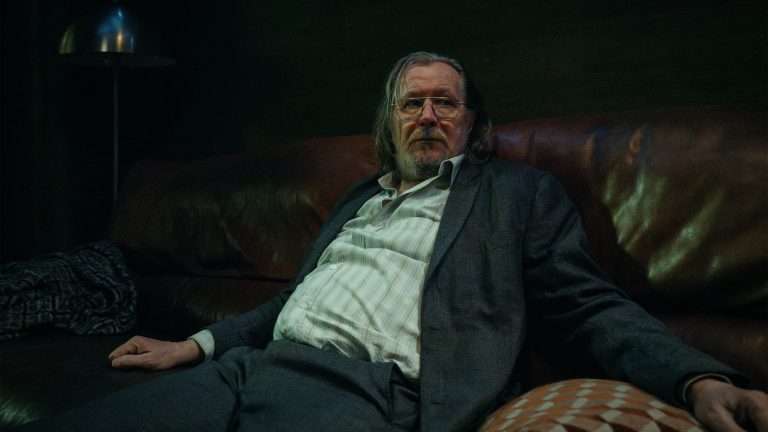
Kamaraj sees Rita as unfinished business. Discovering she owns Pandiyan’s car gives him the excuse he’s been waiting for. He frames her for theft, demands a ₹50-lakh bribe, and escalates to sexual coercion when she refuses. This is where Rita’s moral clarity sharpens. She doesn’t negotiate with him. She studies him. Later, she will use his greed against him, offering ₹5 crore instead. Kamaraj believes he’s finally winning. In reality, he’s stepping into a role Rita has already written for him.
Rita understands men like Doss, Kumar, and Babu better than they understand themselves. They believe strength comes from the gun. Rita knows it comes from suggestion. While captive, she feeds Babu exactly what he wants to hear: Money, freedom, and respect. She convinces him that killing Doss and Kumar will make them equals. Babu believes he’s choosing betrayal. In truth, he’s being guided into eliminating obstacles for Rita’s larger plan. Rita rarely fires first. She lets ambition do the work.
How Does Rita Turn Bobby Against Kamaraj?
Giving Pandiyan’s corpse to Kamaraj looks like surrender. It isn’t. It’s a consolidation. Rita trades the body for temporary safety and positions Kamaraj directly between Bobby and Jayabal Reddy. She knows these men cannot coexist peacefully. By lying about Doss and his gang, Rita rewrites the crime scene. She cleans her fingerprints off the narrative while keeping control of the money trail. The body stops being evidence. It becomes bait.
When Bobby finally confronts Rita, rage is written all over his face. He wants the truth about his father. Rita doesn’t beg. She accuses. Calmly, confidently, she reframes the story, casting Kamaraj as the corrupt manipulator who framed her family. Bobby believes her because it fits what he already knows about power and betrayal. Rita doesn’t invent a lie. She redirects the truth. Bobby kills Kamaraj, removing the most unpredictable variable without Rita firing a shot.
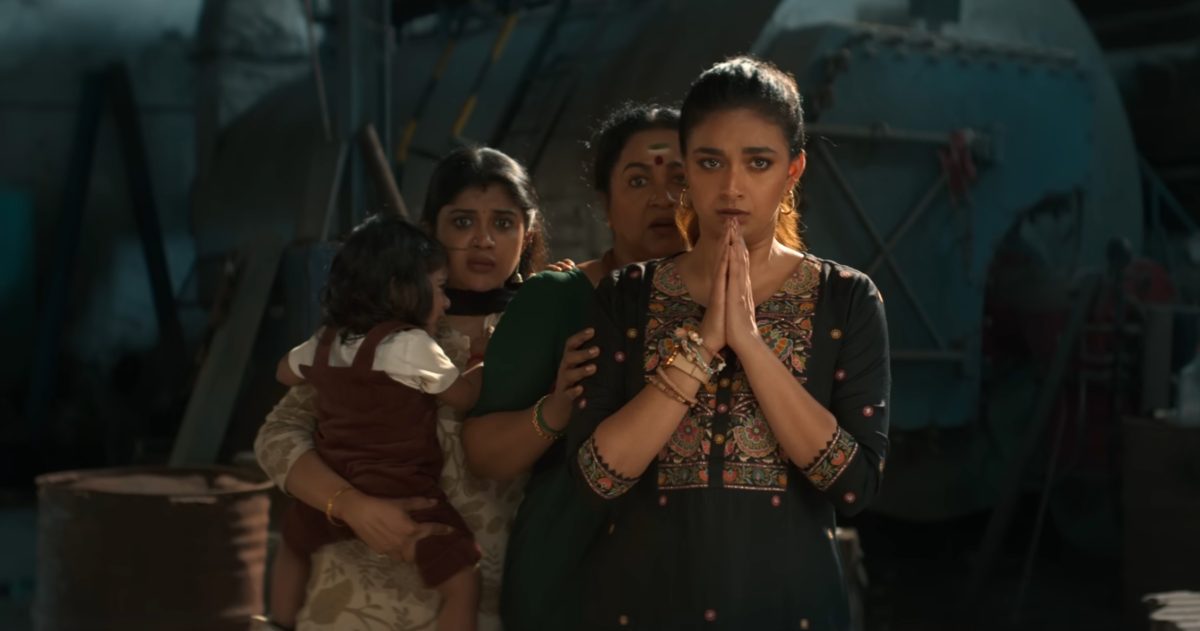
Revolver Rita (2025) Movie Ending Explained:
Why Does Rita Kill Jayabal Reddy at the End?
The final revelation reframes the entire film. Jayabal Reddy isn’t just a vengeful brother or a crime financier. He is the man who destroyed Rita’s family. Seeing his photograph earlier allowed Rita to recognize the face she’s been waiting for since childhood. Everything that followed was alignment. Rita nudged Babu into murder. She guided Bobby into killing Kamaraj and let Reddy and Bobby’s men destroy each other. When Reddy finally stands alone, thanking her, Rita pulls the trigger herself.
This time, she doesn’t outsource justice. This death belongs to her. Rita leaves with ₹5 crore. But the money isn’t the victory; control is. She outlives gangsters, cops, pimps, and power brokers by understanding their weaknesses. Rita never pretends to be morally pure. She just refuses to be powerless.
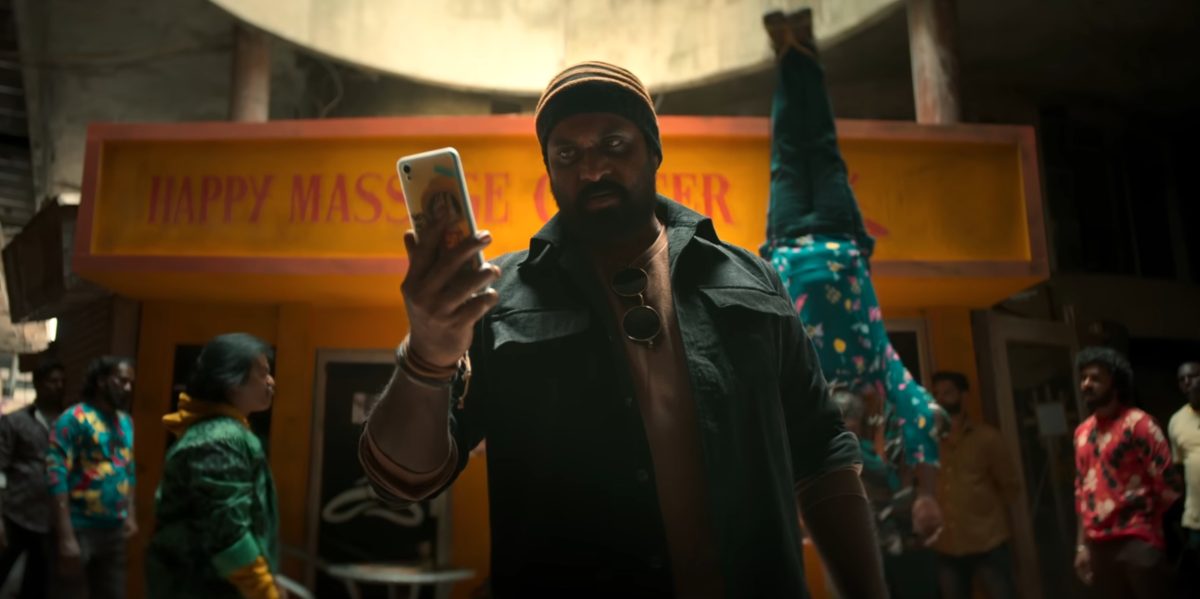
Cheetta’s final declaration that he will claim the donship of Puducherry underscores the cycle continuing. The city will always have another gangster. What it didn’t expect was Rita. “Revolver Rita” isn’t about a woman who snaps. It’s about a woman who waits. Violence happens around her constantly, but her real weapon is patience. By the time the gun fires, the ending has already been decided.