
Although American cinema has come a long way in finding a more sensitive, realistic way to depict coming-of-age stories, there have yet to be many definitive depictions of bullying. The notion of the muscle-bound, jeering bully may have been common in many ‘80s coming-of-age films. But it’s an archetype that feels completely regressive when considering the more realistic examinations of adolescent culture in the years since.
“The Plague” doesn’t just get to the root of bullying, but explores the cruel, indelible ways in which children can torment each other at the earliest stages of their lives. It’s also a deafening, visceral experience that encapsulates what it’s like to be a confused young person at the precipice of change.
“The Plague” is set in the summer of 2003, when the 12-year-old boy, Ben (Everett Blunck), attends a water polo training camp alongside other kids his age. The rigorous, sleepaway program is run by the strict Coach Waggs (Joel Edgerton), who is nonetheless sensitive to the family issues that Ben has at home.
Ben may not know any of the other camp attendees, but he’s quick to realize that the sharp-witted Jake (Kayo Martin) is the most popular attendee and needs to be respected if he wants any social stamina. He also discovers the toxic reputation surrounding Eli (Kenny Rasmussen), a presumably autistic kid who has no other friends. While Ben doesn’t understand why Eli has been ostracized, he’s informed that the unusual boy has been infected with something called “The Plague.”
Of course, “The Plague” itself is the type of mean-spirited social curse that is common among adolescents, as it’s used as a way for the other kids to identify someone they want to subject to intense harassment. The other camp attendees don’t fear Eli as he is dehumanized, as none of the other boys would risk touching him out of fear of “catching” a case of “the Plague.”
Ben is a fairly sensitive kid who knows he’s on thin ice after Jake makes fun of his speech patterns, but he also doesn’t want to be cruel to Eli. The crisis comes when Ben is no longer allowed to be neutral. Following the pack would mean that he’d be complacent, but standing up for Eli could lead him to face his own torment.
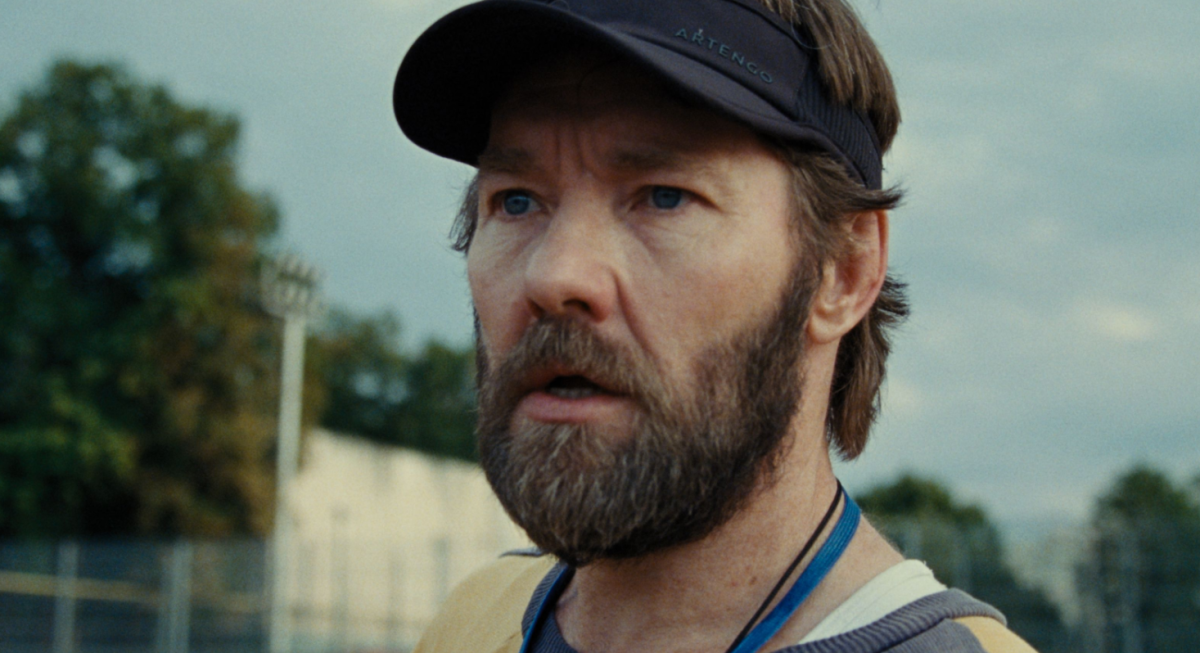
“The Plague” stews in the awkwardness of an energetic, unencumbered environment in which the adolescent characters are left to their own devices. Although Waggs is much wiser to their patterns of behavior than most adults in his position would be, he does not have the authority or the means to watch over them constantly. Writer/director Charlie Polinger, in what is an extraordinary debut feature, clues viewers to the practices and patterns that have become commonplace within the camp. Ben begins to realize that being silent and unreactive may not be enough to survive, as he could be singled out for derision at any moment.
Also Read: Paul Thomas Anderson’s Psychological Prowess through the Lens of his Most Problematic Picture
“The Plague” masterfully cuts through the common anti-bullying rhetoric aimed at adolescents by pointing out how ineffective it is at curbing inherent tendencies. No amount of stern talks or punishment drills will prevent the boys from laughing at each other’s sensitivities, and there’s nothing worse than being shamed in public. At one point, Waggs implores his students to put themselves in Eli’s shoes and consider what it would be like to see the world from his perspective. What’s telling isn’t that they ignore Waggs’ advice, but that the idea of showing empathy to someone they’ve cast aside has never occurred to them.
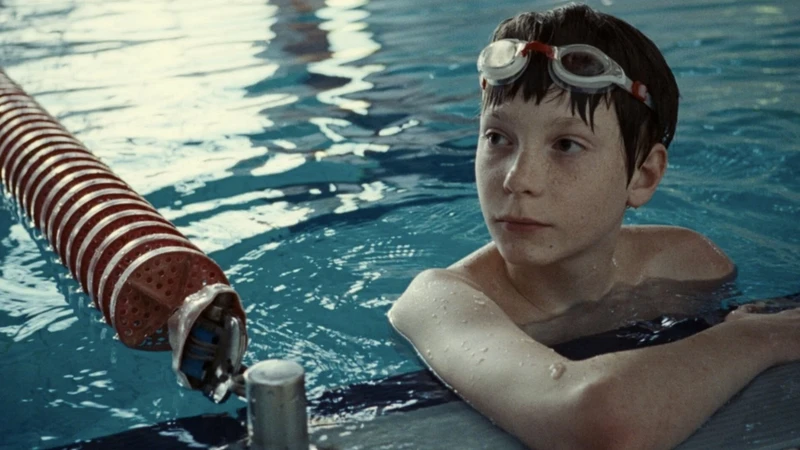
“The Plague” hints at elements of horror through a heightened score and deliberate emphasis on sound cues, which perfectly embody the larger-than-life feelings that young boys are prone to. It’s a powerful way to characterize Ben, who has intentionally hidden some of his personal struggles in fear of being made fun of.
Blunck’s performance is remarkable because Ben’s softness has made it challenging for him to accept indignities. Ben is keen enough to know that he’s not in a fair situation, and it’s a challenge for him to feign sharing the brash, inconsiderate attitudes of his classmates. Blunck’s performance is so mannered, in a way that’s unusual for such a young actor, that a climactic moment in which Ben breaks down hits like an emotional ton of bricks.
Rasmussen’s performance is equally impressive, given the ambiguities surrounding Eli’s diagnosis and the challenges he faces in expressing emotions. While there are instances in which Eli’s willingness to go against the grain seems almost defiant, he’s also oblivious to mockery in a way that’s simply tragic. However, it may be Martin who gives the best performance in the film, as Jake is a character whose magnetic ability to manipulate a crowd makes him impossible to curb.
Any instance in which he’s cornered, Jake is able to turn the tables around to paint himself as reasonable, a staggering skill when the other kids are so ruthless. A lesser film would’ve pointed to more clear motivations for the character, but “The Plague” features a truly subtle, “blink-and-you’ll-miss-it” clue as to what Jake might be keeping under wraps. Although “The Plague” is too small a film ever to be considered in mainstream awards shows, there’s no doubt that Martin should be considered for any Best Supporting Actor prizes.
“The Plague” presents its suspenseful vignettes in a way that builds tension and closes Ben’s options, culminating in a final set piece that is simply horrifying. While some components of the story are slightly undercooked, such as the boys’ fascination with the girls at the same facility, it’s remarkable how deep “The Plague” goes without ever taking the easy way out. Few films in 2025 are as psychologically nauseating or genuinely depressing as “The Plague,” but its commitment to depicting uncomfortable truths is exactly what makes it so essential.







![Honeyland [2019]: ‘Sundance’ Review – An Exceptional and Unembellished Tale of a Woman’s Connection with Nature](https://www.highonfilms.com/wp-content/uploads/2019/06/Honeyland-high-on-films-768x513.jpg)
![Subject [2022]: ‘Tribeca’ Review – A metatextual commentary on consent](https://www.highonfilms.com/wp-content/uploads/2022/06/Subject-Tribeca-Movie-Review-2-768x432.png)