Łukasz Ronduda’s “Tell Me What You Feel” approaches modern relationships with a rightfully flinty gaze, prising through private anxieties and unresolved emotion encased within. The opening is a deceptive swirl of lavish, enthralling passion. Hailing from the rural countryside, Patryk (Jan Sałasiński) just about scrapes a living in Warsaw, doing a few odd gigs and sharing a flat. He walks around the city, pushing his luck to have his art sold. But he’s constantly rebuffed. When he chances across Maria (Izabella Dudziak), an art therapy project lead, he’s instantly arrested. She guides people to drop tears into vials and pays them.
Ronduda demonstrates a gift for drawing intimacy and all that it contains and struggles to surpass. Intimacy becomes a roadmap, each striated movement of the lovers’ bodies a clue to what they attempt to transcend. Maria’s art therapy project rises off the melancholy of the less privileged. She projects a siphoning of their agony, pouring it into curios designed to intrigue. She’s redirected this into her personal life and close circles as well. Maria is well-heeled, but has fled home from the grasp of a schizophrenic father.
The first interaction with Maria’s friends is a disconcerting experience for Patryk. A game where two people swap clothes and represent each other initially sends him scampering away. It’s an anxiety-pounding invitation, threatening to poke him out of his carefully constructed shell. There’s a lot he has repressed.
Nevertheless, he suggests to Maria that they pick up the game at his place, where they slip into each other’s clothes. Soon, the needling into one another’s hidden selves swings a tad too revealing and abrasive. Is either of them ready for the degree this game can actually plumb?
To embrace this exercise is to cast off all guard, reflect, and re-examine, no matter the toll it inflicts. Patryk’s nurses’ despair spilled over from his childhood. With his twin sister dying, his mother railed at him, wishing it were him who got snipped. The hurt has trailed Patryk for as long as possible, shading every exchange. Maria nudges him to open up, talk it out. But it’s so entrenched, mired along with his family, his parents’ closure is as vital.
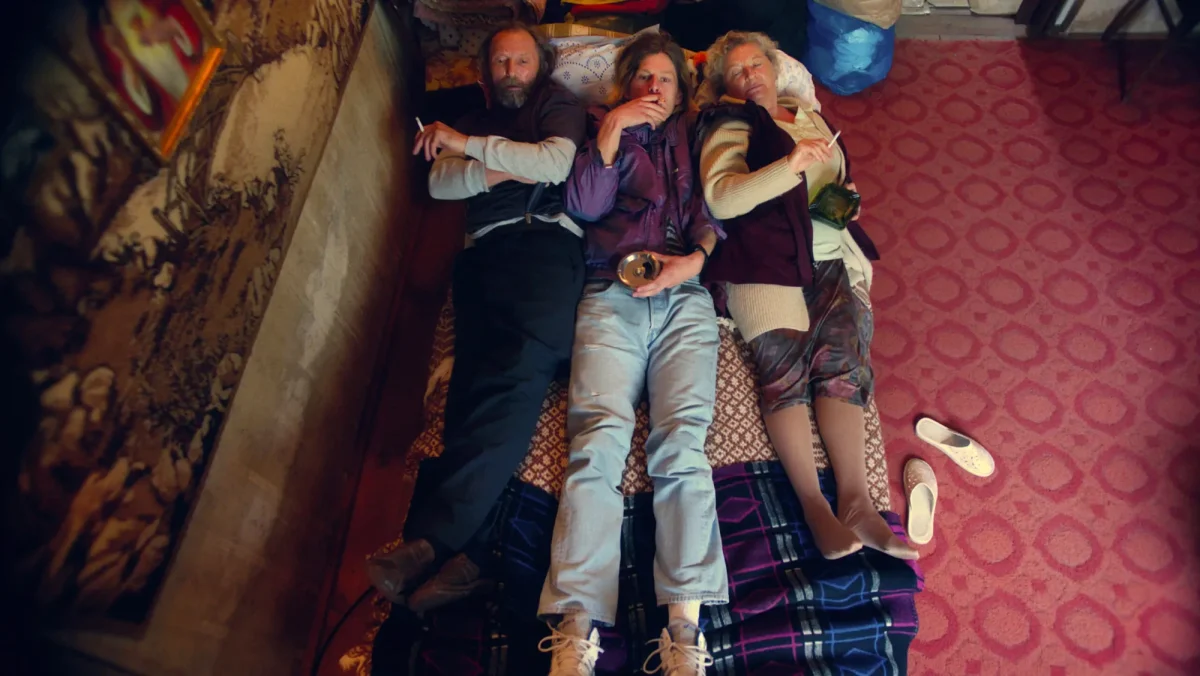
Ronduda makes his characters glide with fervour for the future whilst being strapped firmly to their past. Each heave and jostle against their roots creates greater churn. Their background, accrued trauma, is inescapable, which is what Maria insists on working through. As committed as she is to art’s therapeutic valence, he’s not so sure. Yet, she braids him into believing. Their relationship isn’t without folly. Pinched with idealism that slowly splinters, their class differences seem to cut in, even as Maria reiterates they can forge a life beyond such chasms. For a brief spell, there’s bliss. The couple finds vestiges of escape and joy.
The journey they embark on is naturally fraught. Several tough reckonings and impending confrontations are forced into the present. What Patryk runs away from is thrust into the forefront. How far can self-exorcism truly lift and render one’s painful baggage? Patryk tends to be reserved, certain his traumas are insurmountable. Jan Sałasiński is astonishing, hurling himself into the most vulnerable pits. He allows himself to be porous, terrified, awkward, and rassling to have a foothold.
Patryk wants a spot for his art to be shown in exhibitions. But he also wants to make art that’s easily palpable for his parents, in which they can find a mirror and vent. As relatable to anyone pursuing a big break, craving to be noticed by curators and taste-makers, his flailing tentativeness at asserting his position, the deeply personal charge in his art, register acutely. The couple battles shame and rejection long sunken in. Can they move beyond and get a grip on themselves?
“Tell Me What You Feel” delineates their tumbling, conflicting journey with the heat of ardour and unnerving candour. It plunges into the total rush and slam of their innermost feelings, gouging those out into clear view. Sałasiński is so piercing that he holds the entire film, even as it simply floats through abstractions. It’s an immersive performance wholly attuned with what the director is keen on unlocking. Behind the flickering demeanour, we glimpse the thrashing turmoil he puts himself under.
There’s no holding back, rather a glaring, microscopic gaze cast right into what one dresses up, conceals, and stows away. Beneath the playful mien of the film, there’s a daring to investigate and cull out everything locked within. Digging those out can be a harrowing, exposing trial, which one might simply ward away. Ronduda looks right into what bodies bear, the history of stress, without ever falsely brightening the horizon. This arresting film is brave enough to wade into what love cannot step over.



![The Looming Storm [2018]: ‘NYAFF’ Review](https://www.highonfilms.com/wp-content/uploads/2018/07/THE_LOOMING_STORM_HOF-768x512.jpg)