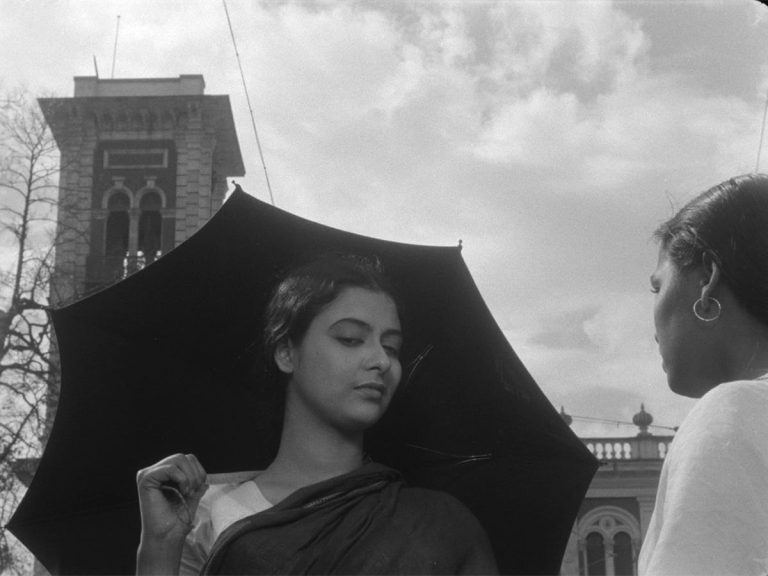
Zombies are not new to cinema. They have been around for decades, working within the structure of conventional horror narratives. Their insatiable hunger for human flesh made them perfect as deplorable villains who would inflict pain and be the inevitable agents of dread and terror. George A. Romero’s “Night of the Living Dead” exemplified this through stylistic details that set its peculiar tone. Decades later, Meera Menon’s “Didn’t Die” attempts something similar, but feels vastly different from what Romero achieved with his film. Those changes also reveal a gradual cultural shift that goes beyond the easily recognisable differences in technology and manner of speech.
Some would say that it’s bound to happen since we’re talking about a film from the 1960s and placing it against one from nearly six decades later. Yet, a similar shift can be noticed between Menon’s film and the zombie-centered projects from the 2000s. Back then, these ghastly creatures experienced almost a revival of sorts in cinema, reflecting the contemporary ethos.
Although partially similar, they often feel poles apart from what Romero brought to life (no pun intended) through his work. Take the 2004 film, “Dawn of the Dead” as an example. It reinvisions Romero’s 1978 film of the same name through the eyes of a duo of now well-known filmmakers: Zack Snyder and James Gunn.
In what served as Snyder’s directorial debut, the film offered a mix of his maximalist sensibilities and Gunn’s brand of humanist storytelling and organic humor, filled with exciting needle drops. So, you get your usual adrenaline-inducing action that builds tension on a grander scale, but you also get those pockets of grounded emotion where characters reflect on their miserable state. It isn’t a relentless ride through a hellscape, unlike a majority of zombie apocalypse projects (whether films or shows) since then that focus solely on a display of blood-soaked violence.
There’s still violence and bloodshed in the 2004 remake that the characters can’t escape, but Gunn’s script shows it through a personal lens. So, as we see a group fighting the odds, we also see an overworked hospital nurse forced to switch from one excruciating routine to another. We see a couple trying to protect their unborn child, a police officer keeping his cards close to his chest, and an ordinary salesman emerging as an unlikely savior. Through those stories, the film shows everyone trying to find a balance between who they were and who they can be for the group.
While a typical entertainer otherwise, a point in its second half places them in an innately human dilemma. It’s when the group decides to leave the temporary safety and comforts of the shopping mall for an unpredictable journey to a future when their lives won’t be plagued by a constant threat of death.
That reveals a hope about a future beyond the immediate reality, despite the possibility that they might die on their way there. Unlike that, the characters in “Night of the Living Dead” are shown worried about their present circumstances. For them, saving themselves from this absurd crisis for the time being is of grave importance. So, the future doesn’t even come into question.
The characters never speak about their future and what it may hold, or even their past and what it entails. We learn the bare minimum about its characters, their professional backgrounds, or their interpersonal relationship. In fact, Duane Jones’s lead character, Ben, is left to the aid he can offer in this situation. Romero had reportedly mentioned that Jones’s casting was due to his giving the best audition for the role.
Yet, you can’t help but notice it from the lens of race relations in the US, which made his casting unorthodox at the time. So, whether implied or not, Ben’s relationship with other characters subtly reveals how societal hierarchies function, no matter what part of the world. Ben represents a class that is humanely treated only if its people are deemed valuable and serve a purpose. Your existence alone doesn’t guarantee you a humanitarian grace.
Going back to the last point, everything we witness in this film is through the lens of here and now. Characters seek a fighting chance of survival in the present, and their conversations reflect the same. They are not sure whether they will survive to see another day or not. So, they live with a sense of urgency, while being locked in a room close to their persistent threat. That isn’t the case with the family in “Didn’t Die,” who live a far quieter life than one might expect for survivors of a zombie apocalypse. They don’t seem consumed by dread as the characters from Romero’s film, and it seems baked into the film’s style.
Also Read: 15 Great Zombie Movies That You Need To See
Romero’s film feels like a manifestation of dread because he paints it with heightened dramatic strokes. Every interaction in his film feels intense, and every choice of composition, camera placement, and light feels immaculately crafted to maintain that emotion. There’s no escaping when you are barely aware of what you’re getting into, and the anatomy ensures it conveys that without interruption. Unlike that, Menon’s film seems closer to a naturalistic depiction of life, which inevitably makes it feel uneventful and gloomy. It feels closer to the kind of life a lot of us experienced during the pandemic, isolated and distant, without knowing what the future holds.
After a point, monotony becomes a part of their lives and peril lurks only at a distance. In that world, the protagonist’s casual podcast replaces the television broadcast from Romero’s film. So, instead of news revealing only the factual details about the scientific findings about the radiation, people hear bite-sized, life-affirming quotes that have been repeated countless times across self-help books and social media.
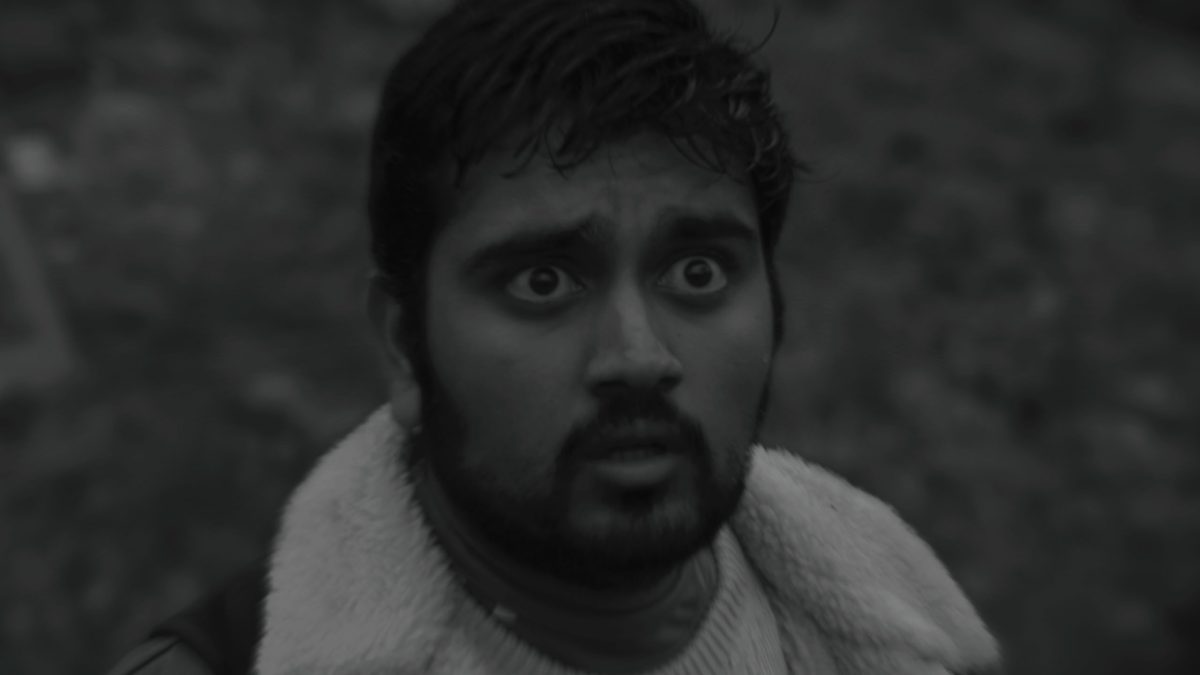
Snappy humor about the lack of sexually attractive people (among other things) frequently replaces the unnerving tension as the survivors decide the best course of action. In Menon’s film, people seem far more prepared than before, given the passage of time since the outbreak. That’s why tension breaks out only in flashes, often awkwardly intersecting the routines they have established in their new reality.
Violence is almost non-existent in the film, since people seem to want to hold on to their comfort instead of inviting threat into their lives, even in the form of unknown guests. That’s why it feels like a slice of drama with a gloomy undercurrent rather than a life lived on the edge, as one would expect a project about a world with zombies. Apart from that, Menon uses the past to evoke nostalgia and offer a modest contemplation on loss through their collective memories. For a few moments, the past also appears undone through the undead, where the possibility of a reunion is tainted by the inescapable truth of their family’s reformed existence.
Between Romero and Menon’s films, violence became central in such stories, where human characters were often reduced to their survival instincts through movies that use them as stand-in heroes without a recognizable human trait. It’s like their only purpose is their ability to kill the zombies. Besides that, whatever’s left of their life is an external reflection of cliches of heroic responsibility. There’s less grounded drama, analyzing their crumbling mental state, and more bloodlust and revenge porn with guns and bullets.
Danny Boyle’s “28 Days Later” is a rare exception to this, and so are its sequels. Boyle’s camcorder footage with eerie, contemporary soundtracks yielded an aesthetic result unlike Romero’s elaborate play of lights and shadows and disorienting dutch-angle shots. Yet, they captured a similarly unnerving mix of frustration and fatigue with an added layer of Britain’s contemporary politics.
The paranoia in Romero’s film ends with the death of an innocent human by the very institutions that were supposed to protect him. In Boyle’s film, it ends with the survivors trying to make contact with the institutional forces despite being betrayed by some of them about a month before. Menon’s film replaces paranoia with tension that breaks out only after a long passage of calm. Yet, despite their differences, the reality of the contemporary world seemingly creeps into its fictional, elevated version of the world in every project.