April 5th marks the centenary of Roger Corman (1926-2024), the “King of the Drive-In” who played such a major role in shaping American cinema in the latter half of the 20th century. To celebrate, Turner Classic Movies will be dedicating the entire month of April to both Corman and the many talents he nurtured throughout his career.
Even if you don’t have the channel, you can still join in the festivities by watching them on physical media or a variety of streaming services. The following is strictly a subjective list of some of the finest films he made, of course, and no doubt many others will have completely different compilations of their favorite Corman directorial efforts, but it is hoped that this survey will at least demonstrate the breadth and versatility of his work as a filmmaker.
1. Attack Of The Crab Monsters (1957)
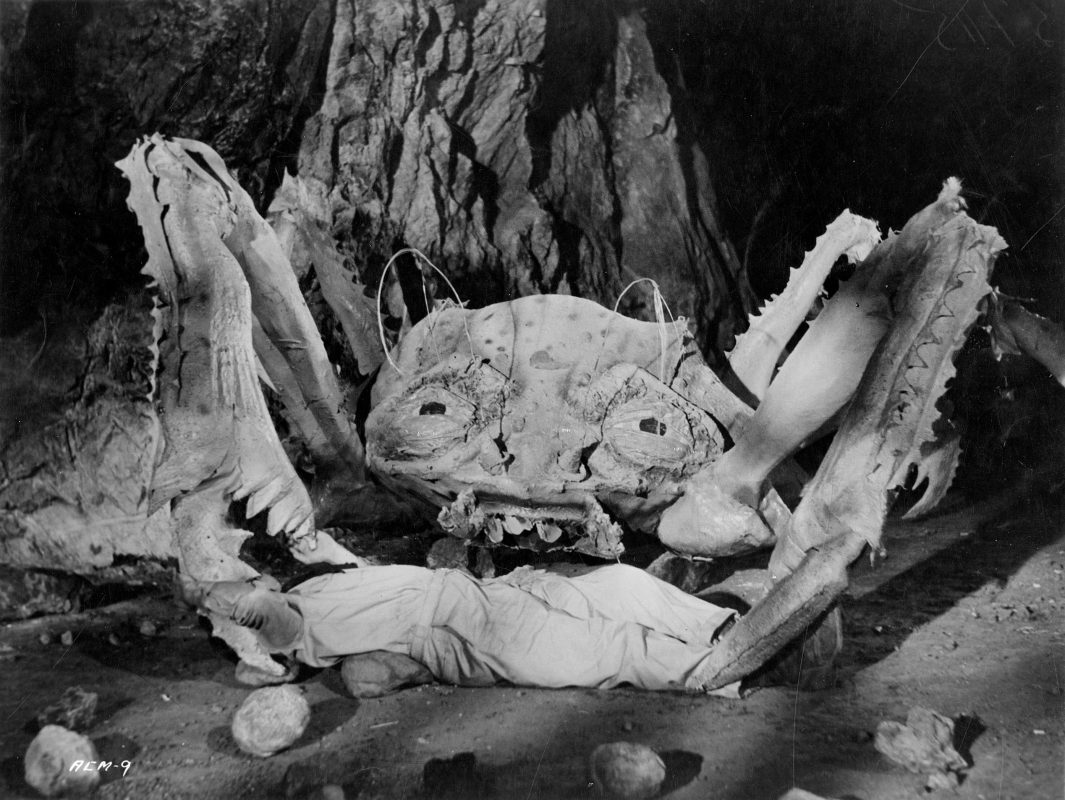
We commence our list with Corman’s entry into the giant arthropod sweepstakes of the Fifties, and instead of the usual insects or arachnids, he decided to exploit the fearsome potential of their crustacean cousins. On the surface, it may sound silly, like one of those later made-for-TV sea monster movies (some produced by Corman himself) that have glutted cable channels, yet it somehow manages to work quite well as both science fiction and horror.
Unlike those deliberately campy films, Corman and his screenwriter Charles B. Griffith took the premise seriously and developed it to its logical conclusion, adding a few more thoughtful touches to raise the titular creatures beyond the usual giant monster menaces. The result is a surprisingly entertaining thriller that makes effective use of sound and silence alike to generate suspense and create a mood of genuine disquiet. Fans of “A Quiet Place” should particularly enjoy it, and like so many of Corman’s films, it deserves far better than the camp reputation that it’s been unfairly stamped with.
2. Not Of This Earth (1957)
As a Fifties science fiction film fanatic, I could have just filled this entire list with Corman’s genre films of the period, but to be fair, I had to limit myself to just one more in order to stay as comprehensive as possible. It ultimately came down to either this film or “It Conquered the World,” and although my heart is with the latter, it has unfortunately remained tangled in a rights imbroglio that has left it unavailable on either streaming or physical media.
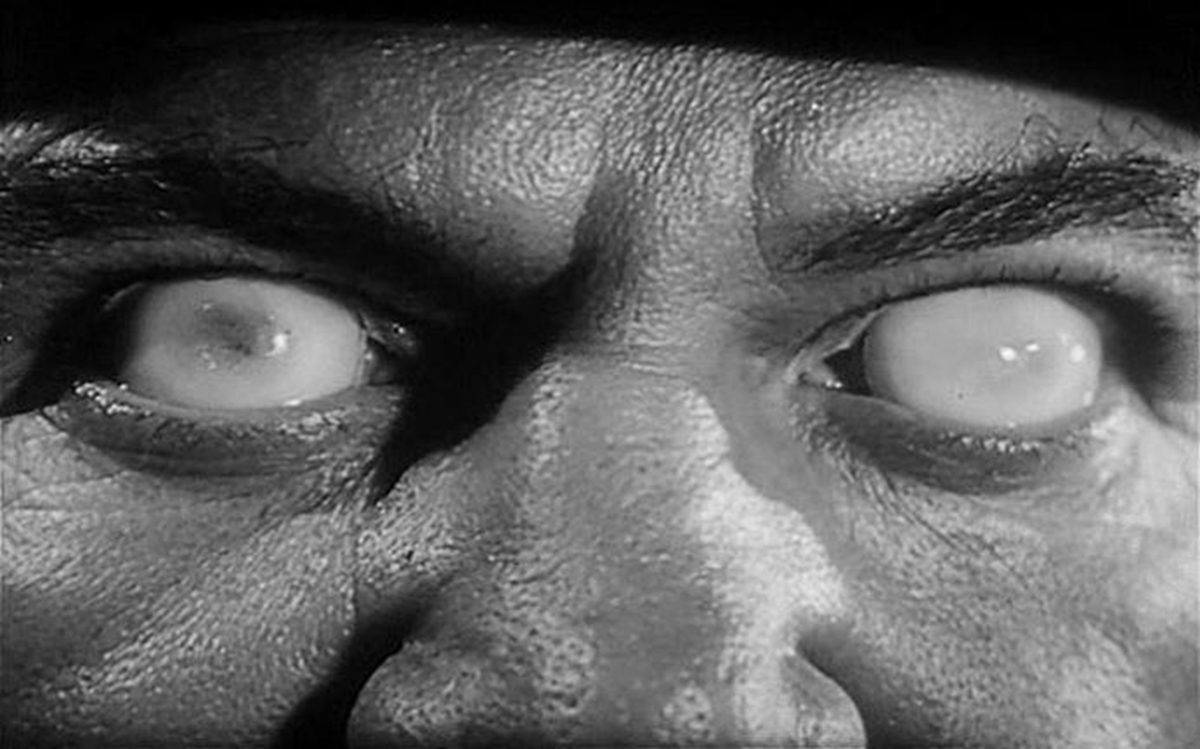
Weep not, for the readily-available “Not of This Earth” is an excellent film in its own right, fusing the urban grittiness of a Sam Fuller or Phil Karlson movie upon a pulp science fiction framework. It intelligently provides an extraterrestrial explanation for the vampire legend and manages to generate a surprising amount of sympathy for its blank-eyed villain (Paul Birch), a moral complexity missing in most other alien-invasion films of the era.
It also gives Beverly Garland, the finest leading lady in 50s science fiction (rivaled only by Gloria Talbott, although my heart will always be with Mara Corday), one of her best movie roles. She’s terrific as the nurse who learns the truth about her unusual patient and finds the fate of the world resting on her shoulders.
3. Machine Gun Kelly (1958)
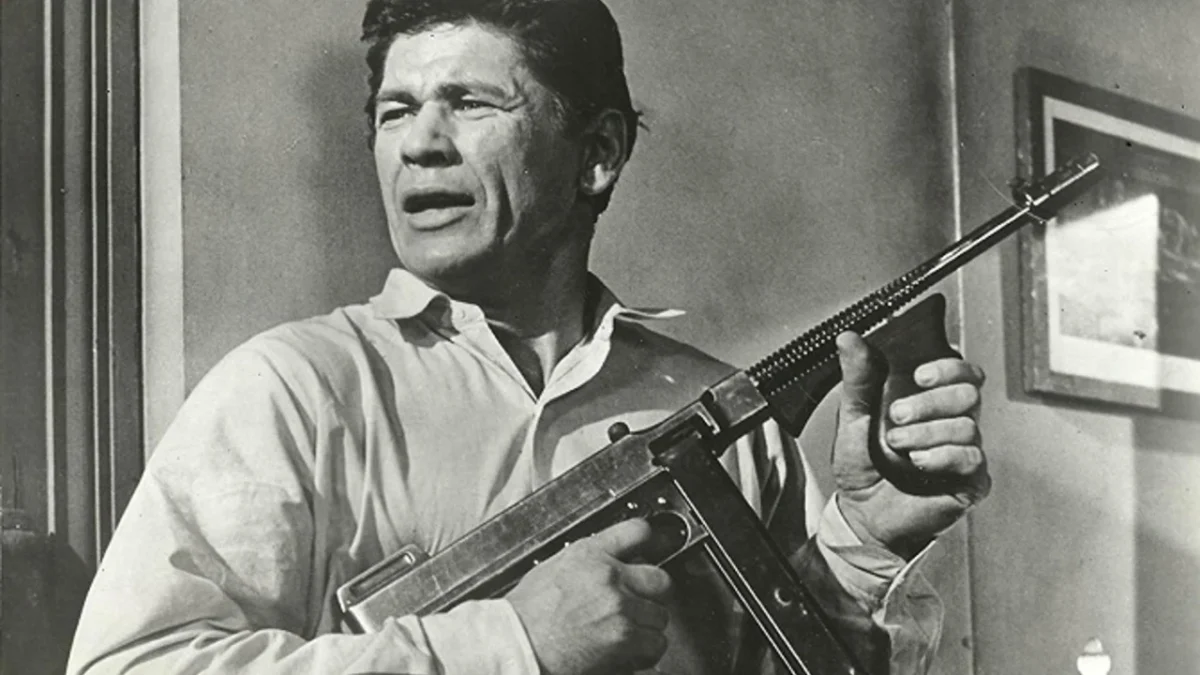
I first need to clarify that I’m actually not a big fan of this tough, violent gangster film. It starts extremely well, but after an exciting opening promising a stylish and offbeat action flick, it settles into the predictable motions of a routine kidnapping melodrama. All the same, it’s one of the most historically important films in the Corman oeuvre.
Not only did it help garner his reputation as a genuine auteur in France and the rest of Europe, but it gave Charles Bronson his first starring role after years of toiling in the character player trenches, and helped to establish the screen persona that would make him an international superstar.
Although much of the film unfortunately seems quite mundane (at least to my eyes), the first twenty minutes as a whole are so skillfully made and involving that you understand why French critics were so impressed. And who knows, maybe you’ll be impressed as well; certainly, a lot of other filmgoers have disagreed with me. For these reasons alone, it’s required viewing.
4. The Little Shop Of Horrors (1960)
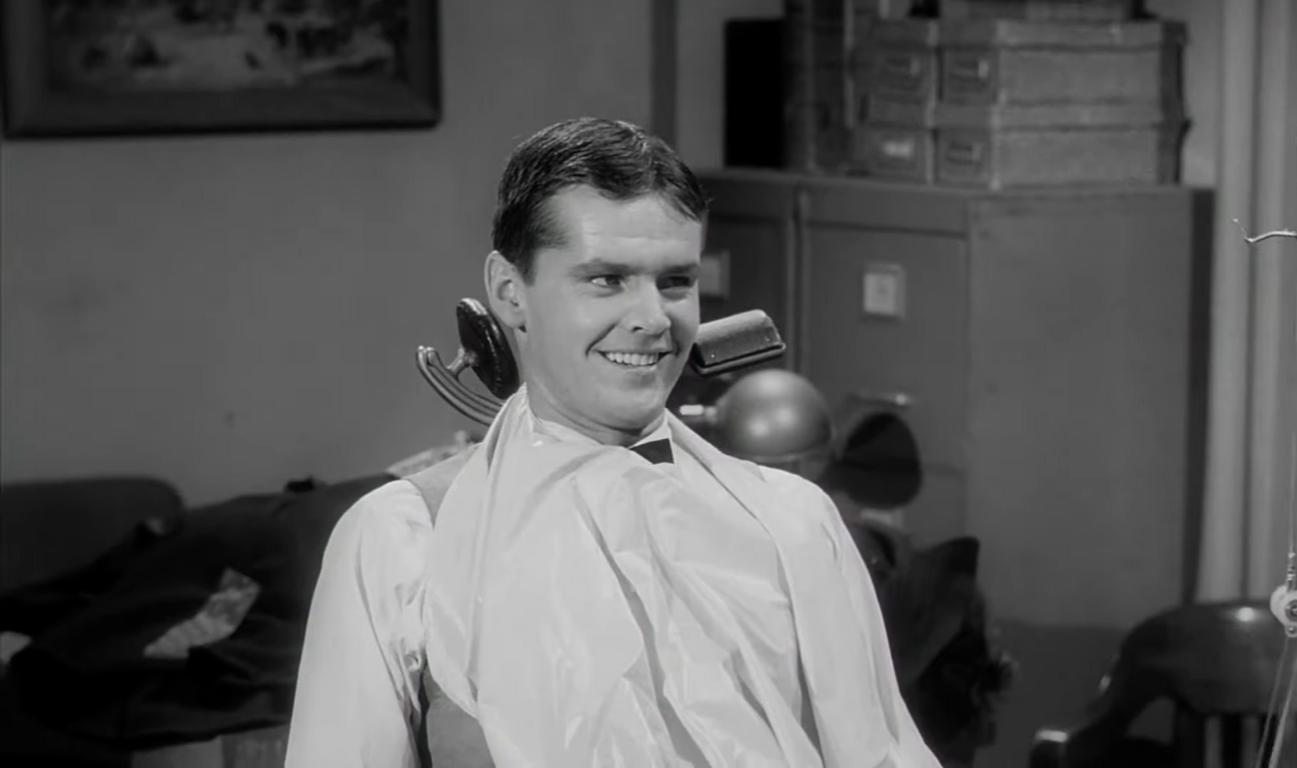
At the end of the Fifties, Corman directed a pair of delightful, low-budget black horror comedies with virtually identical plots that somehow managed to completely evade the pitfalls of bad taste or mean-spiritedness despite the inherent gruesomeness of their premises.
Both “A Bucket of Blood” (1959) and “The Little Shop of Horrors” (1960) have cult followings, but it’s the latter that has passed into classic status, partially due to the legendary (and partially apocryphal) story of its half-a-shoestring budget and two-day shooting schedule. More importantly, it’s quite simply one of the funniest American comedies of the era, regardless of budget.
A plot outline isn’t really necessary, given that it’s familiar to most thanks to the later stage musical and its 1986 film adaptation. That movie features great special effects, delightful songs by Alan Menken and Howard Ashman, and a terrific performance by Rick Moranis (who has the rare gift of perfect comic timing while singing), and yet…it’s not even half as funny as the original. The story is essentially meant for a low-budget interpretation, and it loses a lot of its basic charm when transferred to a multi-million-dollar production. Corman’s film is as scruffy, scuzzy, and thoroughly unkempt as its Skid Row setting, and is just perfect that way.
5. The Intruder (1962)
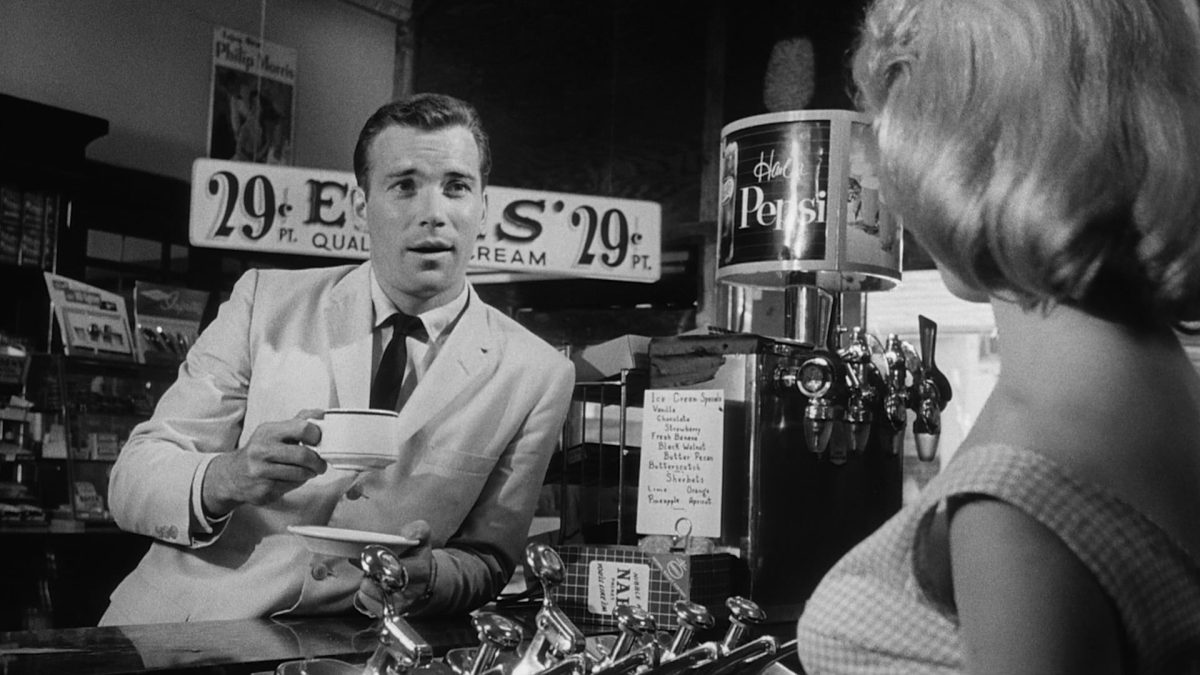
At a time when the civil rights movement was reaching peak attention in the national consciousness and violent reaction towards the drive for integration and equality was stirring widespread outrage, Corman turned towards the serious with this no-punches-pulled attack on the bigotry and demagoguery that was tearing the nation apart.
Anyone who sees the name of William Shatner and watches in hope of campy entertainment will be disappointed, as Shatner is superb as the rabble-rousing villain of the piece, a monster whose existence in this world is all too undeniably real. It was one of the few Corman films to actually lose money in its initial run and surprisingly remains not very widely seen today in spite of its high quality and subject matter. No matter; it’s a truly powerful film, one of the best Corman ever made.
6. The Haunted Palace (1963)
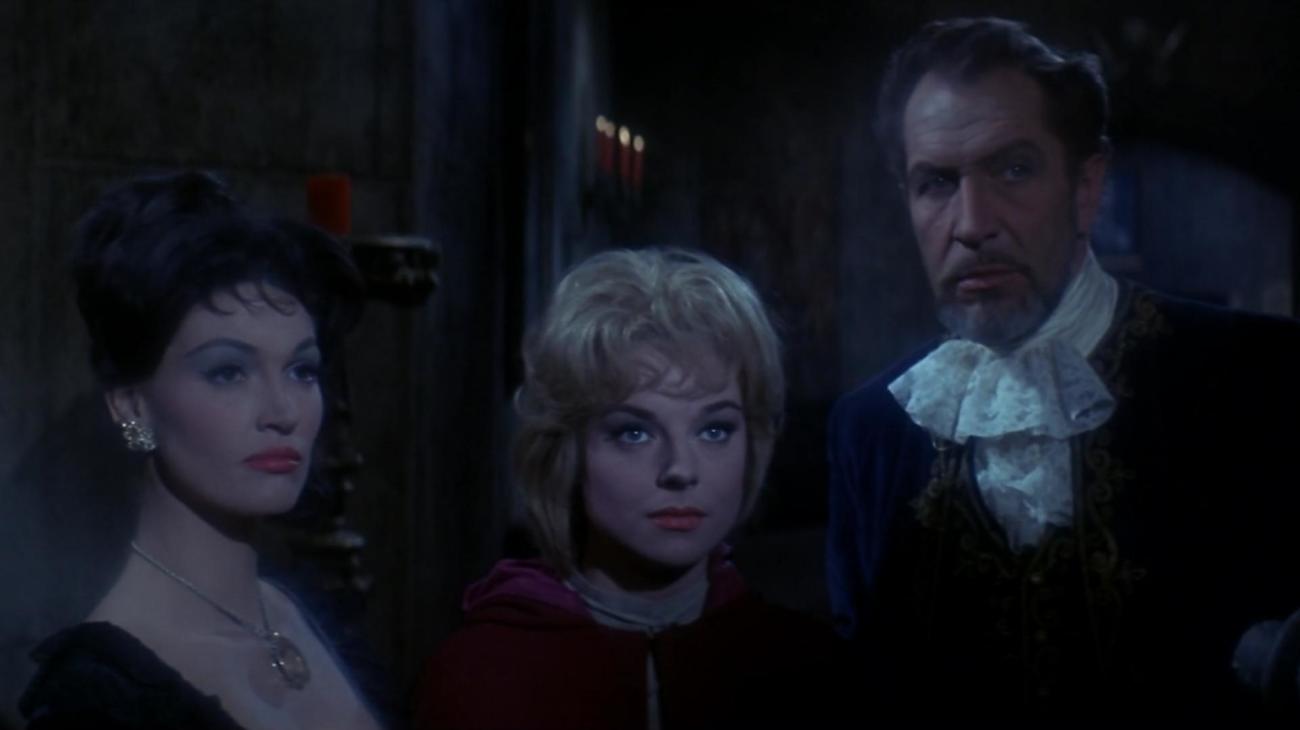
Finally, we arrive at the classic cycle of Edgar Allan Poe adaptations Corman helmed in the Sixties…sort of. Corman’s Poe films usually had little to do with their source material, or out of necessity expanded them so much to be almost unrecognizable. In the case of “The Haunted Palace,” only the title of Poe’s poem was used, and the movie itself is actually a loose adaptation of H.P. Lovecraft’s “The Case of Charles Dexter Ward.”
Fortunately, it’s an excellent film, one of the finest Lovecraft adaptations, and one of the few to truly convey the dark aura of corruption and decay that’s a hallmark of the author’s work. It also features what is probably the single most unnerving moment in Corman’s filmography, when Ward (Vincent Price, of course) and his wife (underrated Debra Paget) find themselves surrounded by the disfigured townsfolk, products of the curse that Ward’s ancestor (also Price) put upon the village. Those who make it a hobby of spotting great character actors will particularly enjoy this one: in addition to horror legends Price and Lon Chaney Jr., the cast includes Elisha Cook Jr., John Dierkes, Milton Parsons, and even a bit part by former B-Western and serial villain I. Stanford Jolley.
7. The Young Racers (1963)
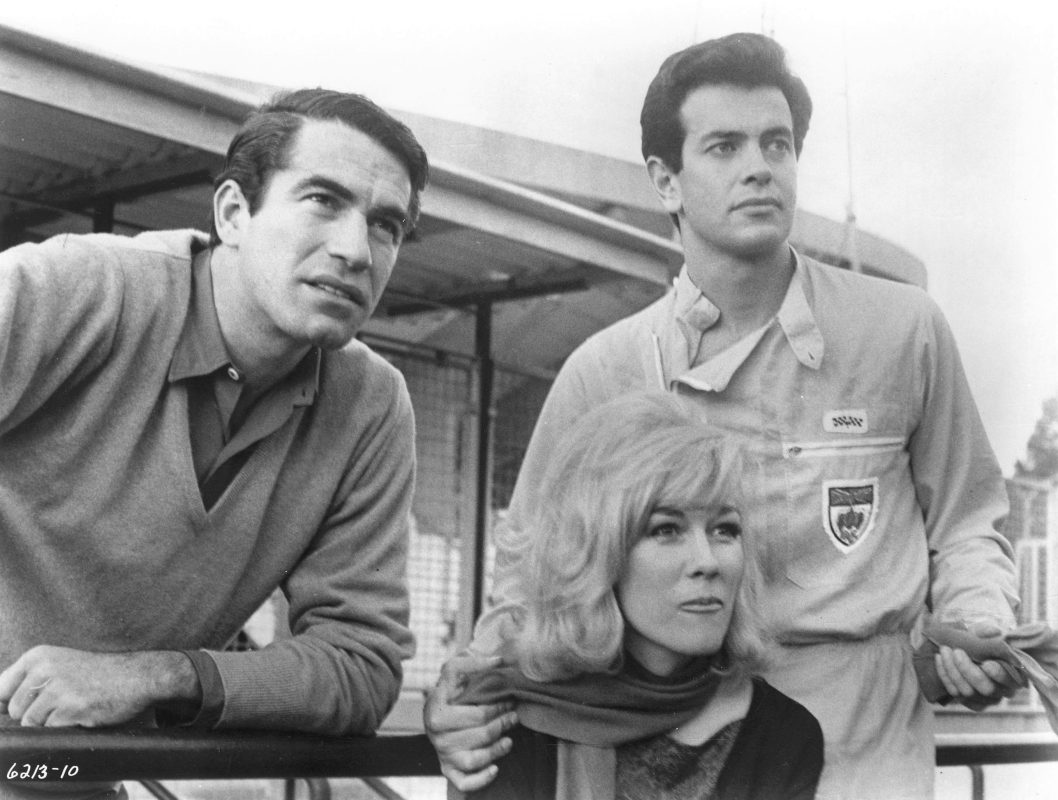
Corman abruptly shifted gears and went to Europe to make this fine auto racing drama, one of his least-seen films and possibly his most underrated. The title might make you think it’s a companion to his 1966 hit “The Wild Angels” (probably his most overrated film and of his few to actually bore me), but instead it’s an honest, non-exploitative look at the relationship between a womanizing champion racer (William Campbell, who looks sort of like Robert Mitchum squished into John Garfield) and his resentful former competitor (future producer Mark Damon).
The latter of whom plans to write a tell-all exposé on the former. Corman wisely keeps things low-key for once, even minimizing the use of a musical score, so that he can focus on these two characters and how they grow and mature over the course of one season. Although some parts veer uncomfortably into the Douglas Sirk category, it’s for the most part a quite compelling and surprising character study, much more interesting than most of the racing dramas of recent years.
8. X-the Man With The X-ray Eyes (1963)
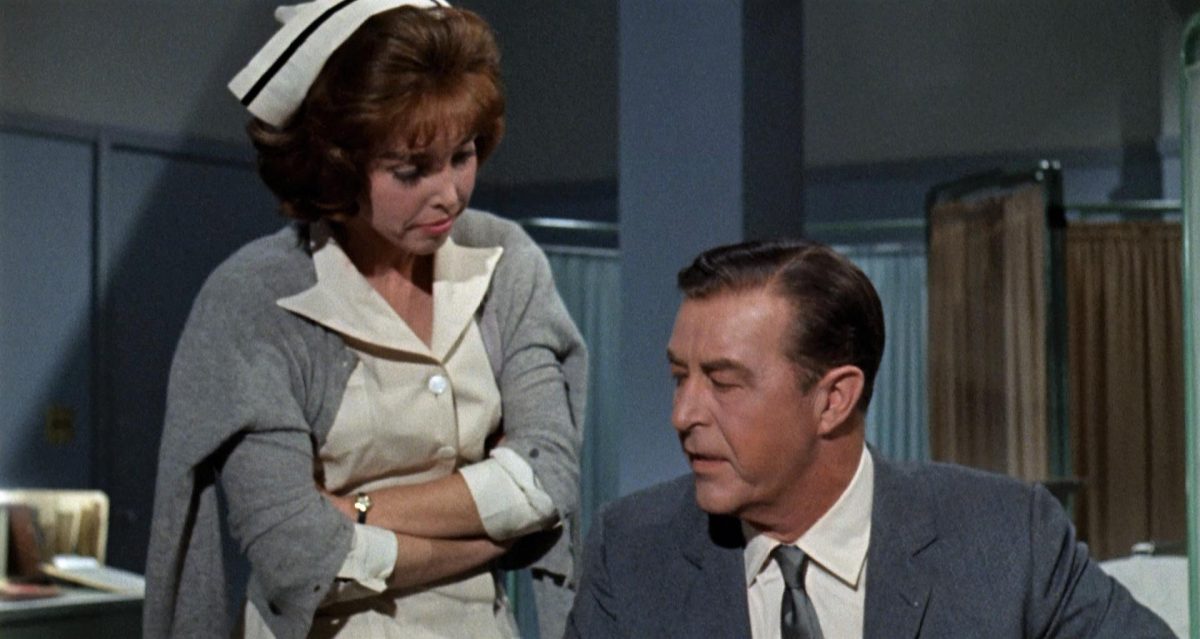
Corman returned to science fiction with his best, most intelligent, and most mature work in the genre, one that many consider his masterpiece. At the very least, it’s his most cerebral film, one made for the eye and mind alike, with philosophical depths that were left largely unsaid from his earlier genre efforts. This story of a medical researcher who experiments on himself in the goal of expanding human vision is, on one level, a throwback to mad-doctor films of old, but it’s also one of the first American science fiction films to explore the “Inner Space” of the human mind and perceptual ability.
Ray Milland is superb in a role that both pays homage to and inverts his most well-known performance in “The Lost Weekend”. Instead of Milland’s character losing touch with reality, this time his addiction leads him to become all too acutely aware of it. The final shot is genuinely shocking, rivaling that of Corman’s own “Pit and the Pendulum” for horrific impact.
9. The Masque Of The Red Death (1964)
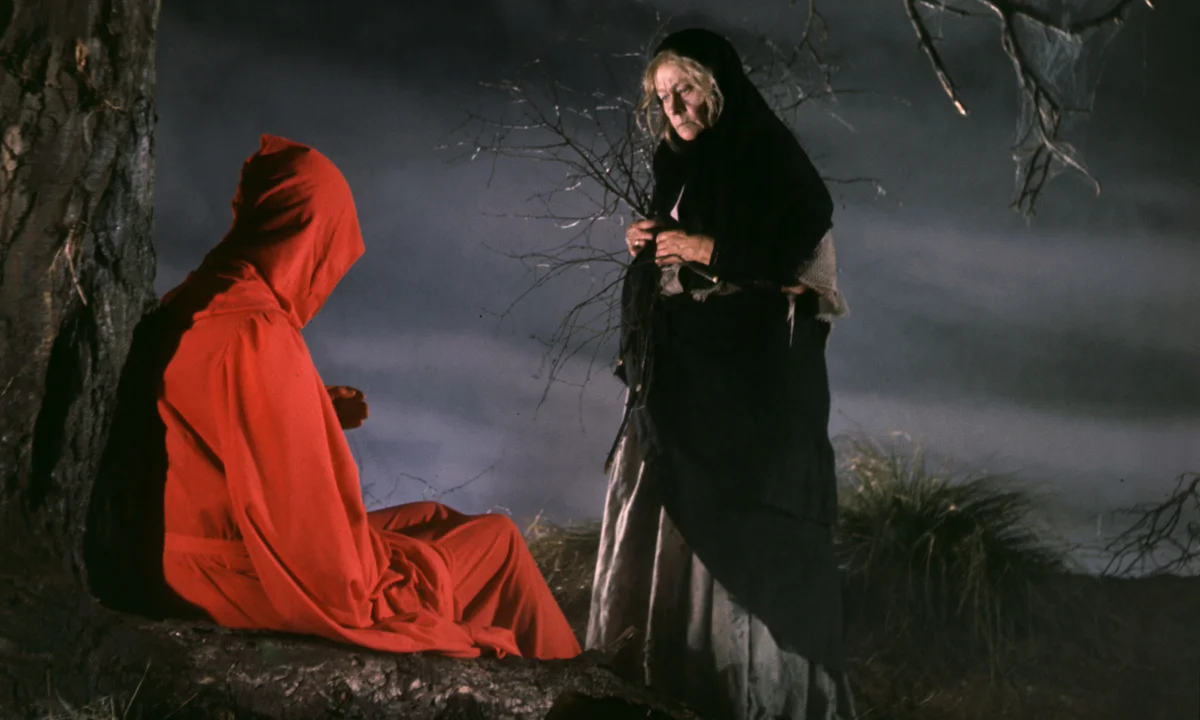
One of Corman’s most admirable traits was that he eschewed cinematic snobbery of any kind. He happily made films in genres that were considered “disreputable” in their day, but at the same time, he discouraged the equally close-minded attitude of avoiding “prestigious” or “art-house” films just because they were embraced by elite critics or mainstream audiences.
Nowhere is this positive attitude more evident than in “Masque of the Red Death,” the best of his Poe films and, in the view of many, his best film overall. Despite being loose adaptations, Corman’s Poe films still captured the poetry and mood of their source material, and for the penultimate entry in the series, Corman added a new European art film influence.
“Masque of the Red Death” is obviously deeply influenced by Ingmar Bergman’s “The Seventh Seal,” in both story and theme, but instead of that film’s stark black and white look, Corman and cinematographer Nicholas Roeg attempted an Expressionist use of color inspired directly by the original Poe story. Red, yellow, blue, black, and even purple are all put to good use to convey the inner moods of characters and the various levels of evil and corruption permeating this landscape.
The film also attempts similar theological conversations, anticipating “The Wicker Man” by making the argument that both Christianity and Satanism, Good and Evil alike, are impotent in the Face of Death. Vincent Price’s performance as Prospero, meanwhile, anticipates his later characterization in Michael Reeve’s “The Conqueror Worm”; there is little of the humor or hammy flourishes of his earlier Poe roles, never letting us forget-or enjoy-his cruelty and depravity.
10. The Trip (1967)
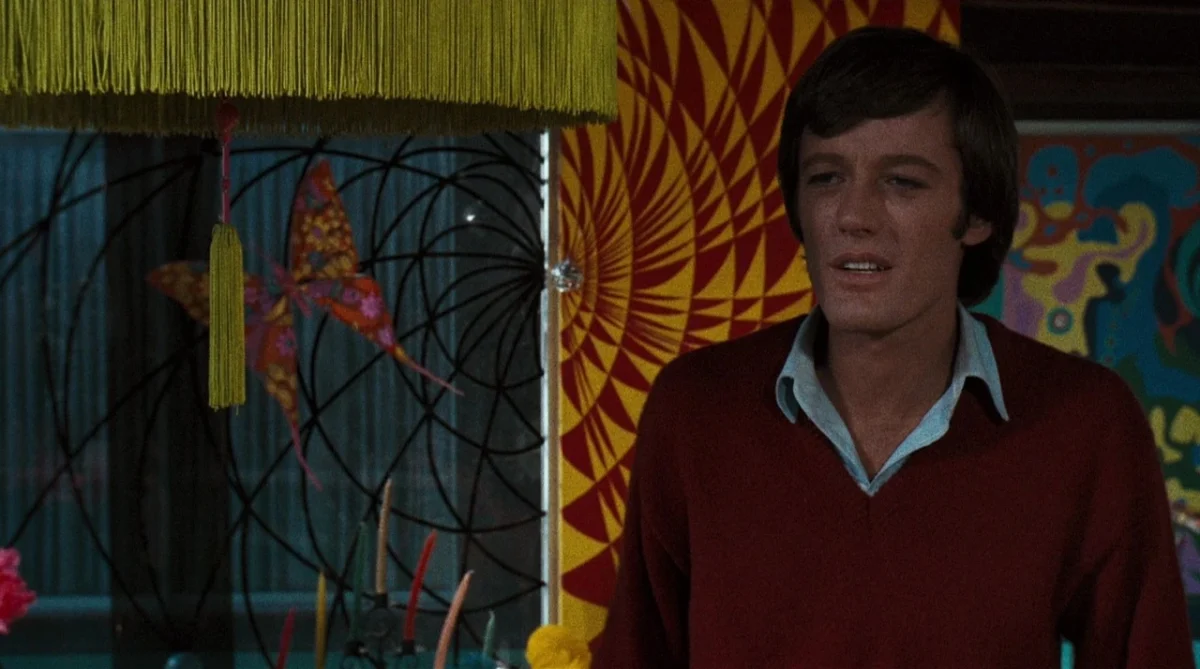
If “Masque of the Red Death” was Corman’s attempt at a Bergman homage, then this, far and away the best of the psychedelic/drug movies of the era, was his stab at a Fellini film, being more reminiscent of “Juliet of the Spirits” (for which the director also allegedly took LSD before making) than any American film of the period.
Of course, it wouldn’t seem so unique for long. Soon, even major studio productions would be integrating underground film techniques, and not long afterwards, cast members Peter Fonda and Dennis Hopper, along with screenwriter Jack Nicholson (who would wisely later focus most of his energies on working in front of the camera), would inaugurate the “New Hollywood Era” with “Easy Rider.”
Corman himself would direct only a few more movies before founding New World Films, and as Fellini did with “8 ½,” he took the time here to comment on his own life and career situation. Although Nicholson based his screenplay in part on his own anxieties in the wake of the disintegration of his marriage (he and his then-wife Sandra Knight had starred together in “The Terror,” Corman’s most muddled film), it’s impossible not to make the connection between Peter Fonda’s character and Corman himself, a “commercial director” trying to find new directions in art and life alike and creative renewal as a filmmaker (does that make Bruce Dern’s character, Fonda’s “spirit guide” who unsuccessfully tries to keep him rooted in reality, a stand-in for AIP head Sam Arkoff?). And even if you don’t buy that interpretation, you can still enjoy all the groovy visuals.