As Germany is slowly reasserting a place on the international film stage, Sandra Hüller has become one of the most prominent faces of an increasingly cosmopolitan variety of hybridized world cinema. A performer of immense gravity and piercing subtlety, Hüller has crept her way through her native film scene and penetrated a wider Euro-American market with a credible poise and focused ferocity that instantly adds weight to virtually any project lucky enough to score her participation in either a lead or supporting capacity—that is, unless a certain, space-bound smash-hit involves toning down her humanity to such a degree that all life seems to have been sucked from the proceedings altogether…
Selecting Hüller’s best performances thus becomes an equally clear and muddled task, as the actor’s relatively recent breakthrough has mostly been served by a few scattered but well-chosen and properly exposed roles—this may very well change in 2026, as Hüller has no less than four projects slated for release across the year. In selecting her five best performances, that pickier nature proves a gift for a burgeoning and diverse filmography, no doubt with even greater heights to come.
5. Sibyl (2019)
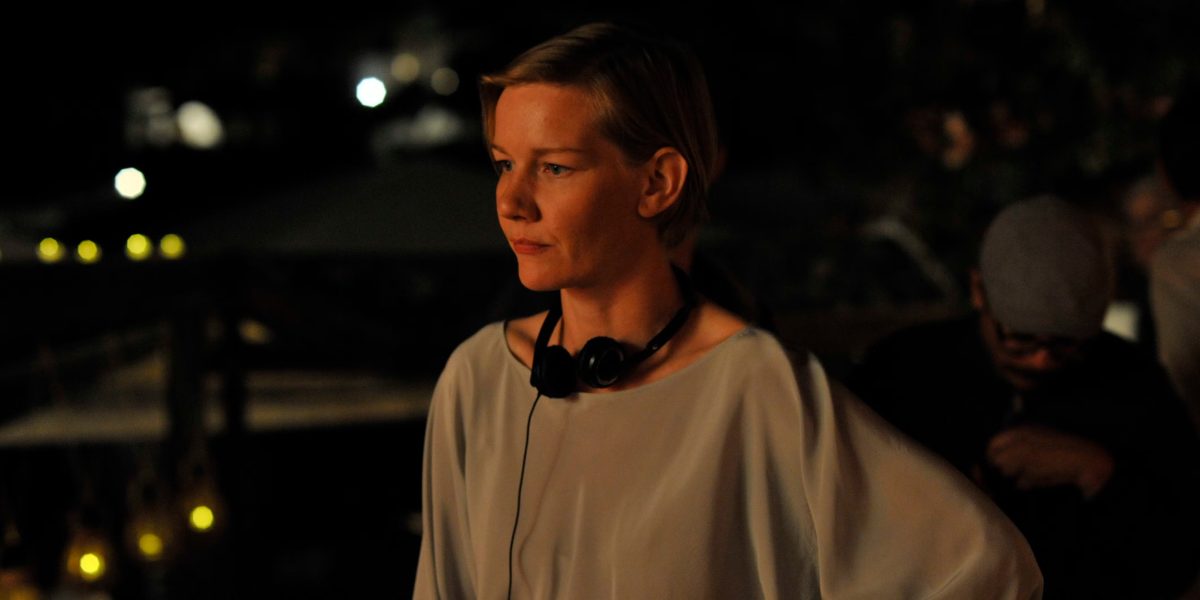
Among the director’s examinations of socially motivated mental fragmentation in the minds of France’s modern women, “Sibyl” may just be Justine Triet’s shaggiest and most commonplace offering to date. But when the French filmmaker teams up with Hüller, the fireworks are undeniable, which becomes even more apparent here with such a small but pivotal performance as the film director of a project essentially being held hostage by its lead actress’s struggles to focus in the midst of a psychiatric personal crisis. Triet’s empathy for her women never wavers amid all these disruptions, but Hüller’s presence as the filmmaker whose own empathetic threshold may just have reached its breaking point is superbly entertaining.
Her fed-up demeanour as a director who’s had it up to her eyeballs with everyone else’s personal drama, and yet refuses to relinquish the composure that has gotten her to this point as a woman in a gender-hostile industry, adds fuel to the fire that both strengthens the tension and lets it snap with casually comedic exasperation. Triet melds a strangely unflattering but no less relatable self-insert figure into a wider psychological comedy-drama that gives Hüller a small but well-utilized opportunity to show everyone who’s in charge, and who’s just as susceptible to breaking under unmanageable pressures.
4. The Zone of Interest (2023)
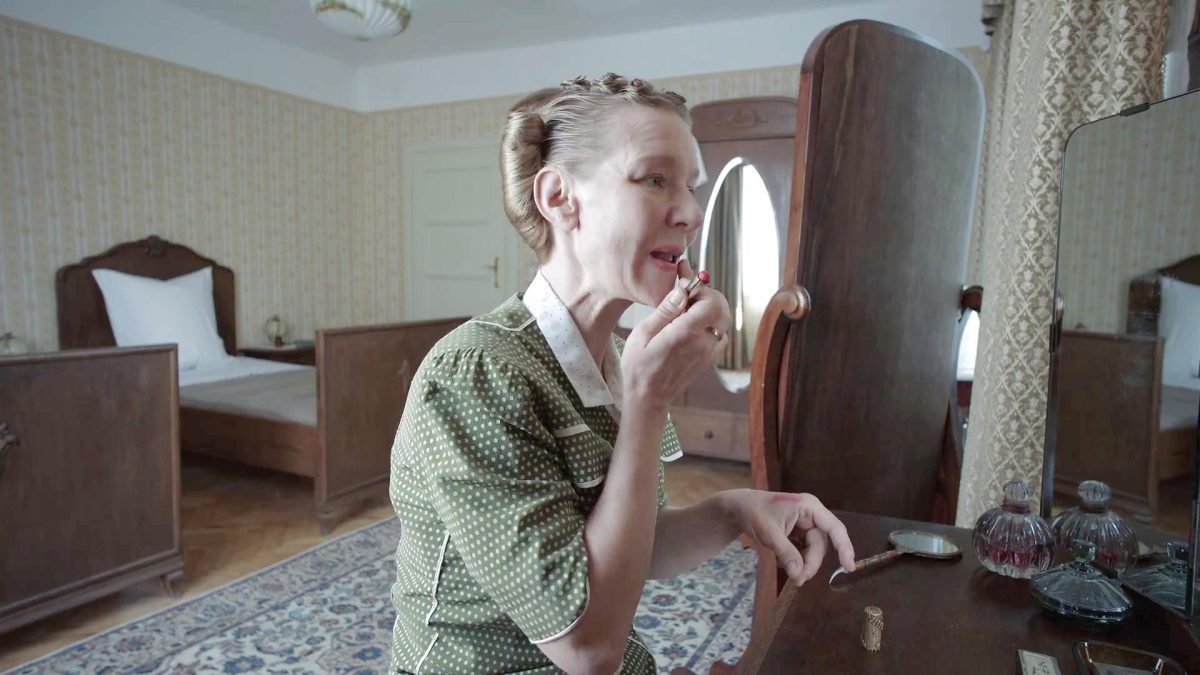
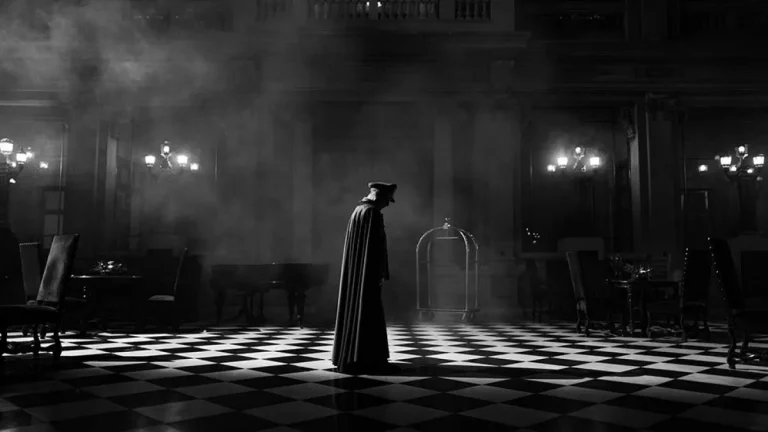
Another unassuming but no-less-crucial Hüller performance, “The Zone of Interest” may be a bit too clinical in its presentation (complimentary) to be explicitly actor-focused to the same degree as some of these other films, but Jonathan Glazer’s unflinching portrayal of inhuman apathy would be nothing without the hollow ignorance displayed on every one of his actors’ faces and evident in each of their uncaring daily routines. Hüller, for her part, inhabits a role of unfathomably casual cruelty, wherein ignorance can’t even be feigned in a situation so obviously malicious, monstrous, and morally damning. This is a person who knows exactly where her luxuries come from, with no qualms about ignoring the atrocities stemming from the other side of her garden wall as long as the blood doesn’t trickle down into her rose garden.
One scene in front of a mirror perfectly illustrates this specific breed of downright evil bourgeois entitlement with such unemphasized horror that Hüller’s typical composure becomes entirely sickening, as the film itself becomes an unflinching reflection of banality in the face of historical atrocity. If “The Zone of Interest” is a defining statement on our undying capacity to ignore the cruelty of our neighbours, then Hüller’s icy presence is an instrumental cog in the malignant machine that chugs along no matter how many pleas for mercy fall upon its unfeeling exterior.
3. Requiem (2006)
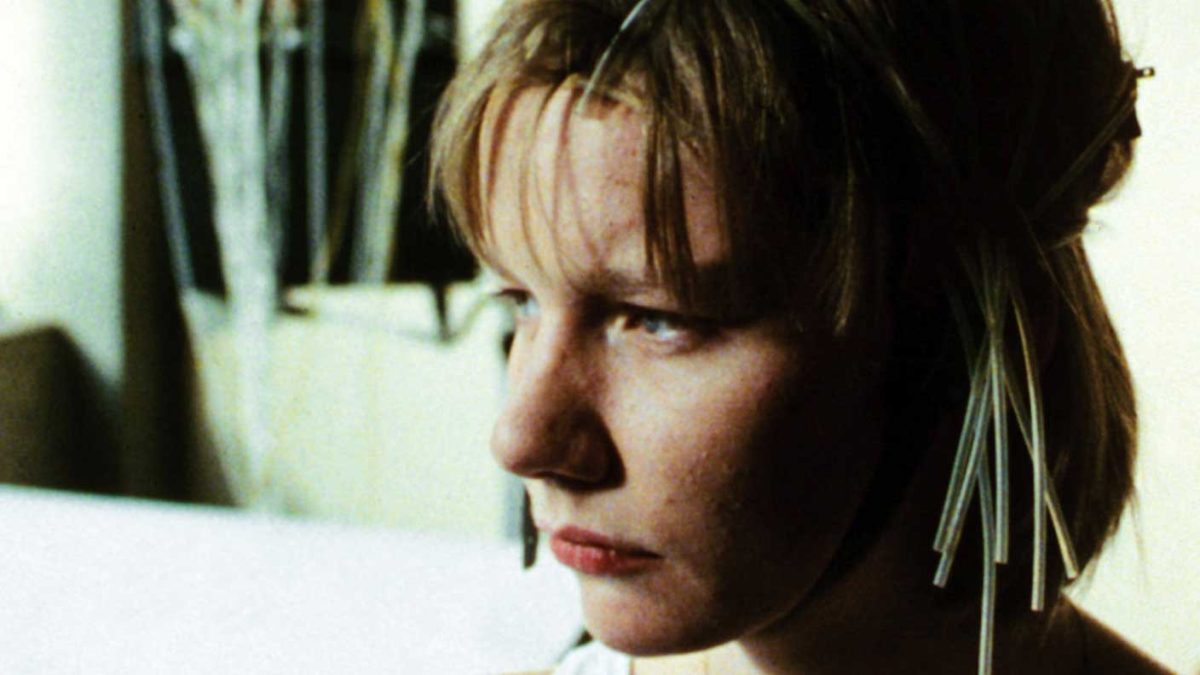
With a persona built upon such immeasurable distinction and maturity, it’s difficult to fathom a time when Hüller even existed in a state of being younger than the age of 35. “Requiem,” Hüller’s feature debut, demonstrably proves otherwise with a frantically uncertain youthful vigour that comes right out of the gate swinging. A film in which epilepsy and exorcism intertwine with a general anxiety in the exploration of new surroundings, Hans-Christian Schmid finds in the real-life story of Anneliese Michel a tragic self-inhibiting mechanism when a sheltered youth is thrown right into the deep end without any lessons on what lies beyond the scope of their immediate sight.
It’s relatively “normal” for most of us, but for someone of an isolated rural upbringing, the move to city college life can be terrifying. Hüller therefore carries “Requiem” with a shattered sense of self-worth amid a growing persistence to prove that she can handle new circumstances outside the scope of her limited experiences. How much of the exorcism element at play is actually considered real within the world of the film is left entirely within young Michaela’s head, and Hüller translates that internal turmoil with a frighteningly loose intensity.
2. Toni Erdmann (2016)
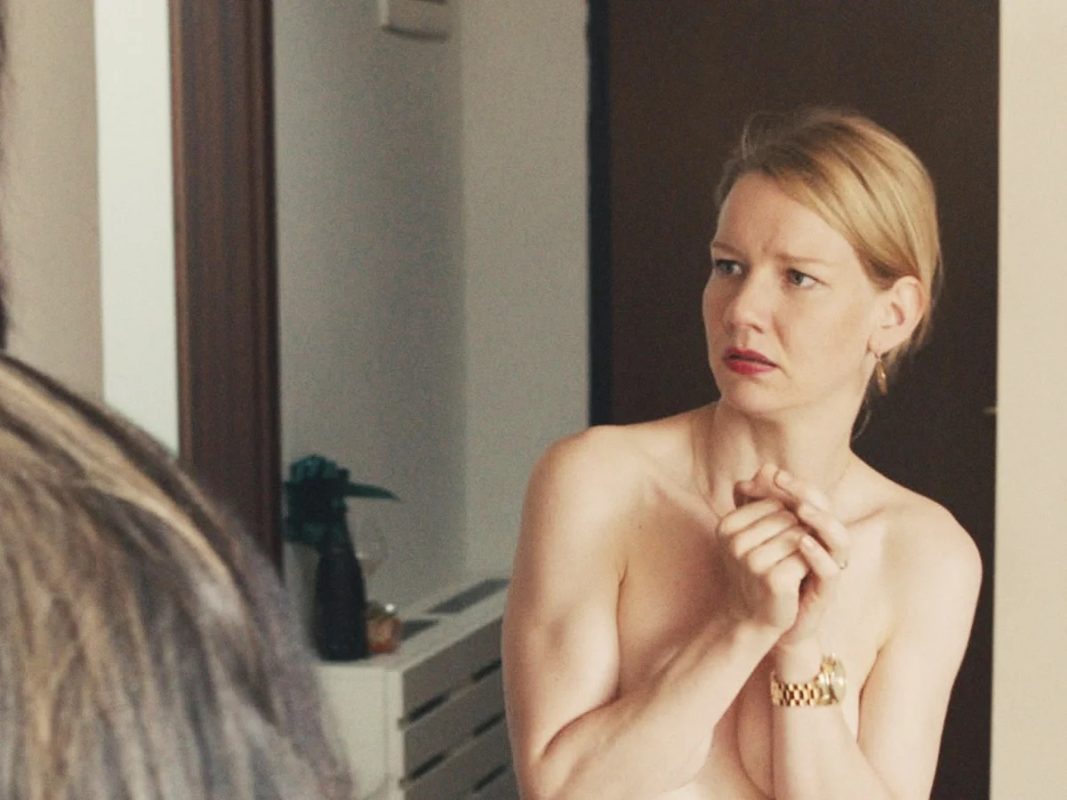
Sandra Hüller had been hard at work for a decade prior, but for all intents and purposes, “Toni Erdmann” was her proper introduction to the wider global film sphere. A film of such uncompromisingly thorough empathy for some of the more awkwardly impenetrable of upper-middle-class society, Maren Ade’s third, massively acclaimed feature rests principally on the glances that Hüller shares with co-star Peter Sominischek to open a floodgate of complex emotional reckoning with a present so focused on the future, and yet so firmly shackled to the past.
Ade’s particular, almost Leigh-adjacent care for her characters becomes a treasure-trove of opportunity for her actors to sink their teeth into a guarded exterior hiding such painfully vulnerable loneliness that comes to be compounded by an inability to express its limits with anyone who might be able to relate or sympathize. Hüller embodies this volatile state of mind with her usual balanced attitude that becomes all the more shattering when a few stray tears appear to stain the ever-present business-class blazer. Out of that vulnerability comes an expressive silence that sends shockwaves through the screen, and Hüller’s impromptu serenading skills are all it takes to shatter the barrier that typically keeps our own safeguards standing in perpetually saddened skepticism.
1. Anatomy of a Fall (2023)
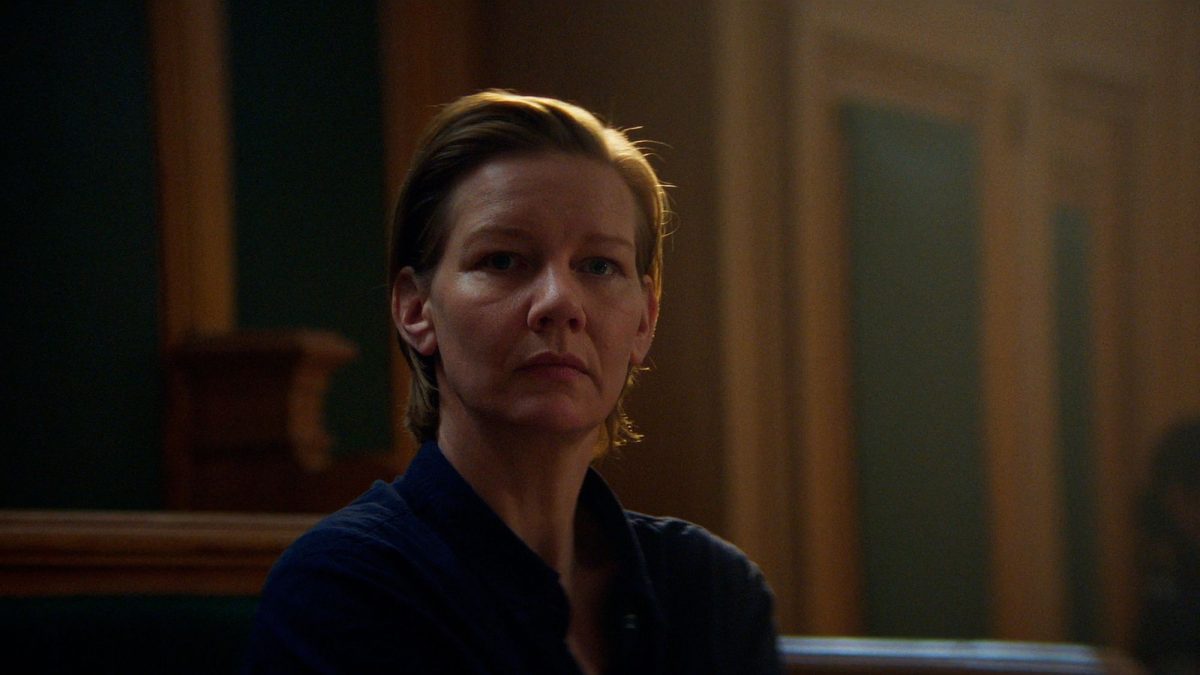
Hüller’s first and so far only Oscar nomination—among countless other accolades—came with her second Justine Triet collaboration “Anatomy of a Fall,” which revealed itself as a demonstrable improvement in terms of thematic and aesthetic concentration, a fact which extends to the leading star’s magnetically ambiguous anchoring performance. Bringing the sentiment of gender-on-trial to quite literal ends, “Anatomy of a Fall” places Hüller squarely in defense mode, and in that defensive position, the German actor puts forth the fight of her life in a filmic testament to impenetrability as a pure weapon.
Rivalled by a true ensemble of biting supporting performances—not least of all, naturally, from Messi the dog—Hüller dominates all in a breathless battle of withholding and divulgences, where the stresses of a murder trial rub against the persistent stresses of misogynistic daily life to find all manner of persecution in even the most straightforward of testimony. Still, whether or not this is a case of true innocence is one point that “Anatomy of a Fall” refuses to answer outright, and by virtue of Hüller’s careful but effortless presence, that uncertainty rings with a deafening force that matches such a domineering screen presence.