For more than 3 decades in Hollywood, I’ve watched how every transformative shift in technology, from sound to television to digital editing, has prompted both doomsday headlines and reinventions of how we honor creative work. Today, as streaming upends traditional broadcasting and artificial intelligence becomes part of storytellers’ toolkits, the survival of institutions like the Academy Awards and the Emmys is being questioned in earnest: are these ceremonies on their way out, or simply evolving with the industry they celebrate? This ongoing adaptation should reassure viewers that these traditions are resilient and capable of growth.
In December 2025, the Academy of Motion Picture Arts and Sciences announced what many in the business are calling a historic shift: beginning in 2029, the Oscars, long a marquee showcase on network television, will stream exclusively on YouTube, ending an almost half-century broadcast run on ABC. This multi-year agreement will run through 2033, giving YouTube global rights not only to the live ceremony but also to ancillary events such as the red carpet, the Governors Awards, and Oscar nominations announcements, all free to stream worldwide with multilingual support and accessibility features. (Reuters)
What additional changes might we see? Could AI introduce new categories like ‘Best AI-Generated Performance’ or ‘Best Digital Likeness’? We have already seen some current award shows, including Best Podcaster and Best Podcast. How about the best cinematic TikTok? As we move forward, dare we even consider the best A.I. Category? I have said for years that technology in the industry is moving so fast that the day will come when we buy someone’s likeness and move forward.
These changes reflect how viewers consume content today. A telecast that once drew tens of millions of Americans now regularly hovers near 20 million, with audiences fragmented across platforms and generations. The shift to streaming is a response to that fragmentation: not a death knell, but a recalibration toward platforms where audiences, particularly younger and global viewers, increasingly live. It’s also a signal that Hollywood institutions are aware they must adapt or risk becoming relics of a bygone media era. (EuroNews)
From the inside of studio award campaigns and executive suites, this feels like a natural, if profound, evolution. Awards have always been more than television events. They have been promotional and have been barometers of industry status, professional recognition, and cultural conversation. The notion of a broadcast spectacle tied to a specific channel made sense when households shared a single TV experience. Today, everyone carries dozens of screens in their pockets. The idea that a ceremony could be globally accessible without geographic or broadcast constraints is, in many ways, overdue. This shift should excite viewers about the expanded reach and inclusivity of future ceremonies.
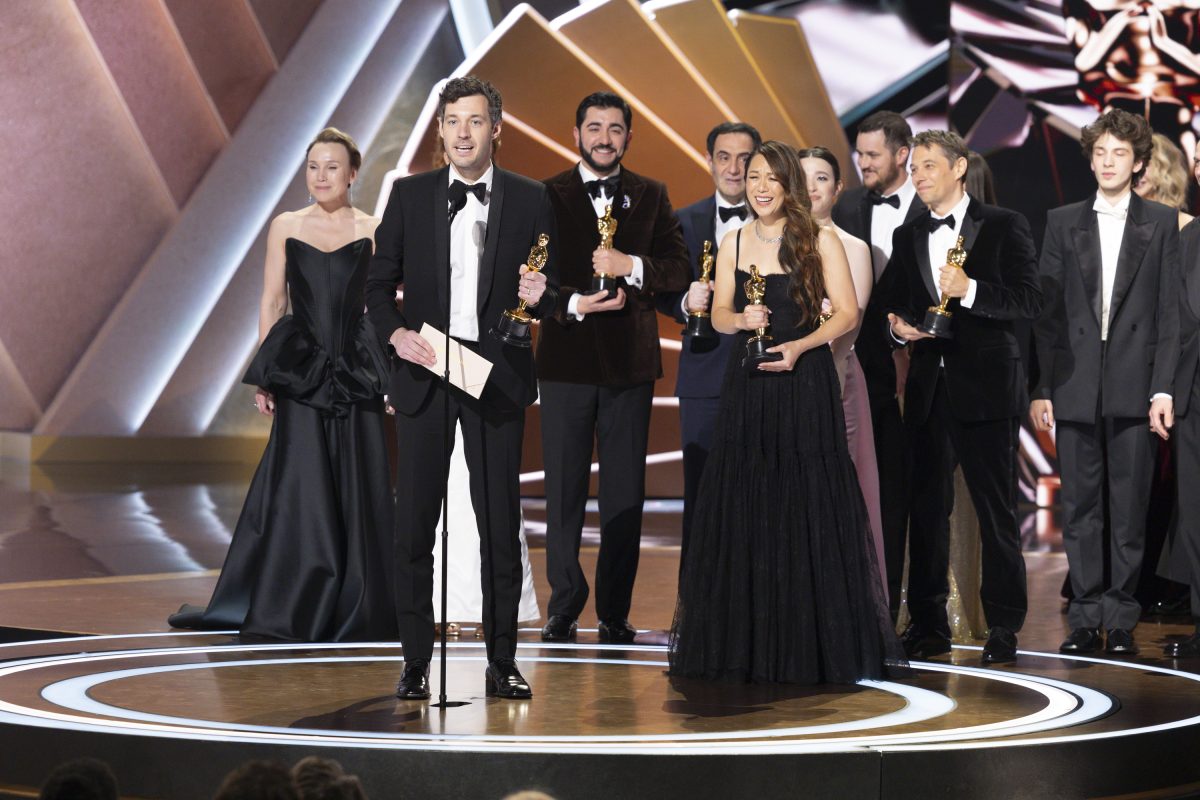
At the same time, this transition raises questions about what gets celebrated and where. In the streaming era, the lines between “film,” “television,” and digital programming are blurred. The Emmys have already made changes to reflect this shifting landscape. For the 2026 Emmy Awards, the Television Academy revised eligibility rules and categories to acknowledge evolving content forms and ensure awards align with contemporary production and consumption practices. These rule updates explicitly state that the Academy “reserves the right to inquire about the use of AI in submissions” – a clear acknowledgment that artificial intelligence is now part of the production ecosystem, even if the focus remains on celebrating stories rooted in human creativity. (TheWrap)
When I first worked on films that became award contenders in the 1980s and 1990s, AI was a distant dream. We sat in editing bays in the dark, editing tape-to-tape or with actual film. Conversations marveled at what was called the EditDroid, developed by George Lucas. (IMDb.com).
Today, it’s a practical reality in editing, visual effects, and even script development. The fact that the Emmys and Oscars are addressing AI reflects a broader trend: institutions no longer pretend new tools aren’t reshaping workflows. They’re creating frameworks that try to balance innovation with tradition.
Yet even as streaming and AI reshape production and distribution, the core value of awards shows, honoring excellence in storytelling, remains intact. The move to YouTube or rule adjustments for AI use don’t diminish the importance of recognizing outstanding achievement. They re-staged it within the modern media ecosystem. A ceremony broadcast on a global streaming platform could, in theory, engage more viewers across different continents than ever before. It democratizes access to what used to be a gated viewing experience. Rather than being confined to a specific channel or time zone, the awards season becomes a continuous stream of discoverable content that feeds podcasts, social channels, and global film communities.
There are skeptics, of course, and not without reason. Some fear that award shows risk losing prestige if they become more accessible or feel too fragmented. Others worry that the industry’s obsession with streaming metrics diminishes the cultural gravitas of a live collective moment. Recognizing these concerns, it’s important to see that Hollywood’s history of adaptation shows these institutions can evolve without losing their core significance, which should reassure audiences about their ongoing relevance.
Some argue that the very nature of awards might eventually shift toward honoring platforms rather than work, highlighting viewer engagement, algorithmic reach, or cultural impact measured in streams. There’s a grain of truth in this speculation. Studios already tout streaming data in campaigns, and executives closely watch platform performance. But the essence of awards is peer recognition, and until the industry abandons that core principle entirely, awards shows won’t be supplanted by popularity metrics alone. What if the world audience gets to vote on who wins, instead of Hollywood insiders? Why not?
From my vantage point, Hollywood isn’t abandoning awards shows. It’s redefining where and how they matter. Tomorrow’s ceremonies will likely feel different from those of the past, with shorter highlights, global streaming premieres, interactive elements, and perhaps AI-assisted content discovery. Regardless, they will remain crucial markers of achievement. If anything, they’re becoming more integrated into the everyday viewing habits of global audiences, not less.
So, will the Oscars and Emmys fade away in the age of streaming and AI? The short answer is no. They’re not dying. They’re evolving. The industry around them is changing, and the awards must change with it. Whether YouTube becomes the new home for Hollywood’s biggest night or the Emmys expand categories to include emerging formats, these institutions are adapting to stay relevant in a world where the lines between broadcast, streaming, and digital storytelling continue to blur.
Hollywood has reinvented itself countless times. From the studio system to television, from multiplexes to digital downloads, the story of entertainment has always included reinvention. Awards shows, far from fading away, are simply writing their next chapter — one streamed across the world, recognized by a new generation, and rooted in the same celebration of storytelling that brought them to life in the first place.