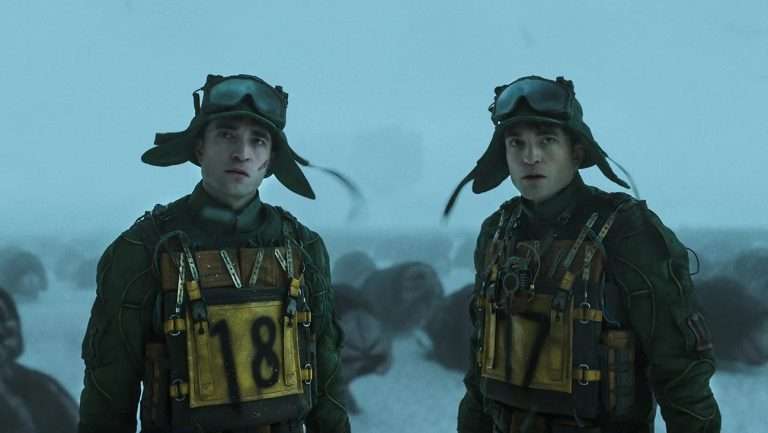
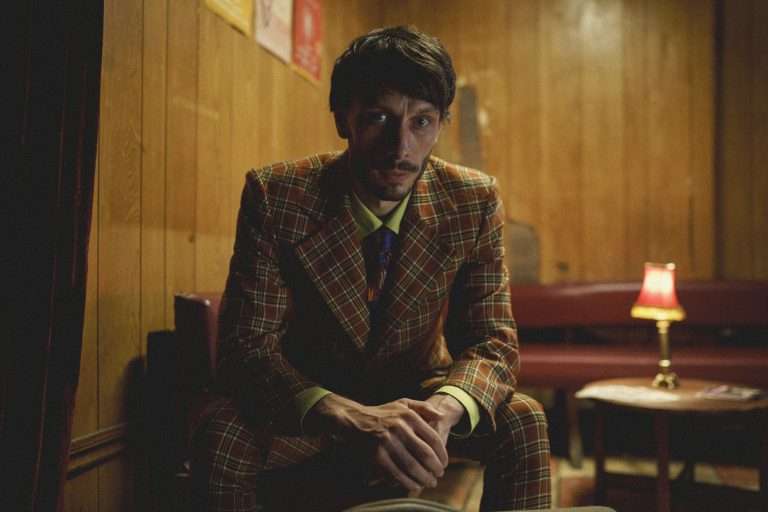
It’s been a long time since the film industry has seen a phenomenon like “Obsession,” which has already become one of the most profitable releases of all time. Shot for less than $1 million and screened at last year’s Toronto International Film Festival, “Obsession” is one of the rare horror films with no stars, a first-time director, and a relatively simple concept that exploded in popularity because of just how strong the word-of-mouth has been.
Not only has “Obsession” managed to outperform films with much larger budgets, but it has also seen an uptick in weekly ticket sales, indicating that the word is spreading. There hasn’t been a horror film so small to blow up since “The Blair Witch Project,” and one hasn’t consistently increased its box office since the original “Scream.”
“Obsession” is one of the year’s best films, and will hopefully stay in conversation all year as the award season heats up, as Inde Navarette’s performance is sure to be a major contender. While it is hard to discern the influences that director Curry Barker had, given that he is a relatively young filmmaker, he clearly has a passion for classic horror. He’s even working on the mysterious new reboot of “The Texas Chainsaw Massacre.” “Obsession” is informed by modern themes regarding the loneliness epidemic and the post-#MeToo era, but it is also scary in a way that evokes many all-time greats within the genre. Those who have become obsessed with “Obsession” have plenty of gems to check out.
7. Misery (1990)
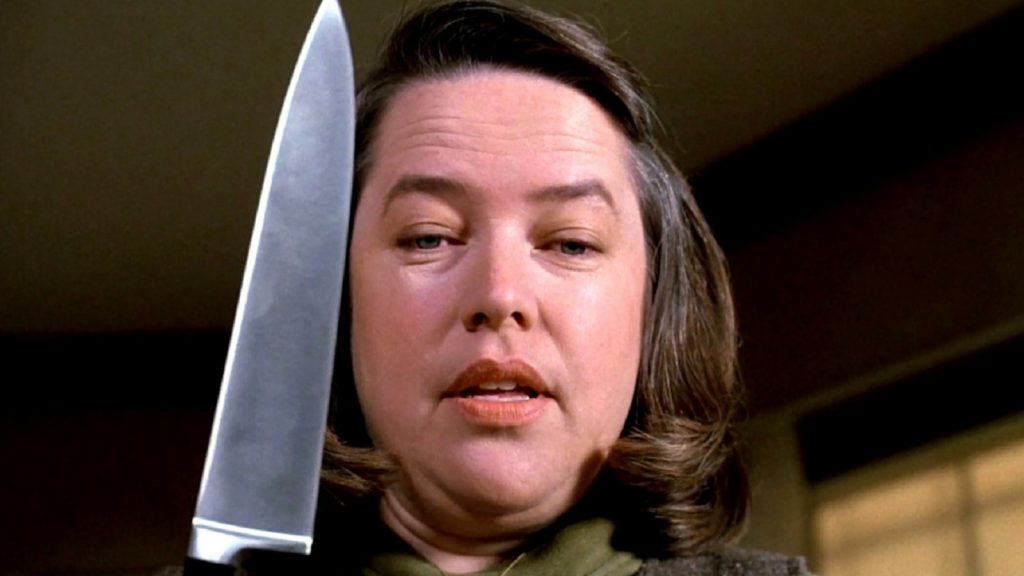
The most terrifying theme in “Obsession” is that of unwanted attention, as Bear (Michael Johnston) thinks that Nikki being in love with him will fulfill his heart’s desires, even though it turns out to be a curse. A similar idea motivated Stephen King, who wrote the story “Misery” about the terror of being stalked and attacked by a fan who took his writing far too seriously. It became the basis for Rob Reiner’s horror masterpiece, which earned Kathy Bates the Academy Award for Best Actress.
“Misery” is, similar to “Obsession,” very small in scale, as it takes place almost entirely in a remote location, where all the tension is derived from the dynamic between two characters. Although many A-listers turned down the leading role because they didn’t want to look that vulnerable on screen (especially due to a brutal attack scene), James Caan was brave enough to accept the part of the troubled author and gave one of his best performances. Reiner had already proved that he understood the fundamentals of King’s writing when he adapted the author’s short “The Body” into the classic “Stand by Me,” but “Misery” perfectly depicted the dark side of the modern “King of Horror.”
6. Gone Girl (2014)

“Obsession” brilliantly flips the dynamic of a seemingly idealized relationship when the male character realizes that the perfect girlfriend he’s found is not all that he had in mind. This was also the subject of Gillian Flynn’s bestselling mystery “Gone Girl,” which was adapted by David Fincher into one of the best films of the 2010s.
“Gone Girl” has a similarly morbid sense of humor as “Obsession,” given that both films find something blackly funny in the notion of a seemingly reserved woman unleashing her dark side and holding villainous thoughts. Like Navarette, Rosmaund Pike’s performance was a complete breakthrough. Pike had given strong performances in period pieces like “Pride & Prejudice” and “An Education,” but nothing in her filmography had suggested she would be capable of playing a villain like “Amazing Amy.”
Both films are smart in revealing that their seemingly sympathetic male characters are guilty of being manipulative and deceitful. Amy only lashes out in “Gone Girl” because she discovers that her husband Nick Dunne (Ben Affleck) has been having a secret affair, and Nikki is clearly trapped against her will with Bear, who can’t admit to anyone that he is violating her consent. Both films also feature a cruelly ironic twist ending.
5. Carrie (1976)
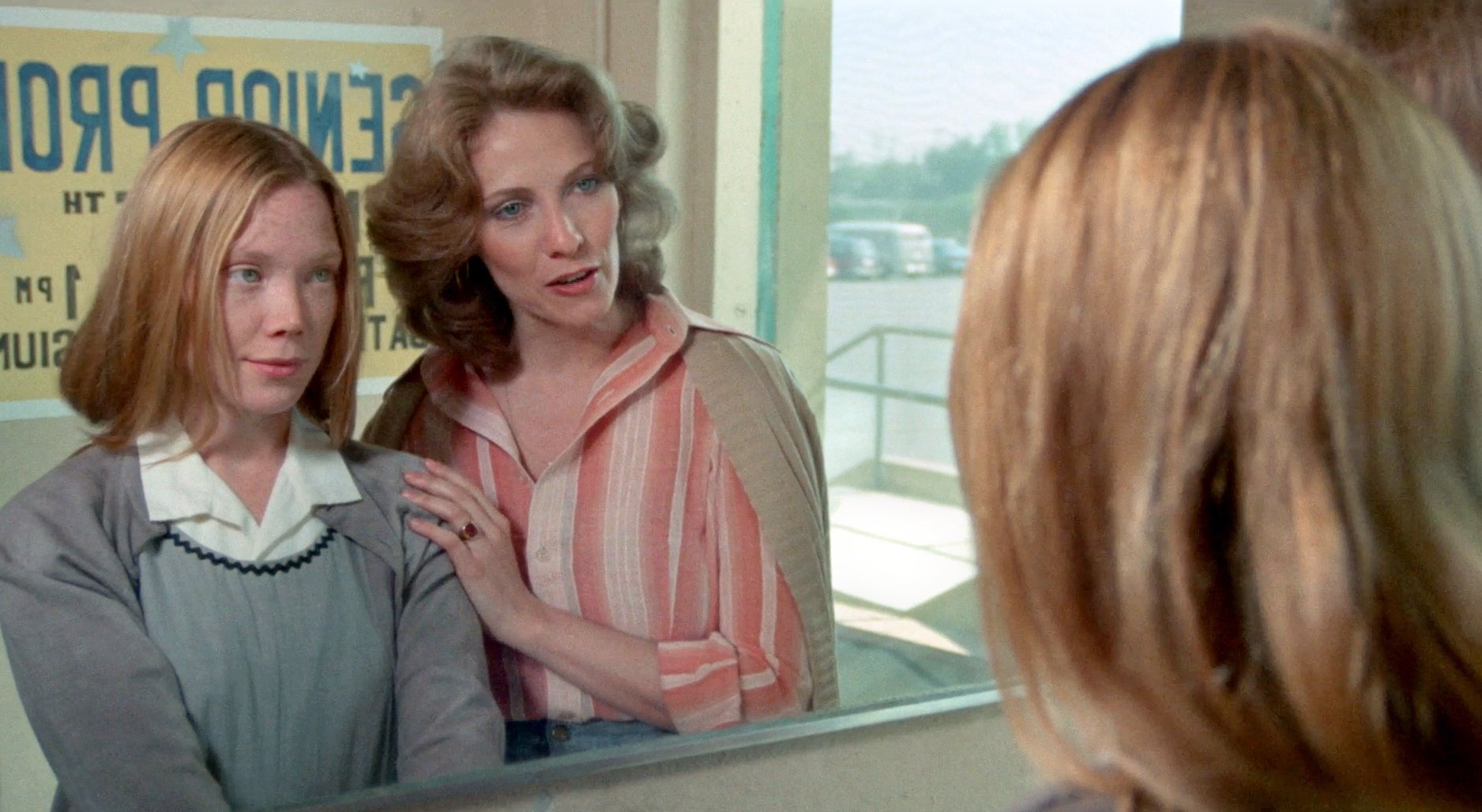
There’s a major presence of Brian De Palma within “Obsession,” and not just because the director made a different film of the same name. De Palma has a style of aggressive, graphic horror that is in line with Barker’s, and he captured a similar perspective on justified female rage in “Carrie.” “Carrie” was the first ever adaptation of a King novel, and set the stage for classics like “The Shining” and “The Shawshank Redemption.” Like “Obsession,” it launched a major young star with a revelatory performance.
Sissy Spacek is brilliant in “Carrie” because she perfectly depicts the shame and terror felt by a teenage girl during the most awkward period of her life, only to lash out in a feat of fury that is utterly shocking. “Carrie” and “Obsession” worked because they were made by young filmmakers who understood how to process the emotions of characters that were similar to them in age, resulting in a level of intimacy that wouldn’t have been possible with an older director behind the camera. “Obsession” managed to narrowly avoid an NC-17 rating by cutting out a particularly gruesome moment, but the ending of “Carrie” is still one of the scariest moments in film history.
4. Twin Peaks: Fire Walk With Me (1992)
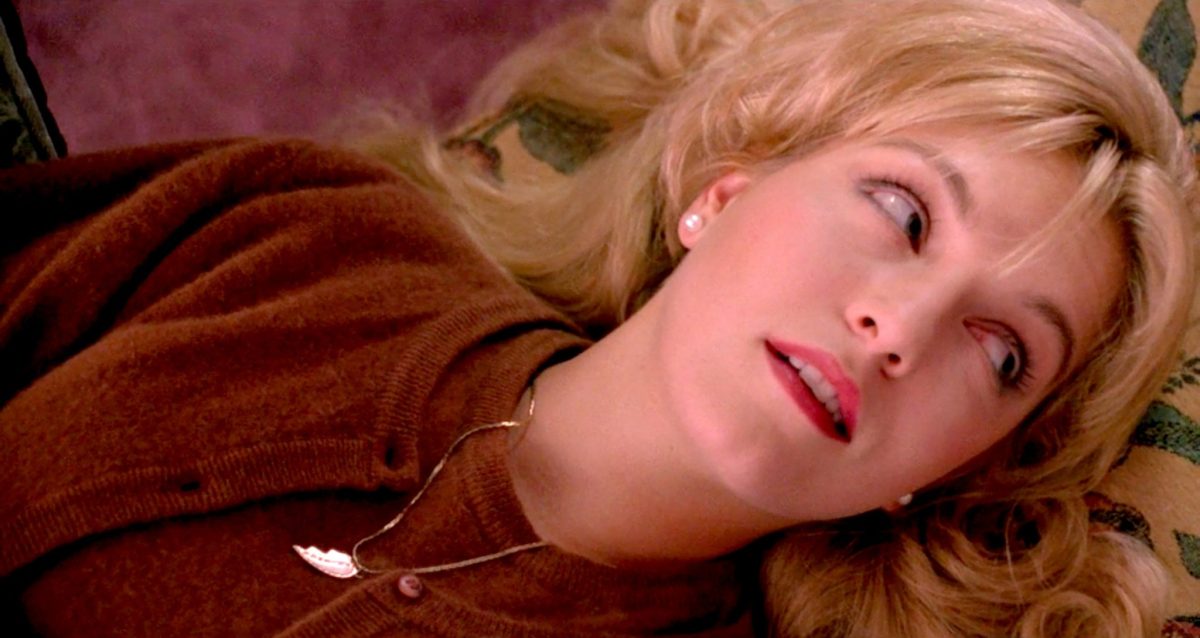
What’s most fascinating about “Obsession” is that Nikki is a character who is absolutely terrifying, but is also unquestionably the victim of the story. Nikki is not in control of her actions and has to suffer the consequences of having her entire essence warped by a curse. This was a topic that David Lynch examined in “Twin Peaks: Fire Walk With Me,” the brilliant prequel to his television series “Twin Peaks.”
Although the show was cancelled at the end of its second season by ABC, Lynch didn’t make a film that would answer everyone’s questions about what happened to Special Agent Dale Cooper (Kyle MacLachlan). Instead, he made a prequel that showed the last week in the life of Laura Palmer (Sheryl Lee), as she endured suffering before winding up wrapped in plastic at the bottom of a lake. It’s a heartbreaking film because Lee shows Laura’s loss of control, as she is unable to understand the supernatural occurrences around her. Nikki is a character who has a lot in common with Laura, but “Twin Peaks: Fire Walk With Me” also has a villain who turns violent because of a curse, within the terrifying performance by Ray Wise as Leland Palmer.
3. Funny Games (1997)

“Obsession” is funny in a very dark way because of the stillness of Barker’s filmmaking. Leaving a wide shot rolling for an extended period without cutting to any jump scares is effective in creating an atmosphere of dread because it allows the viewer to sit within the situation and consider it as a reality. Few films have ever confronted this feeling of unrest better than Michael Haneke’s “Funny Games,” a twisted film about psychopathic killers that invade the house of a wealthy family and perform sadistic acts of torture.
“Funny Games” and “Obsession” are similar in how they announce their morbid ambitions at the very beginning. Neither film has any sense of hope, but that doesn’t make it any less horrifying to imagine the nightmarish situations that the characters go through. Both films are calculating in how they subvert the idea of a fantasy situation by showing the grim reality of violence. In “Obsession,” Bear realizes that his desire for Nikki makes him complicit in violating her and seeing her commit acts of savagery. Although “Funny Games” does serve as a revenge fantasy on a wealthy family, the killers are far too vile for the viewers to ever sympathize with.
2. The Killing of a Sacred Deer (2017)

“Obsession” is perfectly pitched as a grounded horror film because it doesn’t explain anything about its premise that isn’t necessary to the plot. The implications are the only supernatural construct, as everything else plays out in a grounded way. Yorgos Lanthimos found a similar way to create tension in “The Killing of a Sacred Deer,” which is also about a parasitic character who destroys the fabric of a stable family. Barry Keoghan stars as a disturbed young man who confronts the surgeon (Colin Farrell) who failed to save his parents, and proceeds to torment him by forcing him to choose between killing a member of his own family.
As is the case with “Obsession,” “The Killing of a Sacred Deer” slowly reveals the severity of its curse as the situation gets more dire, resulting in some shocking moments of bodily horror. It still has an arch sense of humor, given that Lanthimos has a very dry way of writing dialogue. The film helped to distinguish Keoghan as one of the best young actors of his generation, granting him more opportunities to work with great directors. Hopefully, the success of “Obsession” will have a similar effect on Navarette, who has guaranteed that her next performance will be highly anticipated.
1. After Hours (1985)
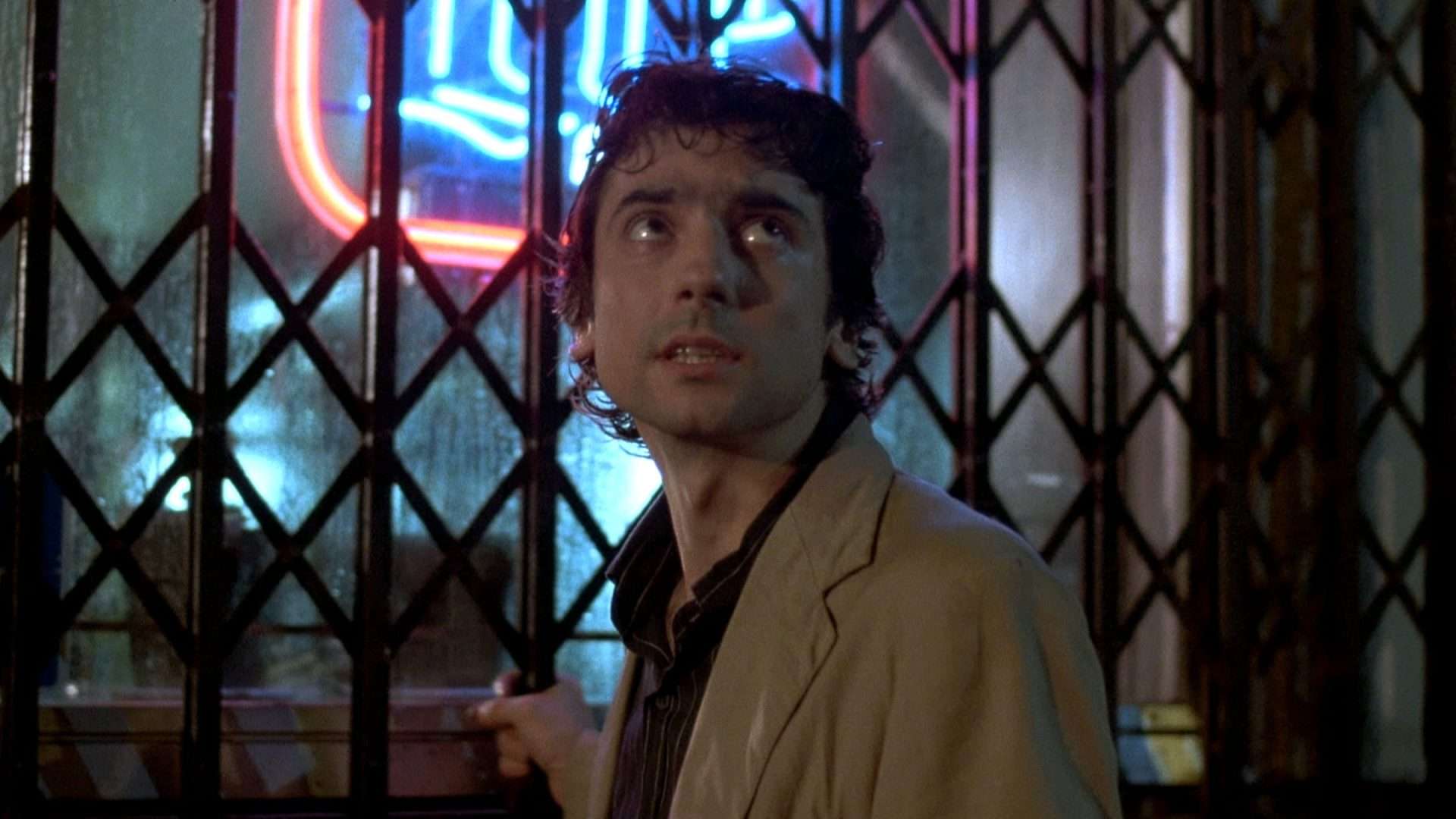
Martin Scorsese has made male anxiety a theme within many of his films, but none more accurately convey the paranoia of being young and single than “After Hours.” Although it’s not technically a horror film, “After Hours” is one of the darkest comedies of the ‘80s, as Scorsese latched on to a character who seemed to literally get all the attention that he didn’t want. Griffin Dunne gives his best performance ever as a lonely guy who experiences a terrifying night when a date goes awry, as seemingly the entire city of New York turns against him. Like “Obsession,” it’s a hilarious satire of male insecurity.
Scorsese is able to emulate awkward social situations by making them uncomfortable, scary, and hilarious at the same time. While it didn’t receive the universal acclaim that Scorsese earned for “Taxi Driver” or “Raging Bull,” it was a surprisingly influential film for the rest of his career. He would go on to make a few more outright comedies (“The Color of Money,” “The Wolf of Wall Street”), as well as more horror adjacent films (“Cape Fear,” “Bringing Out the Dead,” “Shutter Island”) that dealt with themes of male guilt and sexual repression.