America’s healthcare system has been a point of contention for a long time, but it has come under increasing scrutiny in the past few years. The country is often presented as a beacon of hope for everything that your heart desires, but the people who advertise this glossy, unblemished image do not convey the extent of the country’s brokenness.
However, you notice the cracks in other ways — how people can’t afford even the most basic medical care, how they refuse to enter an ambulance due to the stress of its egregious cost, or how they postpone their medical treatment to avoid the fear of its crippling debt. That’s why the disparity between what’s advertised and what’s true becomes clearer while watching projects like Benjamin Flaherty’s “Shuffle.”
The roughly 90-minute documentary, written and directed by Flaherty, reveals the cracks in the United States’ addiction treatment industry, covered under the country’s medical insurance. On the surface, insurance-covered help might sound like a humanitarian service from government authorities in order to assist people recovering from addiction.
That’s also how the coverage was not-so-subtly promoted when it was included in medical insurance coverage alongside treatment for other health concerns. However, it was far from the truth for many people who were seeking genuine humanistic support. Instead of helping them find the aid they sought and deserved under the said plans, the system exploited them through loopholes in this unregulated space.
Flaherty exposes glaring flaws in this insurance policy through the personal accounts of those who were manipulated under this system. He also interviews whistleblowers who explain the structure in which these frauds were implemented in broad daylight. With their help, Flaherty lays out an investigative analysis through a blend of personal and professional testimonies to convey the plight of vulnerable populations while revealing the institutional rot that enables, and inadvertently facilitates, their exploitation.
He includes interviews from an insurance analyst, an investigative reporter, and an employee of a rehabilitation facility who took part in similar frauds. Besides them, he offers insights from an informant who understands the ins and outs of the scam and the reasons it became possible to execute on a large scale without any hiccups.
Interesting Read: Addiction and Film: A Complex History
The scam in question begins with luring vulnerable addicts through something as simple as a Facebook comment, enticing them with the hope of rehabilitation, only to make use of their insurance money until it runs dry. The patients are promised the light at the end of the tunnel, but instead of offering the intended aid of rehab, they are strategically lured back into the trap of addiction.
Why? Because the capitalistic systems in question benefit by keeping these patients endlessly in that cycle of recovery. If they recover, corporations would lose their ‘revenue stream.’ That is only how so many of those ‘wellness centres’ look at their patients, as they intend to stay in practice.
Flaherty not only reveals the dehumanizing nature of their methods, but also brings us worryingly closer to the plight of people suffering because of them. The documentary shows him interviewing Cory, Nicole, and Daniel, three people who found themselves in this trap, apart from Daniel’s mother, who tells us the specifics of his hefty treatment expenditures, which comprised, at most times, medical tests that were not even necessary.
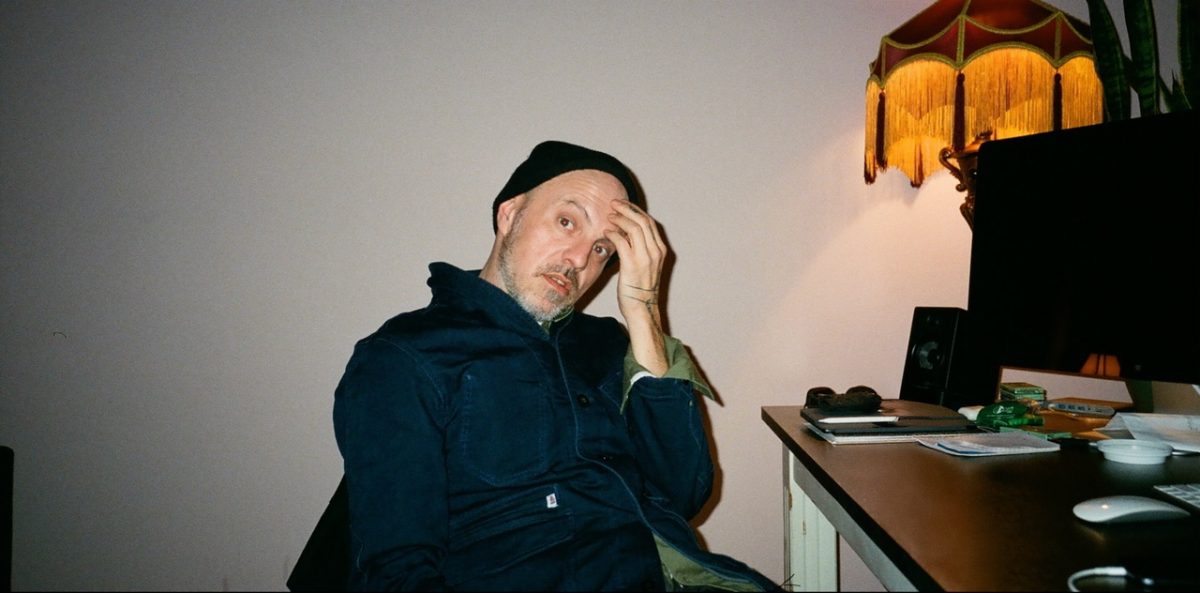
As a person on his own path of recovery, Flaherty’s doc comes from a deeply personal space, where he avoids judgment when understanding the disgruntled clients’ frustrations, as they speak candidly about their struggles with relapse. During these interactions, he sounds like a kind-hearted friend that they have always been looking for, and the support that they sought from the rehab facilities, but never found.
Also Check: What Films Get Wrong About Drug Addiction
Thanks to him, we get a more personal understanding of why people get drawn to its habitual cycle and what sobriety means to them in a broader sense. You notice how freeing his presence must have been for each of them, from seeing them uninhibited around him, knowing they can trust him with their honest selves. He carefully presents their emotional arcs to communicate the sheer weight of their overwhelming, negative emotions. Furthermore, he explores the value of a strong support system and a sense of community for long-term recovery.
While presenting these personal stories, he offers a damning look into the ties between these private organizations and the public sector, where money becomes the sole driving force, even for those who present themselves as the hopes for humanity. Although Flaherty doesn’t emphasize blame for any political side, he does make you realize how villains are not only the usual suspects, but also the side in the country’s bipartisan politics whose entire political campaigns have revolved around – ‘at least we’re not as terrible as those conservatives.’
Flaherty strikes a fine balance in making us realize the personal stakes and the larger structural issues that prey on people’s vulnerabilities to serve their own endless lust for wealth. He paints an alarming portrait of our world, where charity is often monetized and compassion is weaponized, since everything begins with and ends at the conversations about money.



![The French Dispatch [2021] ‘BFI’ Review: A Quirky cast, stunning shots, but little else](https://www.highonfilms.com/wp-content/uploads/2021/10/The-French-Dispatch-768x562.jpg)



![Widows [2018]: ‘MAMI’ Review – Suffers from Incoherent Narrative](https://www.highonfilms.com/wp-content/uploads/2018/11/widows_2018_review_highonfilms-768x384.jpg)