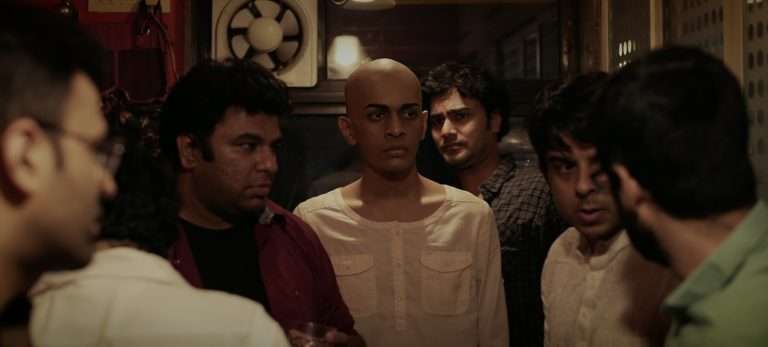
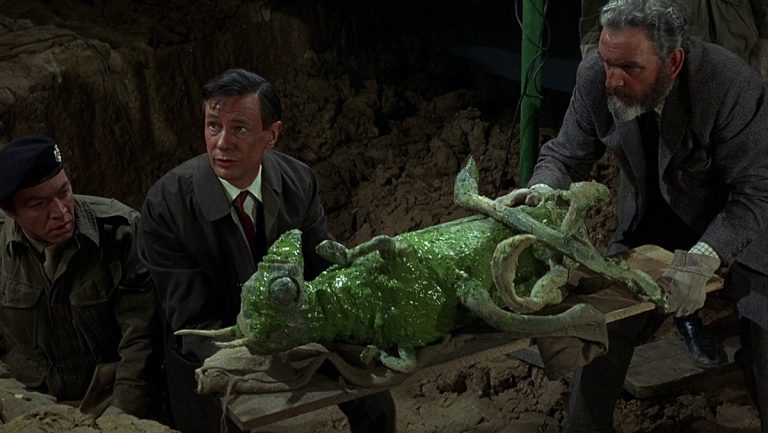
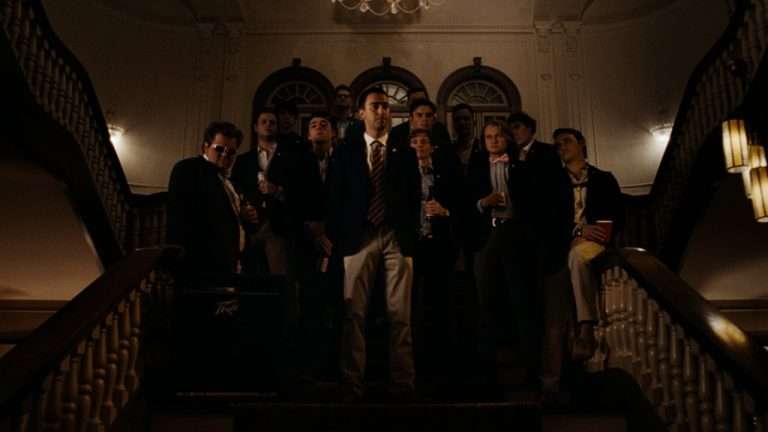
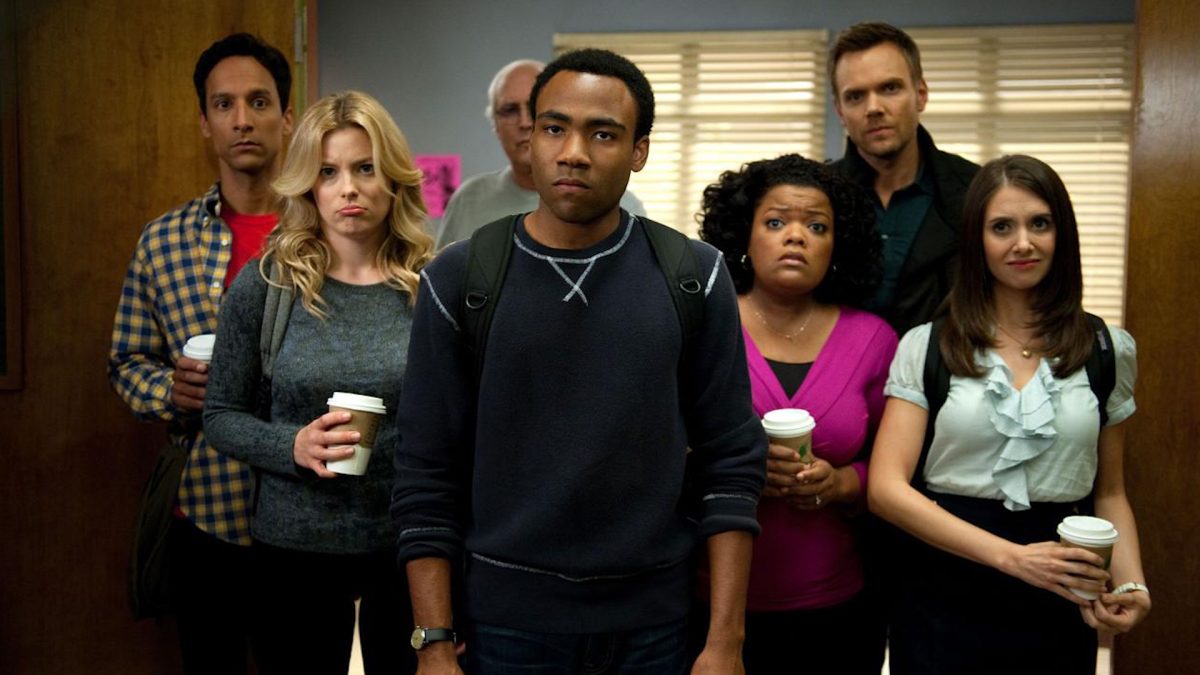
“Community” is a sitcom created by Dan Harmon that premiered on NBC in 2009. Set in a community college, the show follows a study group of seven students: Jeff, a lazy former lawyer who simply wants to get by, Britta, a social activist who is well meaning but incompetent, Abed, a film and TV student who regularly points out the tropes of his own life, Troy, a football player and Abed’s best friend who shares his nerdy interests, Annie, an overachiever who does not respond well to failure, Shirley, a Christian single mother who is somewhat self righteous, and Pierce, a wealthy old man who frequently hinders the group.
Together, the study group attends Greendale Community College, where they attend classes and partake in many self-aware genre homages. What kept many of us watching was how carefully the show thought about form. Intertextual gags and self‑aware riffs weren’t decoration. They were the grammar that the series used to ask what stories do to people, and what people need from stories.
I came to “Community” expecting jokes. I stayed because the show kept turning jokes into a kind of honesty. It would borrow a genre, commit to it, and then let the borrowed style serve a practical purpose. The show used the characters to say what they could not say directly. It also helped the audience feel included, like we were sitting in the room with the writers as they built the episode.
That is why the show’s metafiction works for me. Metafiction can sound like a fancy term, but in practice, it is simple. A story points at its own storytelling. “Community” does so through intertextuality, the way one text speaks to another. The references are obvious, yet the best episodes never feel like a trivia contest. They feel like the writers are choosing a shape that fits a feeling.
A strong example is “Pillows and Blankets.” The episode treats a pillow fight like a serious documentary, and it clearly draws on Ken Burns. Burns can make history feel intimate by anchoring big events in private voices. “Community” borrows that approach. Even while the whole school is at war, the episode keeps circling back to Troy and Abed. Their friendship becomes the personal thread that makes the chaos legible.
The filmmaking choices sell the joke. Still images replace footage. The camera pans across pictures as if it is trying to animate the past. Interviews appear with straight faces. The narration treats silly moments with solemn authority. Because the style is sincere, the episode earns the right to be absurd. It also earns the right to sting. The fight lands as a real fracture because the documentary form refuses to treat it as disposable.
“Community” can also take a tired sitcom convention and flip it into a critique. “Paradigms of Human Memory” looks like a standard clip show. Those episodes usually exist to save time and money. “Community” refuses the shortcut. The clips are brand new scenes we have never seen before. We know they happened, but we do not know the full story behind them. That missing context is the point. The show makes the clip show form feel hollow by removing the comfort it normally sells.
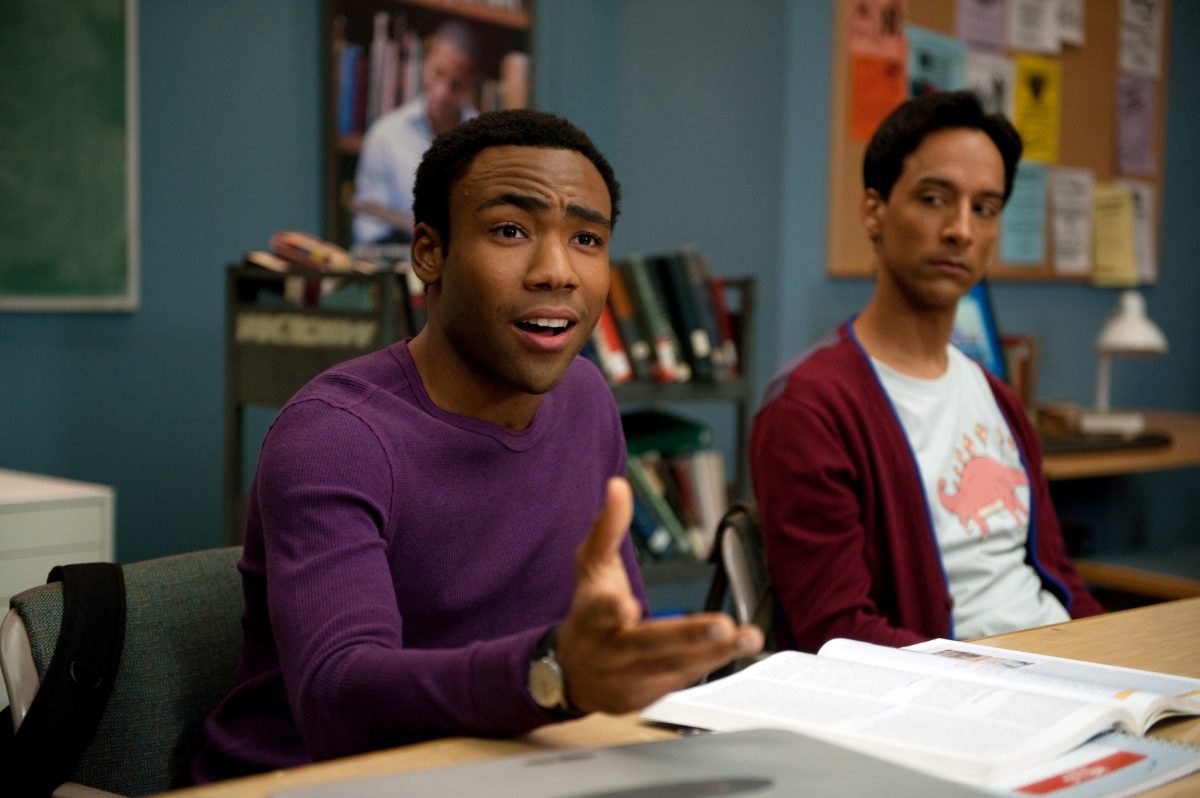
What makes this funnier is that the episode is anything but cheap. New footage costs real money. “Community” spends money to make a joke about how lazy clip shows can be. Then it uses the fake memories to force the study group into a conversation they have been avoiding. They finally say what they are mad about. They argue and clear the air. The gimmick becomes a lesson about speaking up before resentment grows teeth.
“Regional Holiday Music” is another kind of intertextual jab. It is a musical episode that mocks musicals, with “Glee” as its clearest target. The episode keeps pointing at the strange logic of spontaneous song. Mr. Rad steps away from the piano, and the piano keeps playing. Abed asks the question the audience is thinking. It is a small crack in the illusion, and that crack is where the comedy lives.
The episode also pushes its critique into ethics. It turns the teacher figure into something frightening. Mr. Rad’s obsession with the glee club becomes threatening, even violent. The exaggeration makes the point sharp. Art that relies on coercion is not joyful. A community built on pressure does not last. “Community” says that plainly, and it says it in the language of a parody.
Abed is where self-awareness stops being clever and starts being personal. He notices tropes the way other people see the weather. He uses stories to organise the world. “Abed’s Uncontrollable Christmas” shows how that habit can become a lifeline. The episode becomes stop motion because Abed cannot cope with what he is feeling. Moreover, the line ‘I assume that’s why we’re all stop‑motion animated’ sounds like a joke, yet it is also a confession. He has changed the world so it can hurt less.
The trigger is simple and brutal. Abed’s mother has a new family and cannot come for Christmas. When that happens, Abed retreats into a holiday special, because holiday specials promise that sadness can be wrapped up and solved in twenty minutes. “Community” both honours and teases that promise. The stop motion format lets the episode play with Christmas tropes while showing why those tropes exist in the first place. They are rituals for surviving disappointment.
The show’s self-awareness also turns inward, toward its own production life. “Biology 101” opens Season 3 with a musical number about becoming more normal. It reads like a joke about the group, but it also reads like the show talking back to network notes. The writers were being asked to tone things down. They answer it by putting the request into the episode and laughing at it.
Later, the Dean admits the school has no money. It works within the plot and hints at the show’s budget realities. That honesty is part of Community’s charm. It does not pretend that TV is made in a vacuum. It admits the constraints, then tries to do something inventive anyway.
That anxiety about survival returns in “Basic Sandwich,” the Season 5 finale. Abed tells Annie they will definitely be back next year. If they are not, it will be because an asteroid destroyed human civilisation, and that is canon. It is a ridiculous line, but it lands because the fear underneath it is real. The show did not know if it would return. Instead of hiding that uncertainty, it turned it into a joke you can hear the writers smiling through.
The series finale, “Emotional Consequences of Broadcast Television,” makes the meta layer explicit. The characters pitch imaginary futures for Greendale, calling them seasons because Abed frames life in TV terms. The group plays along, and the language becomes a way to address the show’s long relationship with cancellation and rescue. The episode feels like a farewell and a pitch. It is funny and, in a way, tired, in a way that feels honest.
The finale’s last joke is a fake board game commercial that lists the show’s own flaws. Some episodes were too conceptual. Some were too funny to be immersive, and some were so immersive that they still were not funny. The line is generous. It tells viewers that the show heard the criticism and did not panic. It kept its sense of humour and proportion.
At the centre of all this is a quiet claim about what television is. Abed says TV is a comfort. He argues that TV defeats its purpose when it becomes proud or ashamed of itself for existing. On first listen, that sounds like an argument against messages. Yet “Community” is full of messages. It keeps returning to the same simple lessons. Talk to your friends. Do not force people into roles. Let things change. The show’s real claim is softer. Meaning lands best when it arrives as a company rather than a lecture.
“Community” also rewards attention without turning attention into homework. Its long-running “Beetlejuice” gag is a perfect example. The show drops the name once, then again later, and on the third mention, “Beetlejuice” appears in the background. It happens fast. The camera does not call attention to it. If you notice, you get a tiny private reward. If you miss it, nothing breaks. That balance is generous. It invites you in without punishing you.
Taken together, these episodes show why Community’s metafiction has lasted. The show borrows forms we recognise, then uses them to reveal character. It admits it is a piece of television made under pressure. It laughs at itself when it fails. It also gives its people a chance to be sincere inside the joke. That mix is rare.
Greendale is ridiculous, and the series knows it. Yet it rarely feels careless. “Community” treats storytelling as a craft, and craft as a way of caring for viewers. When the form is respected, the audience feels respected too. That is why the show still matters to me. It reminds me that television can be comfort, and that comfort can still ask us to be kinder to each other.