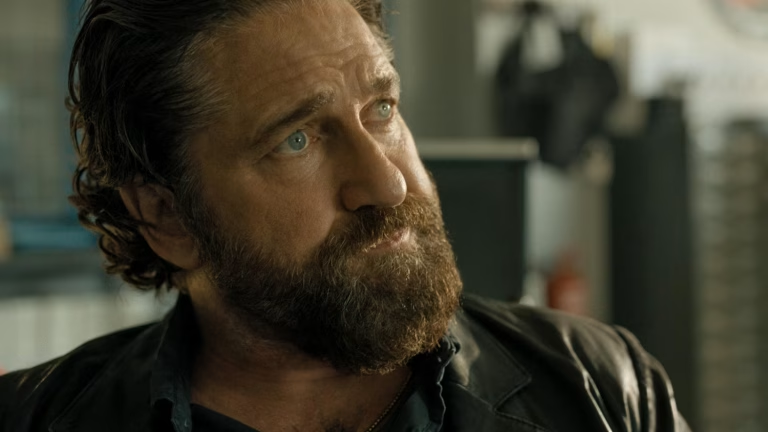
Todd Haynes is unique among the new wave of American filmmakers who emerged in the ‘90s and transformed the landscape of independent cinema. While directors like Quentin Tarantino, Richard Linklater, and Steven Soderbergh cut their teeth in low-budget crime thrillers that popped at festivals like Sundance, Haynes only briefly worked at a more minor scale thanks to his connections with the music industry.
Although it didn’t take Haynes long to attract the interests of A-list stars, he has never been backed into a corner and denied the chance to show his ambitions. The thorny, difficult subject material he often highlights is made even more complicated by the stunning, opulent beauty of his craftsmanship.
Haynes is often associated with the New Queer Cinema movement, but there’s also a distinctly American streak to his work. Between the consequences of capitalism, the prison of societal roles, and the longstanding ramifications of alt-music, Haynes has ingrained his work within the fabric of society.
He’s taken to HBO to make projects like the miniseries “Mildred Pierce,” but for the most part, Haynes has been an active supporter of the theatrical market, and continues to be a popular face at festivals like Cannes. While there was briefly a concern about the status of his new, currently untitled 1930s detective film after Joaquin Phoenix dropped out of the lead role, production has commenced thanks to the casting of Pedro Pascal as his replacement. Here are all ten Todd Haynes films, ranked from good to great.
10. Poison (1991)
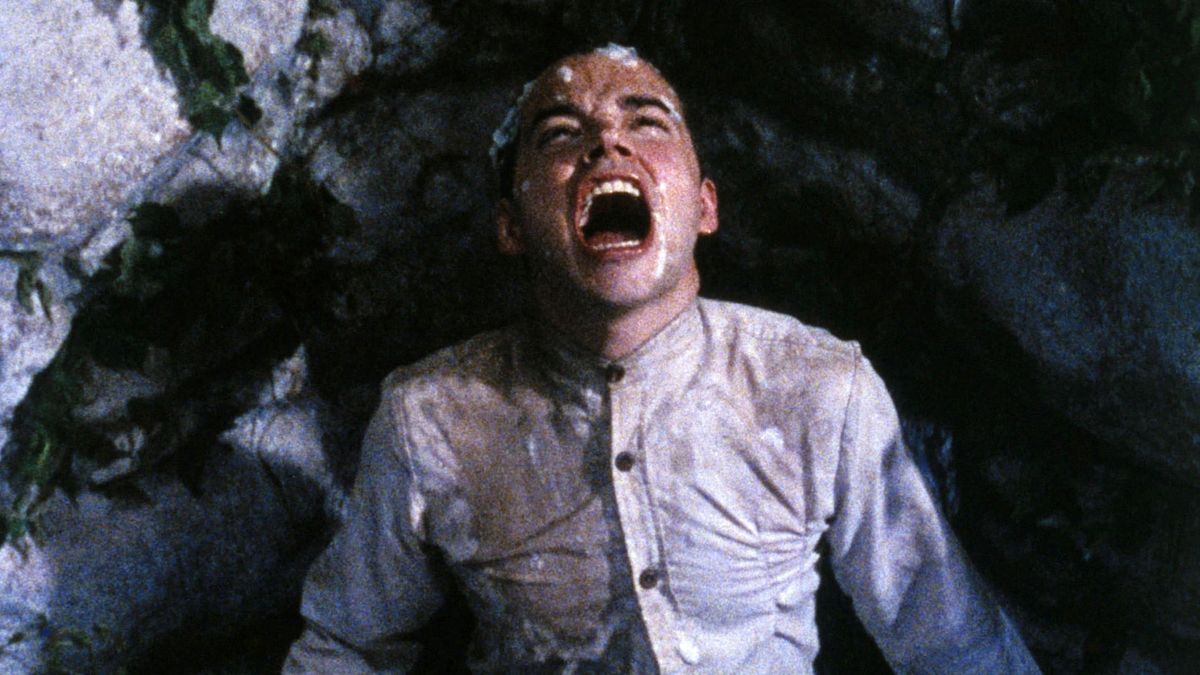
Considering that Haynes tends to focus on concepts such as alienation, subversion, and soul-searching, it’s a little bit surprising that he has yet to make a horror film. While his debut feature “Poison” wouldn’t technically qualify, it’s by far the most terrifying and aesthetically combative of his work. Released just as the AIDS crisis was beginning to be acknowledged by mainstream publications, “Poison” interweaves three disturbing stories about charged encounters that have starkly sexual undertones.
“Poison” isn’t a debut in the vein of Tarantino’s “Reservoir Dogs” or Linklater’s “Slacker” that immediately announced Haynes as a commercially viable voice, but it did offer a fairly impressive showcase for the multitudes he contained. Due to the trio of segments, Haynes is able to adopt the style of an ‘80s tabloid report, a science fiction B-movie, and a gritty prison drama.
Cast with largely unknown actors and set to a jarring score, “Poison” is a film made to be experienced and analyzed, if not necessarily to be enjoyed. While there’s an inherent messiness because of how many ideas Haynes was getting off his chest, rarely does a debut show such declarative originality. That Haynes has returned to the concepts of “Poison” is reason enough to value it.
9. Wonderstruck (2017)
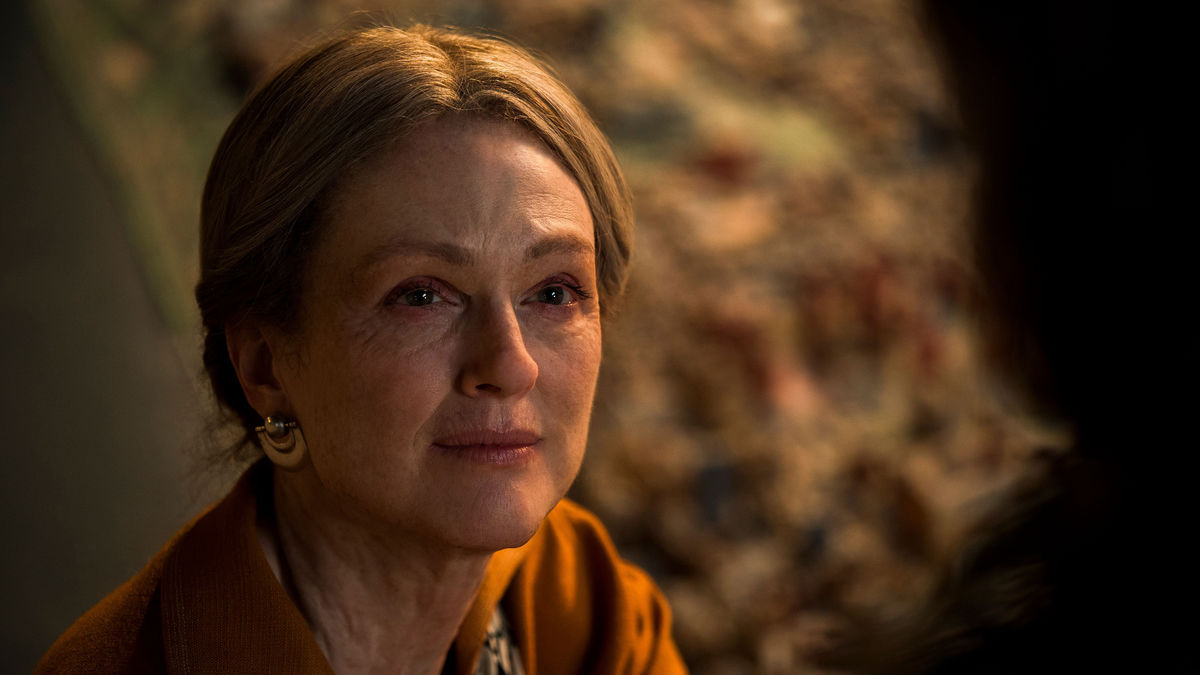
Haynes has never siloed himself into one categorization, and so it’s not a complete shock that he’d be able to provide a gentler touch to a family film. Adapted from the acclaimed novel of the same name by Brian Selznick (who also wrote the screenplay), “Wonderstruck” merges two stories set 50 years apart by lost children who seek out their parents; while the exploration of artistry, community, and disassociation is true to the rest of his work, Haynes made a blissfully sincere and heartwarming tale with “Wonderstruck” that could resonate with an audience the same age as his characters.
The issue is that Haynes is so infatuated with the sensibilities of Selznick that his ambitions outweigh the material. Selznick’s novel was written with a visual component that Haynes nails, but the interiority of the characters is limited based on their youth. While another Selznick novel, “The Invention of Hugo Cabret,” had been adapted into a film by Martin Scorsese, “Hugo” felt like a natural extension of its filmmaker’s interests in classic cinema, whereas Haynes’ ideas feel tangential to “Wonderstruck.” It’s by no means a misfire, but “Wonderstruck” is an interesting experiment from Haynes that doesn’t rank among the finest entries in his body of work.
8. The Velvet Underground (2021)
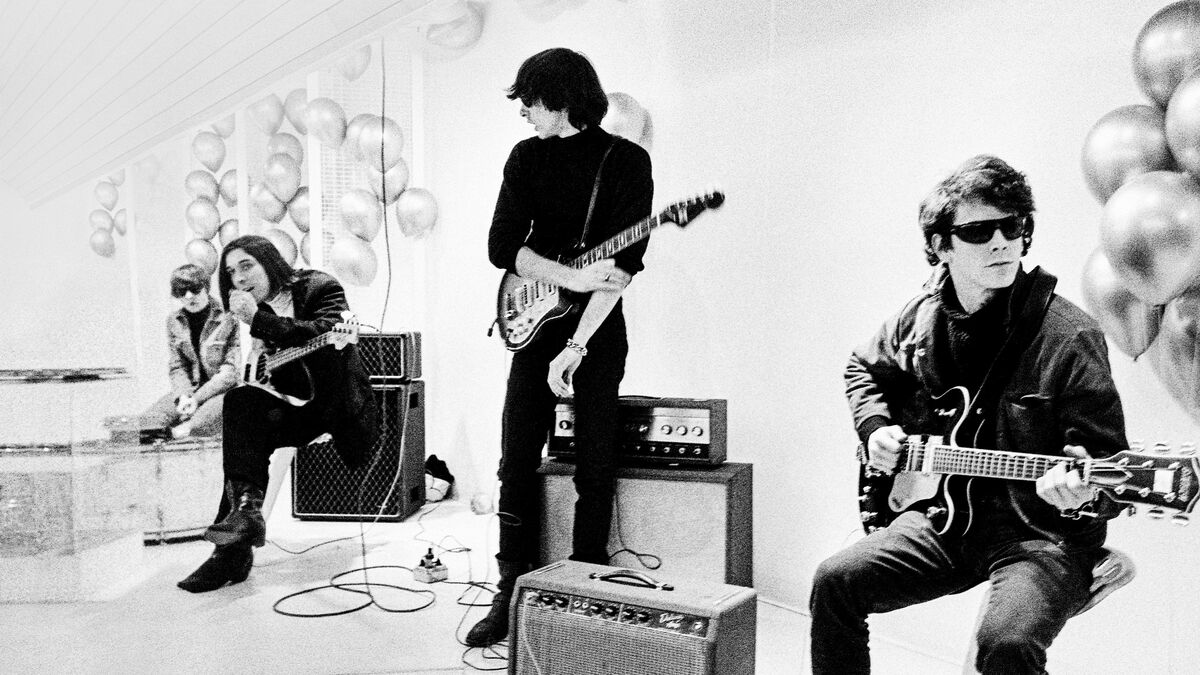
Haynes has such a longstanding association with the Velvet Underground that he was the perfect person to catalog their history in what would be his first feature-length documentary. While documentaries about famous musicians are often produced for streaming services, Haynes didn’t make the type of forgettable release that only skimmed through the band’s highlight reels.
“The Velvet Underground” is an impressionistic, tactile experiment that uses the band’s best records to tell the story of how punk and new wave music brought new sensibilities to America in the 1960s, where queer communities and anti-establishment sentiments were beginning to take shape. The titular band is merely the launching point for Haynes to catalog a broader history of how underground and experimental music has always been on the precipice of change.
While it’s impressive that Haynes was able to make something artful out of what could have easily been a thankless assignment, “The Velvet Underground” does require its viewers to have some degree of awareness of the band’s legacy and standing. At times, the existentialist ruminations that Haynes lifts directly from the band’s members feel divorced from the historical events being documented. It’s the rare case in which Haynes could have stood to be a bit more traditional.
7. Carol (2015)
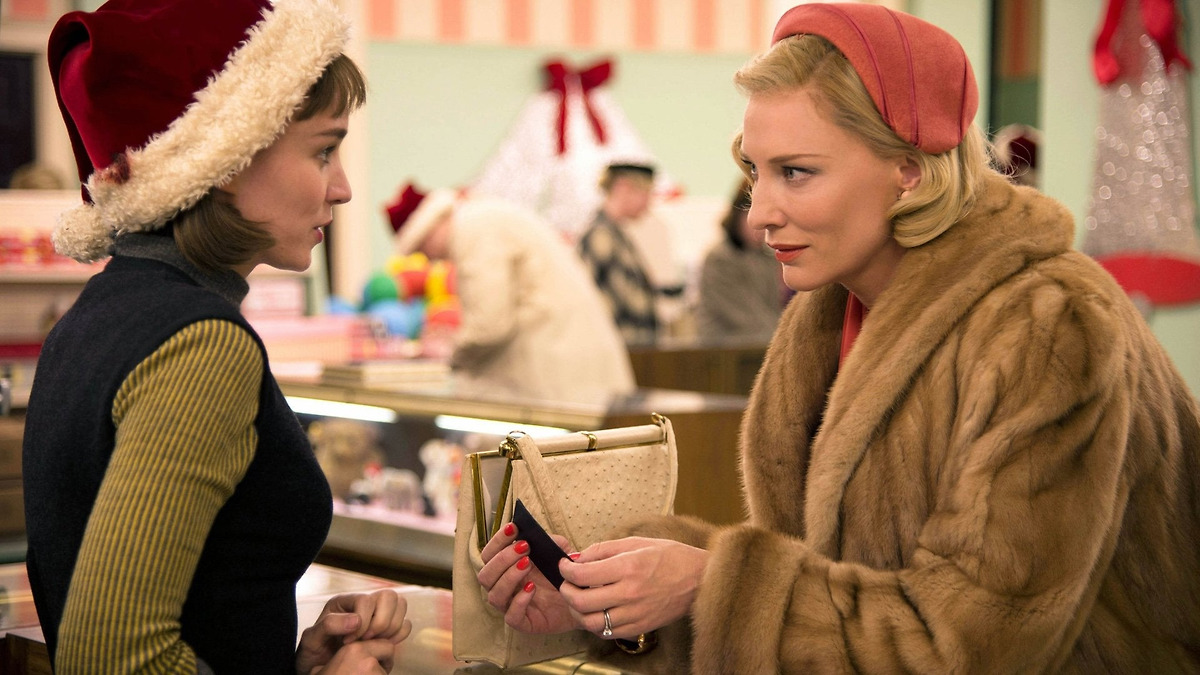
“Carol” is in many ways the most radical of Haynes’ queer dramas because it does not have the visceral, off-putting qualities of some of his more prickly work. It’s a straightforward romantic drama about the yearning between two women, who exist on the polar opposite ends of the class dynamic, and explores how the briefest of connections can leave behind a lifetime of passion. That “Carol” retains the 1950s setting of the original short story “The Price of Salt” isn’t just out of fealty to Patricia Highsmith’s source material, but to retain the classical sensibilities of the Golden Age romantic films it’s clearly drawing from.
The simplicity of “Carol” is its beauty, as both Cate Blanchett and Rooney Mara are able to express more with unsaid moments than most performers would do with a series of soapy monologues. Yet, the melodrama that Haynes so often uses for the sake of satire is almost entirely absent from “Carol,” even if there’s a glint of superficiality within the sinister performance by Kyle Chandler. “Carol” may have been seen as a towering achievement that marked a maturation on Haynes’ part, but it does sand off some of the rougher edges that made his previous work so idiosyncratic.
6. Dark Waters (2019)
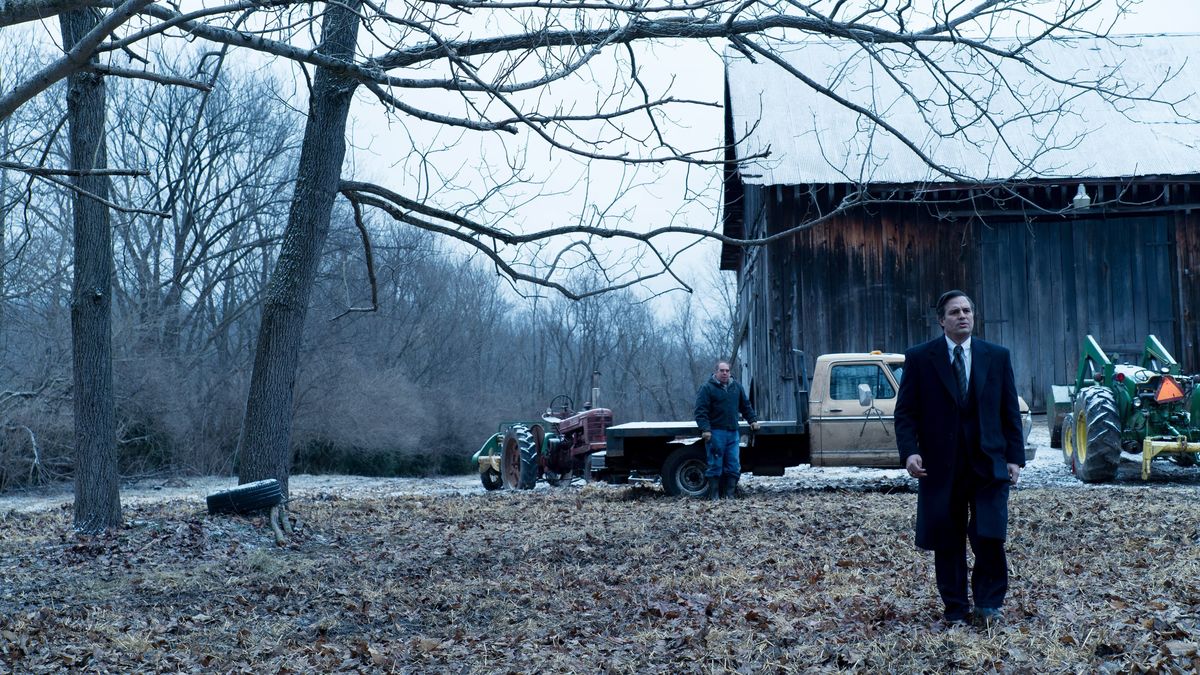
Haynes’ most underrated film went largely unnoticed during its initial rollout, perhaps because it was dismissed as a second-tier awards contender without a festival launch. In hindsight, “Dark Waters” is both a dramatic escalation of Haynes’ study of societal degradation and the most quietly ambitious project of his career in terms of sheer scope. By looking at how the former defense attorney Robert Bilott (Mark Ruffalo) came to serve as a whistleblower and advocate against the chemical manufacturing corporation DuPont, Haynes examines a generational assault on human livelihood that was hidden in plain sight.
While it has the trappings of a ‘70s conspiracy thriller, Haynes stages his observational sequences in a style not dissimilar from “Jaws.” Rarely has an environmental thriller felt so urgent and terrifying, and Haynes is able to look at how “Middle America” has been made to suffer for the incompetence, ignorance, and casual cruelty of corporations that have never been beholden to consequences.
Ruffalo, an advocate for many of the same political causes, draws upon his own convictions to give a deeply impassioned performance that fits squarely into the type of inspirational figures the world actually needs. He’s a man of principle who refuses to remain silent. It’s only a matter of time before “Dark Waters” is reclaimed as one of the most prescient films of the 21st century.
5. I’m Not There (2007)

Bob Dylan has had an electrifying life onscreen ever since D.A. Pannebaker’s iconic documentary “Don’t Look Back” crystallized the defiant humor and genius of his initial world tour. Dylan’s legacy is so massive that it would be impossible to distill it into a single feature, yet Haynes was able to at least touch on why he was an unrivaled spokesperson for America from the ‘60s to the present day.
Rather than attempting to graft an unusual man’s life onto a straightforward three-act structure, Haynes broke apart Dylan into the different personas that made up his significant era. Taking on the role of the singular artist is an eclectic cast that includes Christian Bale, Cate Blanchett, Richard Gere, Ben Whishaw, Marcus Carl Franklin, and the late Heath Ledger in one of his most unsung performances.
Dylan has never been entirely honest about his past, so it’s suitable that “I’m Not Here” is a combination of half-truths, folk tales, whimsical anecdotes, and straight up fiction. Haynes’ soundtracks are always terrific, but he deserves particular credit for his clever recontextualization of many iconic Dylan tracks. Ironically, the venomous “Idiot Wind” is reframed as a far more heartfelt, wistful single that defines the artist’s lonesome spirit.
4. Velvet Goldmine (1998)
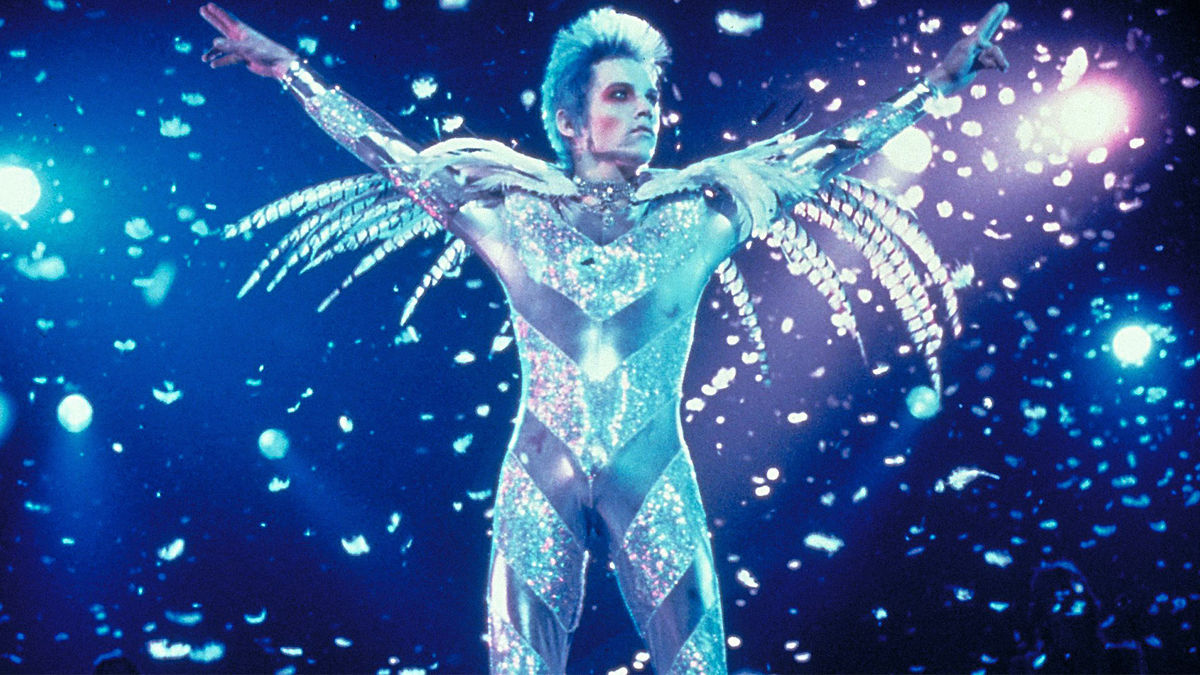
Haynes’ interest in making introspective, existentialist studies of influential artists predated his work with Dylan and the Velvet Underground, and existed at a time where he couldn’t actually get the rights to the artists in question. “Velvet Goldmine” is a tribute to the glam rock era that is ostensibly about David Bowie, but does draw in the influence of other artists such as Bryan Ferry, Jobriath and Marc Bolan. Although he wasn’t able to gain access to Bowie’s library, Haynes does encapsulate the impact that an androgynous, flamboyant rock icon had through the invention of an entirely original stage persona.
While the costumes and production design are as immaculate and eye-popping as the subject material required, Haynes’ brilliance was to make “Velvet Goldmine” a translation of a half-reported story. The journalist Stuart (Christian Bale) might be the narrator investigating the glam rock superstar Brian Slade (Jonathan Rhys Meyers), but the Iggy Pop-inspired punk rocker Curt Wild (Ewan McGregor) also intrudes to give his perspective.
The clash of expression, revelation, and transgression results in an overwhelming sensual experience where the truth is never as important as the feelings that are derived. Given the cult subjects that “Velvet Goldmine” is centered on, it’s fitting that it was a box office bomb that inspired a deep fandom years later.
3. May December (2023)
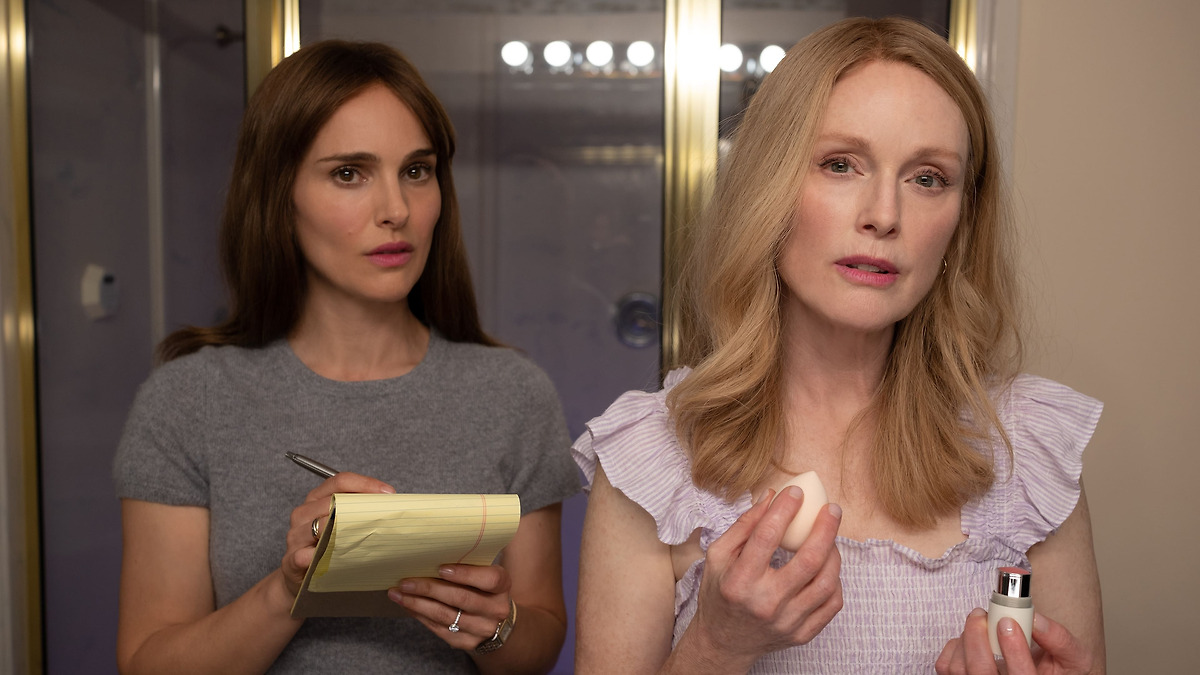
In another ostensibly original story with a strong correlation to an infamous news story, Haynes made his most complex, probing analysis of lurid storytelling. Haynes takes a ‘90s tabloid story and ages it up to the modern day, examining how nostalgia for scandal has blinded any real thought of ramifications. The controversy over the inappropriate relationship between a former teacher (Julianne Moore) and a 13-year-old (Charles Melton), who were married shortly after her release from prison, opens up a hotbed of issues regarding gender, class, race, and familial trauma.
That these stories have been gobbled up by the media for exploitative reasons gives Haynes the perfect avenue to utilize melodrama for the sake of dramatic irony, as the narrator of “May December” is an actress (Natalie Portman) cast to play the admitted sex offender. Although “May December” is ruthless in how it analyzes the rot of the privileged elite of the “Deep South” and their campaign of whispers, it’s also remarkably candid in showing empathy to every character involved, with Melton in particular giving a remarkable performance that should have earned him an Oscar nomination. That “May December” is so thoroughly nasty, tragic, and uproarious at once is why Haynes’s mastery of tone is so distinguished.
2. Far From Heaven (2002)
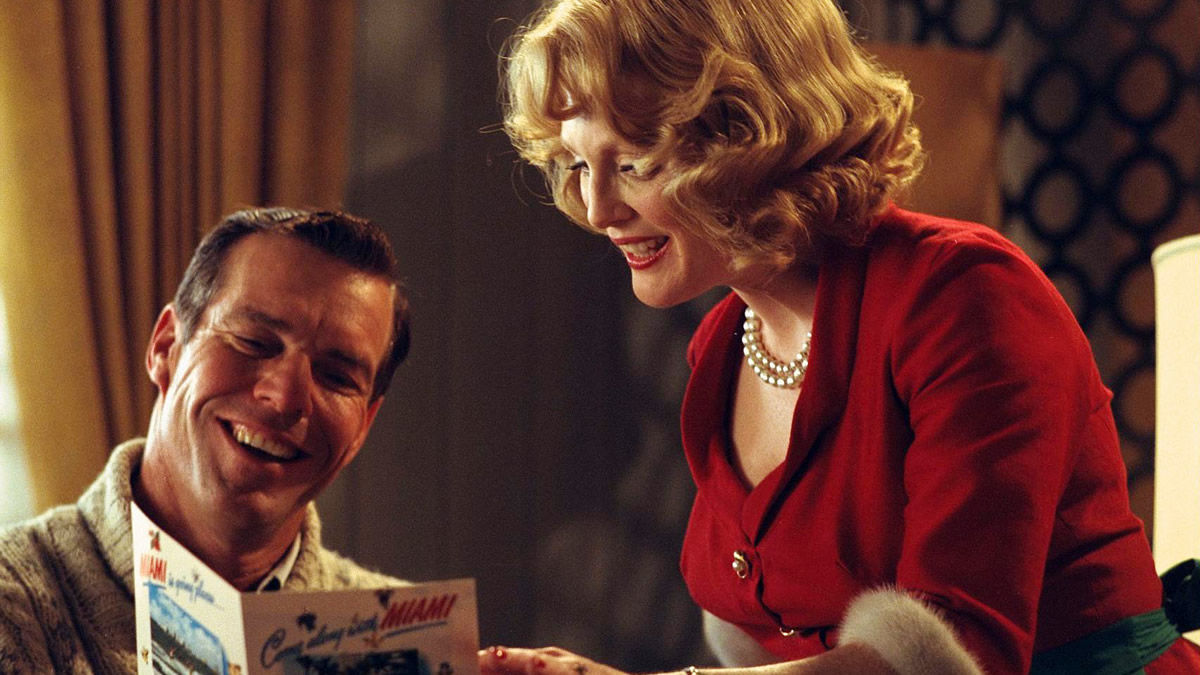
“Fare From Heaven” is an homage that so thoroughly deconstructs its inspiration that it becomes transcendent, evolving into a new genre that unpacks previously unexplored ideas. Set in Connecticut of the 1950s, “Far From Heaven” draws from the melodramas of Douglas Sirk to tell the story of a seemingly idealistic American couple torn apart by their private inhibitions. Frank (Dennis Quaid) has struggled with homosexual desires and attempts to “cure” himself through therapy, but his lack of affection causes his wife Cathy (Julianne Moore) to yearn for her African American neighbor Raymond (Dennis Haysbert).
It’s not just that these characters are forced by society to feel shame for their true desires, but they have never known a world in which these feelings are voiced. The struggle at the heart of “Far From Heaven” isn’t just to elude the indignity of scandal, but to complete the process of self-actualization.
Haynes’ relationship with Moore is one of the great filmmaker-performer dynamics, and Moore is able to conjure a performance that tributes ‘50s icons whilst also developing a deeper interiority. Quaid’s casting is a brilliant subversion of his machoistic screen persona, but the film’s best performance is from Haysbert, who gives autonomy to a character who was completely silent in the era that Haynes is drawing from.
1. Safe (1995)
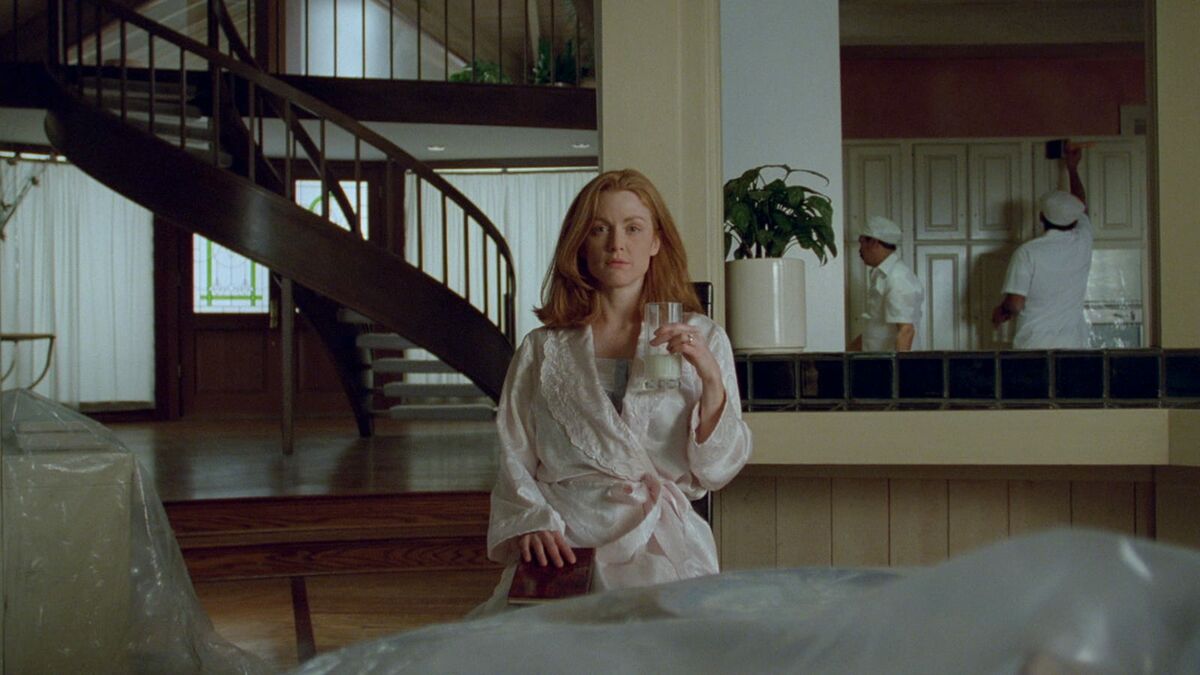
“Poison” was technically Haynes’ first film, but he truly announced himself with “Safe,” which was both his first collaboration with Moore and a thesis for the ideas he would come back to for the rest of his career. On its surface, “Safe” is a simplistic narrative about a woman convinced that she has developed extreme health symptoms as a result of exposure to dangerous chemicals. Whether this should be taken as legitimate, metaphorical, or an expression of her unresolved anxiety isn’t as important as the nauseating process Haynes shows of a woman slowly losing grip on reality as she falls into a culture of self-serving help groups and pseudo-science conspiracies.
The fear critical to “Safe” is in the title, as the film looks at the warped mindset of never being secure in one’s home, body, community, or consciousness. The allusions to class disparity, socialized misogyny, and the “unspoken” suffering of AIDS victims are strong, but “Safe” never becomes so iconoclastic that it denies Moore the chance to build a complete character.
While “Safe” was a defiant work of counter-culture that pried into private issues when it debuted to unsuspecting moviegoers in 1995, thirty years have transformed it into a prophetic and deeply moving examination of victimization and the weight of responsibility felt by those most affected.