There is a quiet shift happening in the hearts of film and television audiences. It is not loud or trending on billboards, but it is real. After years of being flooded with capes, multiverses, explosions, and endless sequels, many viewers are beginning to crave stories that prioritize emotional depth and authenticity. They want stories that do not rely on spectacle to feel meaningful. They want stories about people, choices, consequences, and about life. To meet this demand, filmmakers should explore ways to embed genuine human experiences into blockbuster narratives, ensuring emotional resonance remains central.
Human stories do not compete for attention with noise. They earn it through emotion. They do not ask us to look away from our own lives but instead invite us to see them reflected in us. A film about grief, love, regret, redemption, or survival does not come with flashes of color or earth-shattering effects. It comes with something else, something rarer: Truth. Recognizing this truth makes the audience feel respected and trusted, deepening their emotional engagement.
Recently, the acclaimed true story of how people migrated west, Horizon, debuted at No. 7 on the Global Top 10 streaming chart for the latest weekly period ending Jan. 6, with four million views, equating to twelve million hours viewed (Forbes). Truth shows itself in silence in a glance that pours out unsaid emotion. In a conversation that arrives too late. Or in a person who tries and fails and tries again. When a movie or television show lets these moments breathe, audiences feel it. They recognize it. And that recognition stays long after the screen goes dark.
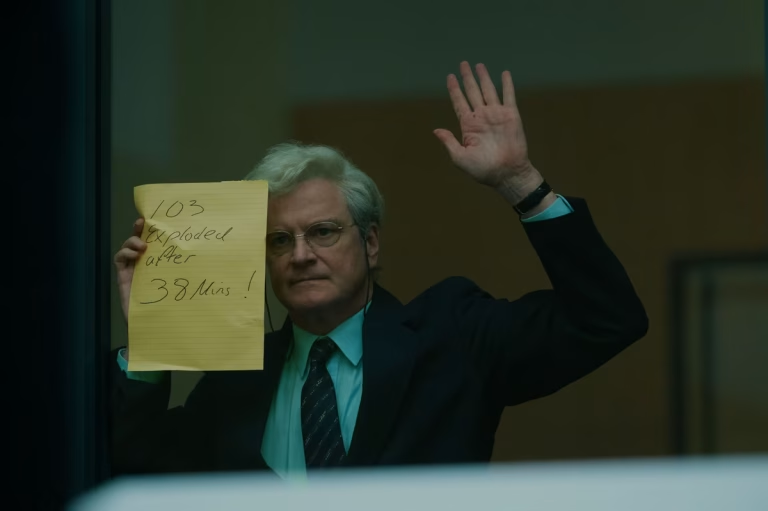
One of the strongest recent examples of this kind of storytelling comes from the film “Manchester by the Sea,” written and directed by Kenneth Lonergan. This is not a film about overcoming tragedy or turning pain into strength. It is a film about how grief settles into the bones and how sometimes it never leaves.
The story has no grand speeches. No dramatic soundtrack swelling beneath emotional scenes. Just a man broken by guilt and unable to outrun it. Critics praised the film for capturing emotional changes, identity, and the isolation from past happiness. The emotional power of the film comes from its restraint and its truth. This approach makes the audience feel respect and admiration for the honesty portrayed.
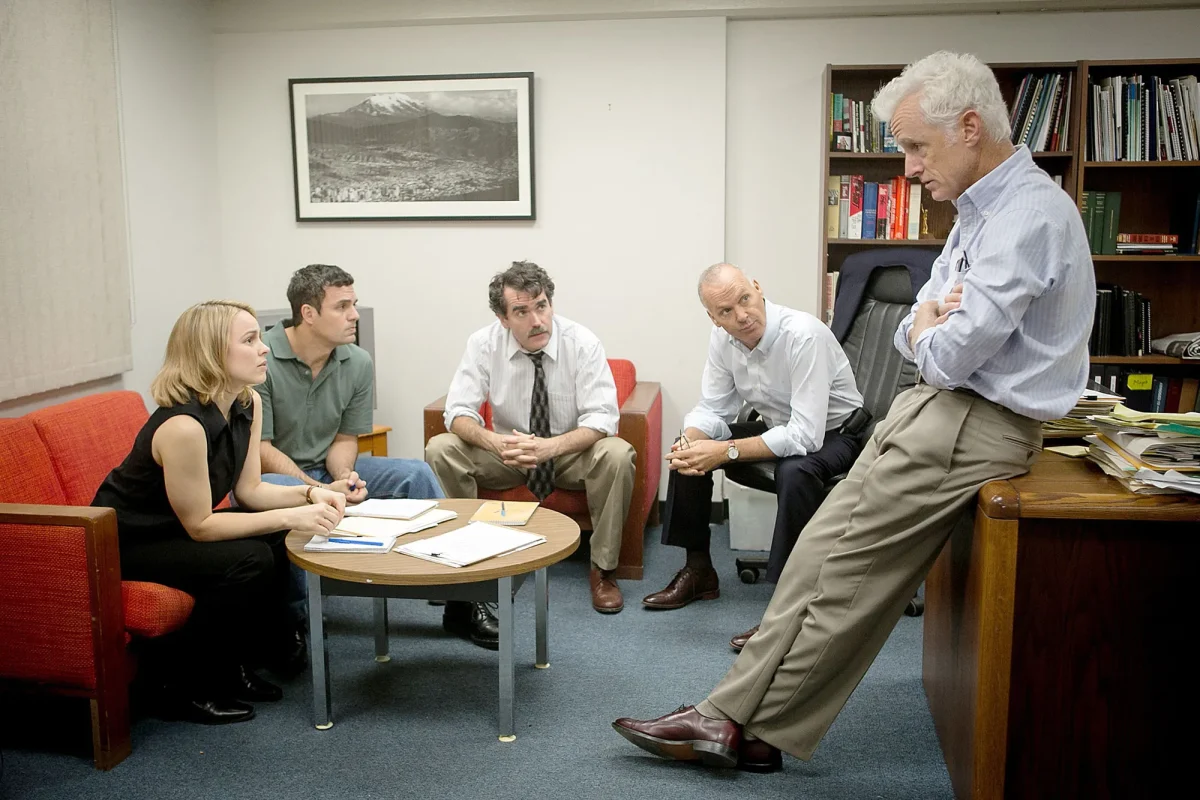
Another powerful example of deep human storytelling is “Spotlight.” This film follows a group of reporters at The Boston Globe as they slowly uncover the truth about abuse within the Catholic Church. It is quiet, patient, and devastating in the way only real life can be. You watch ordinary people do something extraordinary simply by refusing to stop asking questions, and by the end, you realize the story is not just about journalism.
It is about courage, conscience, and the cost of finally telling the truth. The film shows the emotional weight of confronting survivors, the frustration of institutional silence, and the moral responsibility of exposing the truth. The power of ”Spotlight” comes from watching ordinary people commit to extraordinary honesty.
Read More: 20 Great Drama Movies of World Cinema
These stories resonate because they trust the audience to feel the depth of human complexity and the weight of choices, fostering empathy and understanding. And that is precisely why human historical stories are also in high demand.
A couple of recent, high-profile films based on real history have proven that audiences will still show up when the story is grounded in truth and emotional depth. “Oppenheimer” pulls viewers inside the mind of a brilliant man wrestling with ambition, guilt, and the weight of creating something that could change the world for better or worse. “Oppenheimer” is a film about personal internal conflict and the emotional cost of decisions that can never be undone.
Likewise, “Killers of the Flower Moon” confronts a painful chapter in American history and does not look away. The story reveals how far a person will go to betray another for money. It tells a story of injustice and survival with raw honesty, asking the audience to feel the tragedy rather than observe it. Together, these films tell real stories when told with care and courage and move audiences.
True history told through human experience gratifies a desire for authenticity, making the audience feel respect and appreciation for genuine storytelling. Filmgoers are pushing artificial intelligence into the back seat, not because they reject technology, but because they fear losing the human heart of storytelling. Audiences do not go to movies to watch fantasy imitating emotion. They go to feel something real.
While AI can assist with visuals and streamline production, it can also reduce costs. AI cannot replace instinct, memory, or emotional truth. Viewers can sense when a story is built from lived experience rather than calculation. Films like “Avatar” demonstrate that audiences are not anti-technology when it serves the story rather than replaces it. Director James Cameron used revolutionary digital effects to create a world audience had never seen before, but what made the film soar was its deeply human core centered on identity, family, and belonging.
The technology did not create emotion; rather, it carried it. According to an interview published by The Hollywood Reporter, Cameron emphasized that the emotional anchor of “Avatar” was always the characters and relationships, not the visual effects, reinforcing that technology succeeds only when it amplifies human connection rather than overshadowing it.
Films like “Schindler’s List” do not present history as a lecture. They show it as breath. Steven Spielberg’s film focuses on the humanity within horror. The story centers on Oskar Schindler’s transformation and the people he saved during the Holocaust. Instead of overwhelming the viewer with numbers, the film anchors the tragedy in faces, names, and moments of terror and courage. It transforms history into memory and responsibility.
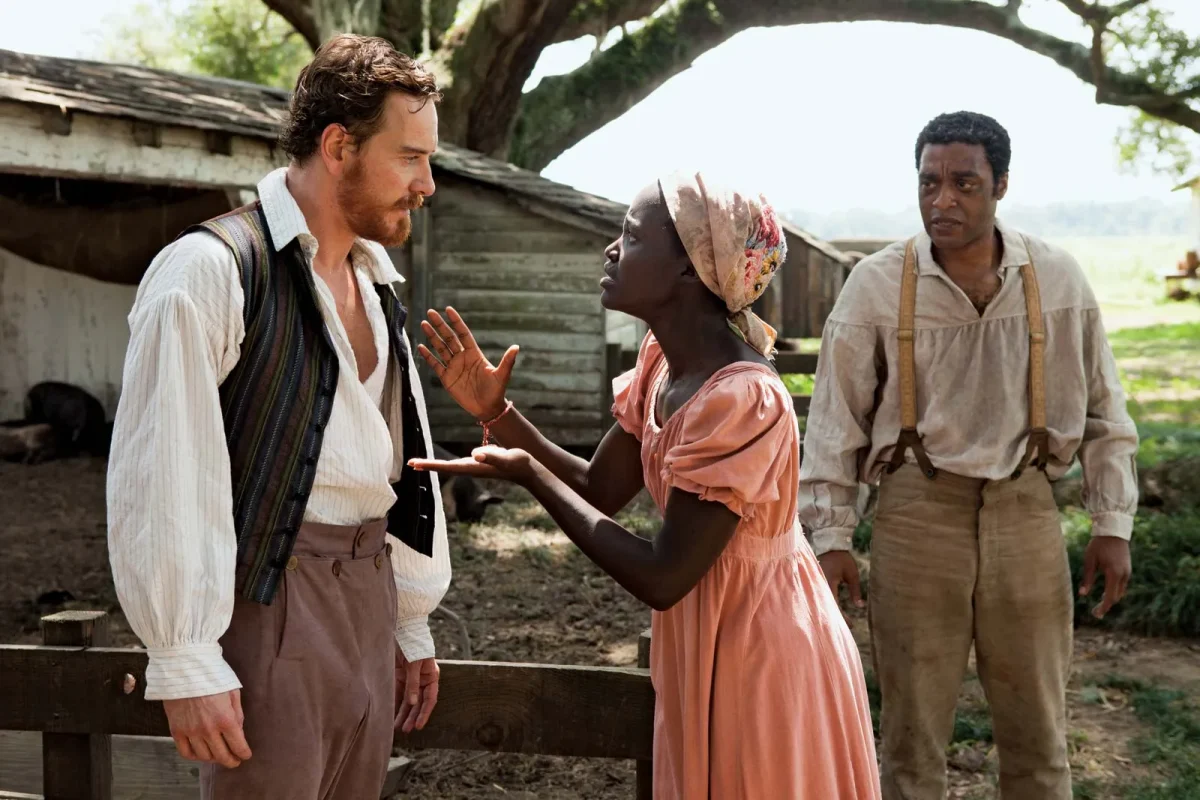
Similarly, “Twelve Years A Slave” personalizes American slavery by telling the story of Solomon Northup, the true-life story of a free Black man who was abducted and sold into slavery. The film follows his endurance, his dignity, and his suffering. It does not shy away from brutality, but it never treats violence as entertainment. The emotional weight lies in what is taken from him, including his freedom, his family, and his identity. The film earned praise for honoring the historical record while focusing on its humanity.
Also Check Out: 10 Thrilling 3-hour-long Movies Like Oppenheimer That Are Worth Watching
Historical storytelling becomes even more powerful when filmmakers commit to accuracy rather than convenience. The BBC series “The Crown,” while dramatized, has sparked widespread interest in twentieth-century British history. Its strength lies in humanizing figures who were once seen only as symbols.
The show reveals the emotional toll of leadership, duty, and personal sacrifice, encouraging viewers to see history not as a sequence of headlines but as a series of lives impacting one another. People do not just watch these kinds of stories. They think about them, talk about them, and even go looking for the real history behind them. That is a deeper kind of connection, the kind that sticks.
When fantasy takes over, and real emotion takes a back seat, something gets lost. Superheroes stop feeling human. The stakes feel hollow. If no one can utterly lose, suffer, or change, then nothing really matters. And eventually, viewers feel it. Human stories do the opposite. Choices carry weight. Guilt lingers. Joy feels fragile. Characters feel real because they are flawed. The fatigue with superhero movies is not just about bad scripts or too many sequels. It is emotional burnout. Constant noise, nonstop danger, and sky-high stakes leave no room to breathe. People want stories that slow down, hit deeper, and mean something.
Human stories restore balance. They slow the pace, sharpen focus, and remind us that life’s most significant battles often happen behind closed doors. And audiences respond. Festival favorites and award winners tend to be built on character rather than spectacle. Independent films usually grow their strongest audiences long after release, not through marketing budgets but through emotional word of mouth. The same is true for television. Viewers return to deeply written series repeatedly, not for visual effects, but because the characters feel real and the stories feel personal.
Hollywood is both a business and one of the most potent storytelling forces in the modern world. What it puts on screen becomes part of how society remembers love, loss, courage, and conflict. The stories it chooses influence how generations understand themselves and their history. Just as powerful is what Hollywood leaves out. When certain truths are ignored or softened, they quietly vanish from public memory.
Silence can erase as thoroughly as time. When movies trade real emotion for empty spectacle, you feel it. The story does not stick, the characters fade, and nothing lingers once the credits roll. But when a film trusts you with honesty and depth, it stays with you. You keep thinking about it. You talk about it. You feel it.
That is the power of human storytelling. It does not shout for attention; it earns it. It does not rely on explosions or effects; it depends on the truth. Hollywood does not have to ditch fantasy, but it does need balance. Audiences want stories that feel real. They want joy that is earned, pain that’s honest, and characters who feel human. The stories that last are not about saving the world. They are about saving love, dignity, or hope. And those are the stories people are craving right now.