
“Payback” (1999) is a movie that feels like it has a strange pace to its narrative, but it somehow works. Starring Mel Gibson as Porter, the man finds himself betrayed by his wife, Lynn, and his partner, Val Resnick, shot and left for dead, after a heist gone wrong. His pursuit to recover the exact money that he believes he’s owed fuels the narrative. This film riffs on classic noir morals, where justice is always personal, and revenge is a dish best served cold. One thing I like about this movie is that it feels like the protagonist can get himself out of any situation.
A big element that sets “Payback” apart from typical action fare is its narration, an inner monologue delivered by Mel Gibson, that channels neo-noir detective sensibilities, while also bringing a fresh approach. Another strong element of this film is its supporting cast. “Payback” features a slew of character actors who act as iconic foils throughout Porter’s journey. A standout of this film is Lucy Liu’s performance as Pearl. She brings joy in this film with her facial expressions. The comedic timing is gold, especially in the end scene with the guns, and I caught myself genuinely laughing at the comedic aspect of it all.
Payback’s aesthetic is a major strength. Shot with a desaturated palette, punctuated by muddy blues and greys, the film evokes a contemporary landscape, brought through a bleached bypass process. Critics and viewers alike have noted how the lighting and mise-en-scène echo classic noir motifs: back alley shadows, murky interiors, rain-splashed streets, and morally dubious characters around every corner.
This visual strategy deliberately connects the film to a lineage of noir cinema, not just thematically, but through cinematography. “Point Blank” (1967), based on the Parker novels (like “Payback”), is regarded as a post-noir masterpiece that brought a stark, stylized violence and existential cool to the screen in the 1960s. If “Payback” is a modern echo of that tradition, it uses color this time, rather than black and white, to convey its world, proving that the core of film noir is atmosphere and moral ambiguity. A director’s cut of this film was also released, but I prefer the original as it does a better job of capturing the neo noir aesthetic. This is a rare case where the director’s cut is not necessarily a better version.
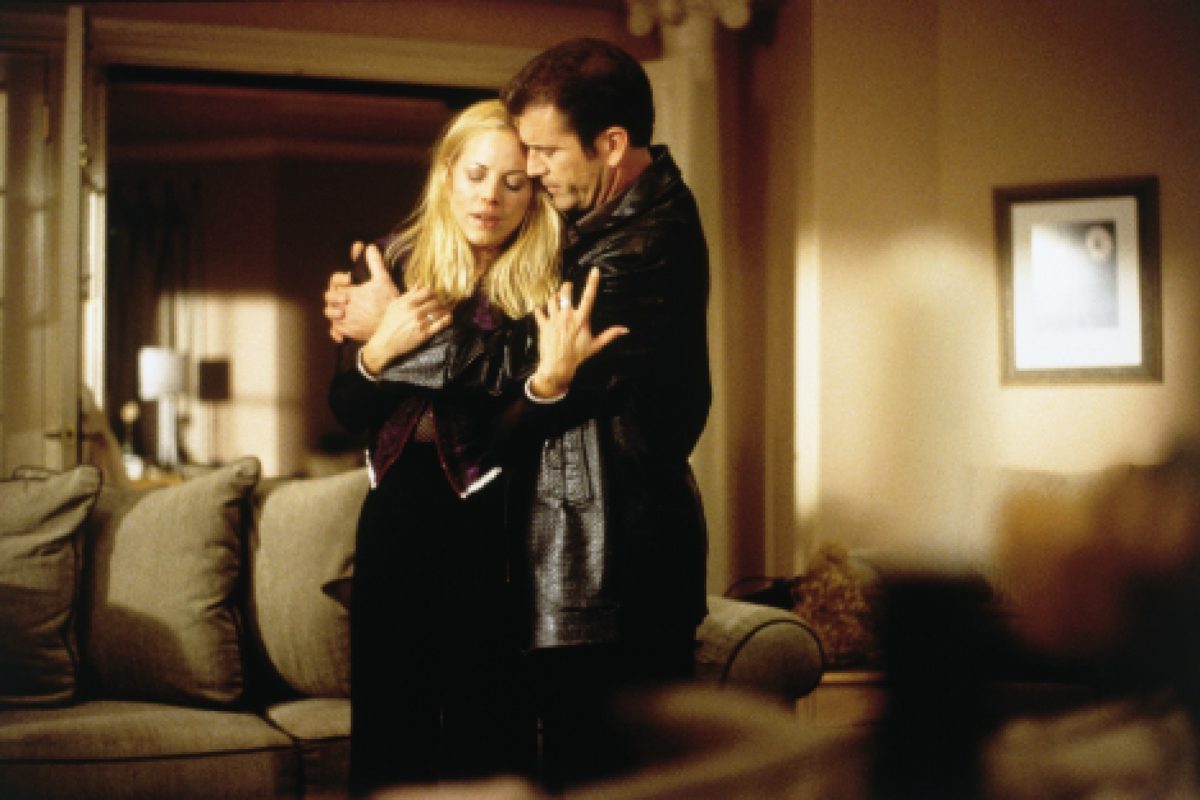
Porter stands shoulder to shoulder with some of the great heroes of crime cinema. He embodies a gritty code and is oddly principled about getting what he’s owed. What more could a noir fan want? This aligns him with characters like John Hartigan from “Sin City” (2005), another quintessential noir figure who operates in an ethically compromised world, or Arkin from “The Collector” (2009), in his no-nonsense attitude when it comes to escaping.
A big reason why “Payback” works is the soundtrack. The music heard in the opening scene sets the tone throughout the whole film. The soundtrack conveys a 70’s style. We soon learn that Porter must deal with The Outfit, an organized crime syndicate with a lot of power, if he wants the possibility of getting his money. But we also soon learn that nothing gets in the way of Porter and getting what he is owed, making this film entertaining from start to finish.
One of my favorite scenes in the film is halfway through it when Porter confronts The Outfit’s mid-level bosses in their sterile, corporate-style headquarters and calmly explains that he only wants his money back. Nothing more. The tension of this sequence is perfectly balanced. Instead of asking for a bigger cut or trying to climb up the criminal ladder, Porter stubbornly repeats the exact amount he’s owed, confusing and irritating the higher-ups who are used to greed and negotiation. I liked the mysterious nature of The Outfit; it makes for an interesting antagonist in this movie.
The setting itself is part of the joke, as organized crime is presented like a bland corporate office, complete with procedure and hierarchy, which Porter bulldozes through with his blunt logic. Gibson plays the moment with icy restraint, making Porter feel like a fixed variable in a system that expects compromise. It almost feels like a dialogue tree in a video game where the player keeps selecting the same response, forcing the system to adapt. The scene reinforces the film’s central character trait: Porter isn’t driven by ego or chaos, but by a personal code, and it turns what could have been a standard mob meeting into one of the film’s most memorable exchanges. The movie is filled with recurring jokes like this, particularly about the money owed, and every time it gets funnier.
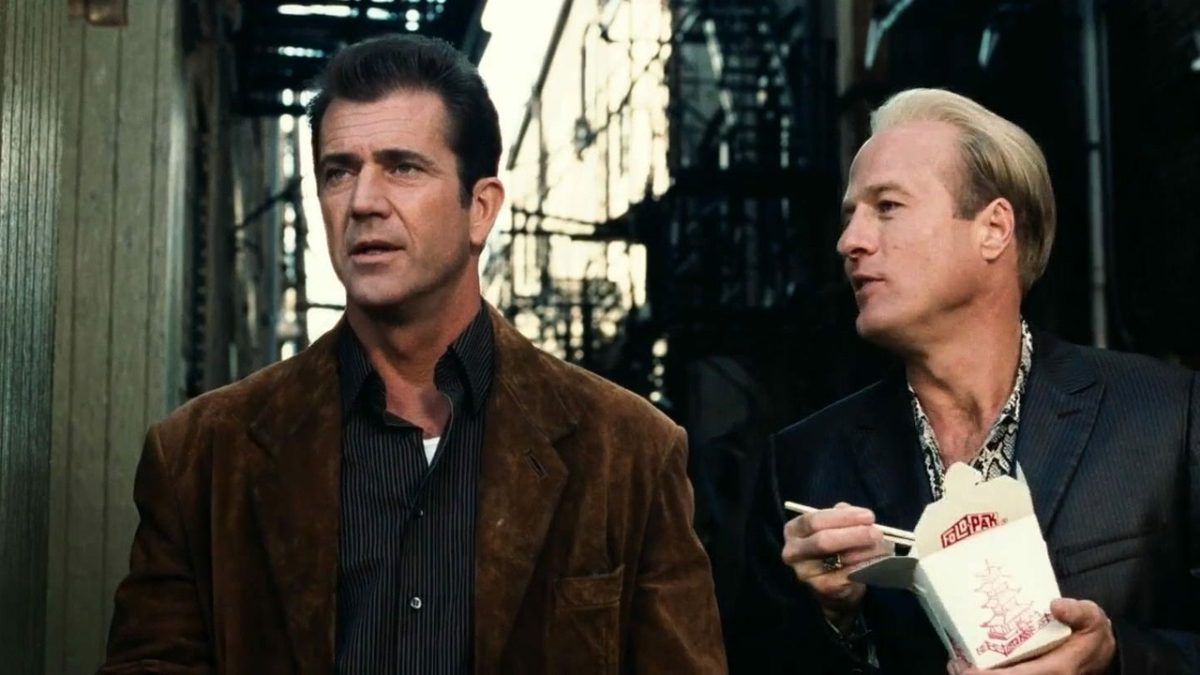
It’s no accident that players on internet forums compare Payback’s opening and tone to the prologue of “Grand Theft Auto.” In both, we see a cold-blooded criminal awakened into a world of betrayal and violence, narratively poised to climb back up. The “GTA III” prologue draws direct lines, thematic and emotional, to Payback’s storytelling rhythms: betrayal, survival, and a lone protagonist who trusts no one.
This is significant because it shows how “Payback” resonates beyond cinema into video games and broader pop culture. The hard-edged voice and atmosphere lend themselves perfectly to interactive storytelling, where players themselves inhabit worlds shaped by moral ambiguity. As Porter says towards the end, “We went for breakfast…in Canada. We made a deal. She’d stop hooking, I’d stop shooting people…maybe we were aiming high.” I would say that it’s the unforgettable dialogue like this that defines the strange tone of this movie.
Behind the scenes, “Payback” has an equally fascinating production history that I think helps explain its unique tone and pacing. The film underwent significant reshoots after the studio pushed for a more commercially appealing version. The editing style also plays a big role, with sharp, deliberate cuts that keep the narrative moving even when the plot itself feels unconventional or a bit disjointed. Moreover, the sound design from Chris Boardman leans into a stripped-down feeling that mirrors the film’s minimalist revenge structure. All of these elements, from the altered production path to the stylized cinematography and editing, contribute to a film that feels both controlled and a bit erratic, like two different creative visions colliding into one final product.
Looking beyond the noir style, it’s interesting to consider “Payback” in the broader landscape of Mel Gibson’s career, particularly when compared to his masterwork “Apocalypto” (2006), a visually striking, culturally epic film that’s a far cry from the noir style. I would also recommend watching “Conspiracy Theory” (1997), also written by Brian Helgeland. In the landscape of late 90s cinema, “Payback” stands as a rich and rewarding neo-noir revenge thriller. More than money, Porter chases a personal code in a world that’s otherwise lost its moral bearings. That singular focus, wrapped in its gritty visuals, sharp narration, and uncompromising revenge, ensures “Payback” remains not just rewatchable, but it is worth revisiting for fans of action cinema and noir alike. It’s a revenge movie that has captured vengeance before films like “John Wick” existed.


![Mahishasur Marddini [2022]: Mirroring Society’s ‘Male’ficent Mindset](https://www.highonfilms.com/wp-content/uploads/2022/03/8-768x512.jpeg)

![Bali: The Victim [2021] Review: This Vishal Furia film stumbles to make an impact](https://www.highonfilms.com/wp-content/uploads/2021/12/Bali-Vishal-Furia-768x432.png)
![A White, White Day (Hvítur, Hvítur Dagur) [2019]: ‘TIFF’ Review – A Cold Soul Longing for an Answer](https://www.highonfilms.com/wp-content/uploads/2019/09/A-White-White-Day-768x384.jpg)