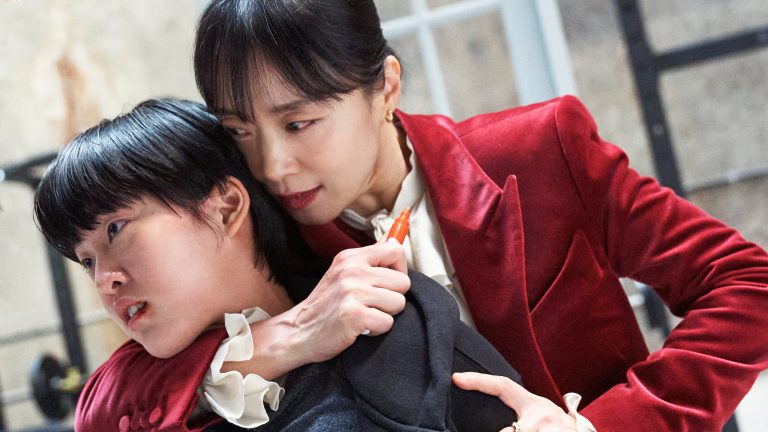
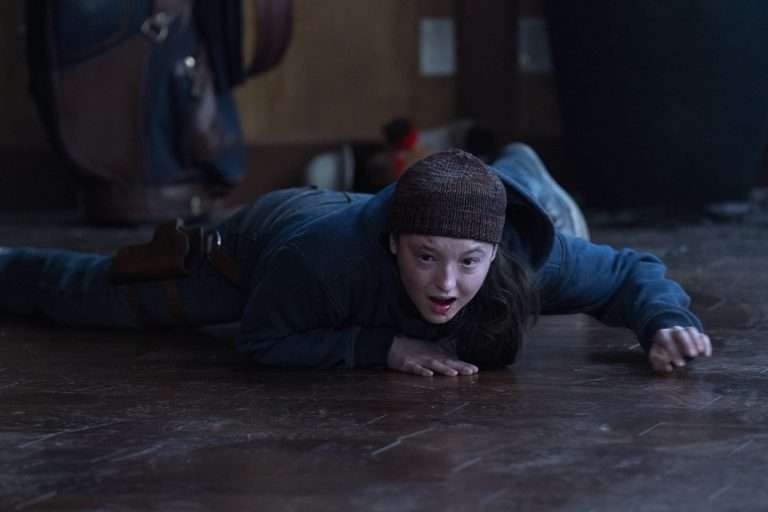
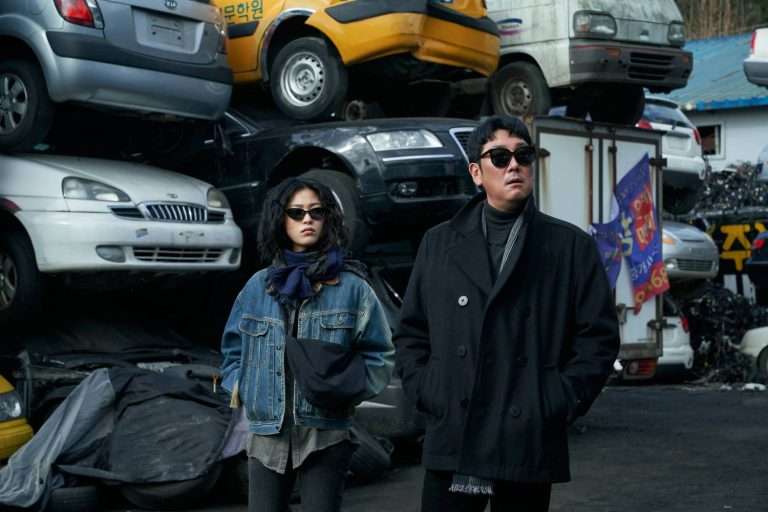
Cultural understanding often begins with a journey of observation, comparison, and learning. This time, I set out on an odyssey through Georgian and Korean cinema, tracing my personal path toward discovering the shared sentiments and aesthetics between the two cultures. At first, one might wonder how far these similarities can go in covering the distance from the Caucasus mountains to the Taebaek range. However, realizing the power in a collective memory quickly dissolves the fog. Pain, oppression, pride, and victory shape memories that are mirrored in the artistic worldbuilding, in this case, cinema.
Though both industries emerged in the early 20th century, Georgian cinema is slightly older, with its first film being produced in 1912, “Journey of Akaki Tsereteli in Racha-Lechkhumi”. It was followed by the country’s first feature film, “Kristine”, which was shot in 1916. After a short independent period from the Russian Empire (1918-1921), Georgia’s filmmaking continued during the Soviet era under strict censorship. Meanwhile, when the world was experiencing the birth and the development of cinema, Korea was a Japanese colony.
After WWII, Koreans barely had enough time to celebrate their freedom before civil war broke out, leaving the country with two separate republics. There are debates as to which one is Korea’s first film. Today, the official version is “Righteous Revenge”, released in 1919 and directed by Kim Do-san, though it is a combination of film and stage play. Some dismiss the idea because of the film’s cameraman being Japanese. Georgian movies and Korean movies may differ in many ways, but in fighting the oppression against their culture, they share emotional and cultural sensibilities that enrich their filmmaking languages.
Certain cinemas recognize each other emotionally. I experienced this firsthand as a Georgian filmmaker who got introduced to Korean movies, and later, through the creation of my short film as an attempt to explore how seamlessly these two visions could be blended together. Without further ado, let’s check out these elements.
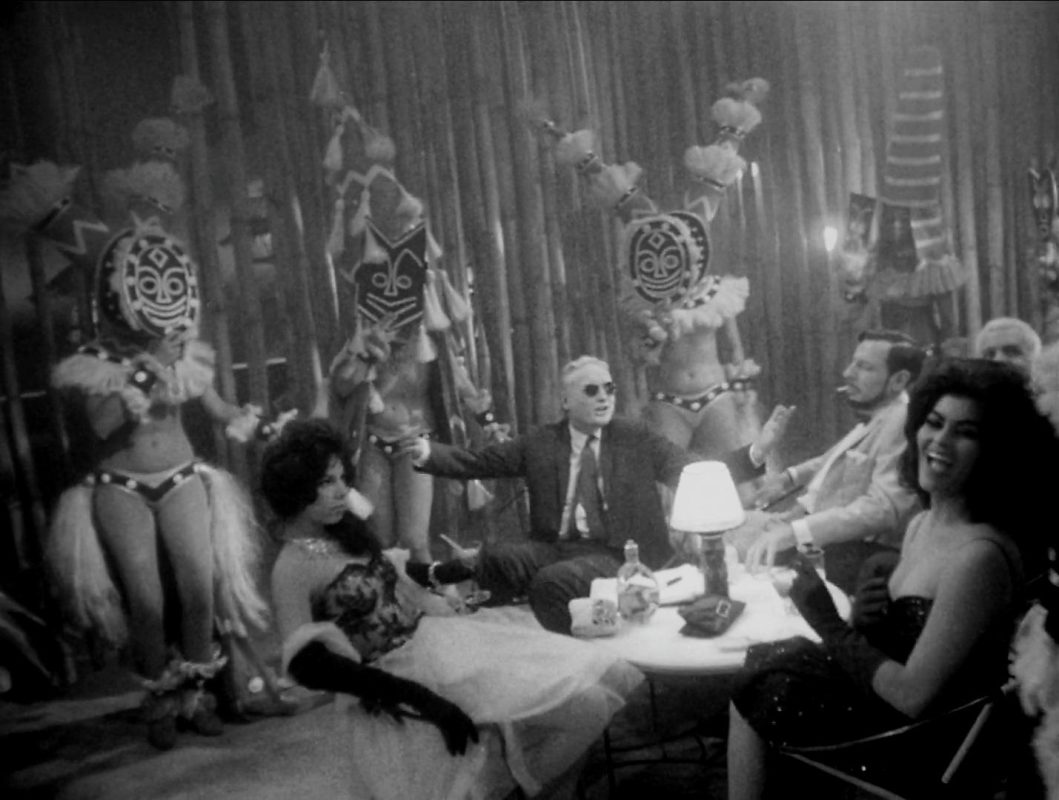
The first similarity that stood out to me was how both nations managed to stand out within their respective regions. The only Soviet film to ever win the Palme d’Or at Cannes was directed by Georgian-born filmmaker Mikheil Kalatozishvili, who later changed his name to Mikhail Kalatozov (“The Cranes Are Flying”). “I Am Cuba” is another of his masterpieces, and its cinematography is currently being taught in film schools all around the world.
Check Out: The 30 Greatest Cannes Palme d’Or Winners of All Time
Decades after colonialism and war, Korean cinema had its own breakthrough. The 1990s were a decade of award-winning films and, at the same time, a general economic crisis. Perhaps if I have to choose, I would mention “Sopyonje” directed by Im Kwon-taek, which marked the start of international recognition for Korean cinema. With excellent music and cultural notes, the film carries patriotic sentiment, and it’s not surprising that it became a national phenomenon. Fast forward to modern times, the Korean film “Parasite”, directed by Bong Joon-ho, became the first non-English language film to win Best Picture at the Oscars.
Before the ‘glory’, however, both Georgia and Korea endured periods of state violence and ideological repression. Their collective memory was shaped by dictatorship and post-war trauma. Nevertheless, filmmakers’ strong will to speak up and showcase their cultures’ treasures led them to make anti-government movies. Some of them were denied or lost, but some of them were released and left the footprints of bravery.
And how can we begin to talk about the protest of Georgians without mentioning wine? Being a homeland of it and having an eight-thousand-year-old history of winemaking, it was the perfect way to express tradition’s resistance to the regime. “Falling Leaves” by Otar Iosseliani showcased the soviet system as a soulless mass production machine that destroys quality. The main character, Nico, tries his best to prevent bottling an unfinished, bad wine.
The factory simply wants to fulfill the production quota according to an order. Iosseliani’s film criticizes not only the regime but also those who obediently follow absurd rules and remain silent. “Falling Leaves” was banned in Georgia due to showcasing Georgian culture badly. Russians thought the film would be good for them and sent it to Cannes, where it actually won the FIPRESCI prize. I think this was a wonderful irony to the whole thing.
Now, another Georgian movie that I’d like to point out here was frequently compared to one of my favourite writers, Franz Kafka’s “The Trial” – “Blue Mountains, or Unbelievable Story” by Eldar Shengelaia. This movie is the perfect example of how Georgians, much like Koreans, lean towards allegorical satire and comedy. Shengelaia’s movie exposes bureaucratic inefficiency that leads to its ultimate collapse. The main character is a young writer, another similar pattern of using youth as a symbol of resistance seen in Korean anti-regime films, who brings his story to the editorial office, but nobody pays attention.
Koreans had much to protest against as the Japanese strongly oppressed their culture. Korean history and language were banned in schools, not to mention the law that forced filmmakers to produce pro-Japanese films. To me, it was brilliant how Koreans used traditional themes for expressing resentment towards the regime, yet again, similar to Georgians using wine.
A notable filmmaker in this regard would be Na Un-gyu, whose “Arirang” (1926) smartly used feudal and peasant dispute for expressing resistance to Japanese rule. However, his history is a little complicated due to the fact that later he created several pro-Japanese movies that would cause dissatisfaction among the public.
Nevertheless, his work clearly created a pattern of a number of anti-Japanese films from other filmmakers. Unfortunately, Korea went through a number of political regime changes. Thus, the “villain” was changing, but the fighting purpose was all the same – freedom. “The March of Fools” would resonate with Georgians really well, as it shares the satire to depict an authoritarian regime that condemns individuality and encourages submission. This movie was shot when any criticism of the military dictatorship was banned. I think this movie demonstrates Korean cinema’s mastery of romantic drama.
Beyond politics, mutual elements lie in tone. Both Georgian and Korean cinemas often lean toward quiet melancholy, moral introspection, and landscapes that help bring their characters to the fore. In Lee Chang-dong’s “Poetry” and Tengiz Abuladze’s allegorical works, silence carries more weight than dialogue.
I vividly remember the portrayal of a grieving grandmother in “The Wishing Tree”, played by a genius Georgian actress, Sesilia Takaishvili. She grieved in silence, without shedding a single tear, and somehow it struck me deeper. The grandmother shown in “Poetry” makes a wonderful parallel of the silent and slow-paced atmosphere. We can frequently spot such creative choices in Korean filmmaking, which, again, makes it easier for Georgians and especially filmmakers to relate to it.
Such foundational similarities made it easier for me to fall in love with modern Korean cinema and, in turn, appreciate its earlier craft. I believe that discussing, comparing, and tracing connections between cinemas is far more important than it may initially seem. Through these parallels, we begin to feel connected, understood, and heard. They shape our perspectives and help us be more aware of another culture’s history, wounds, and artistic language.