From Steven Spielberg to Terrence Malick, from Masaki Kobayashi to Andrzej Wajda and Elem Klimov, the Second World War has been depicted on screen by some of the finest filmmakers the world has had to offer on countless occasions — with portrayals of the events dating as far back as the midst of the war itself and continuing even today, more than 80 years after its conclusion.
It’s a period of history that has continued to fascinate filmmakers across decades, countries, styles, and genres, offering a vast canvas through which to explore the wartime experience from radically different perspectives. These films range from animated tragedies and sprawling live-action epics to intimate psychological studies of soldiers, civilians, prisoners of war, resistance fighters, and survivors struggling to retain their humanity amid devastation.
This list compiles 20 of the finest depictions of World War II ever put to screen, from soldiers on the front lines to civilians trapped on the home front, from prisoners of war to the minds behind strategic manoeuvres. Together, these films offer an essential body of wartime cinema and a sweeping look at how filmmakers across generations and nations have grappled with one of the darkest chapters in modern history.
20. Dunkirk (2017)
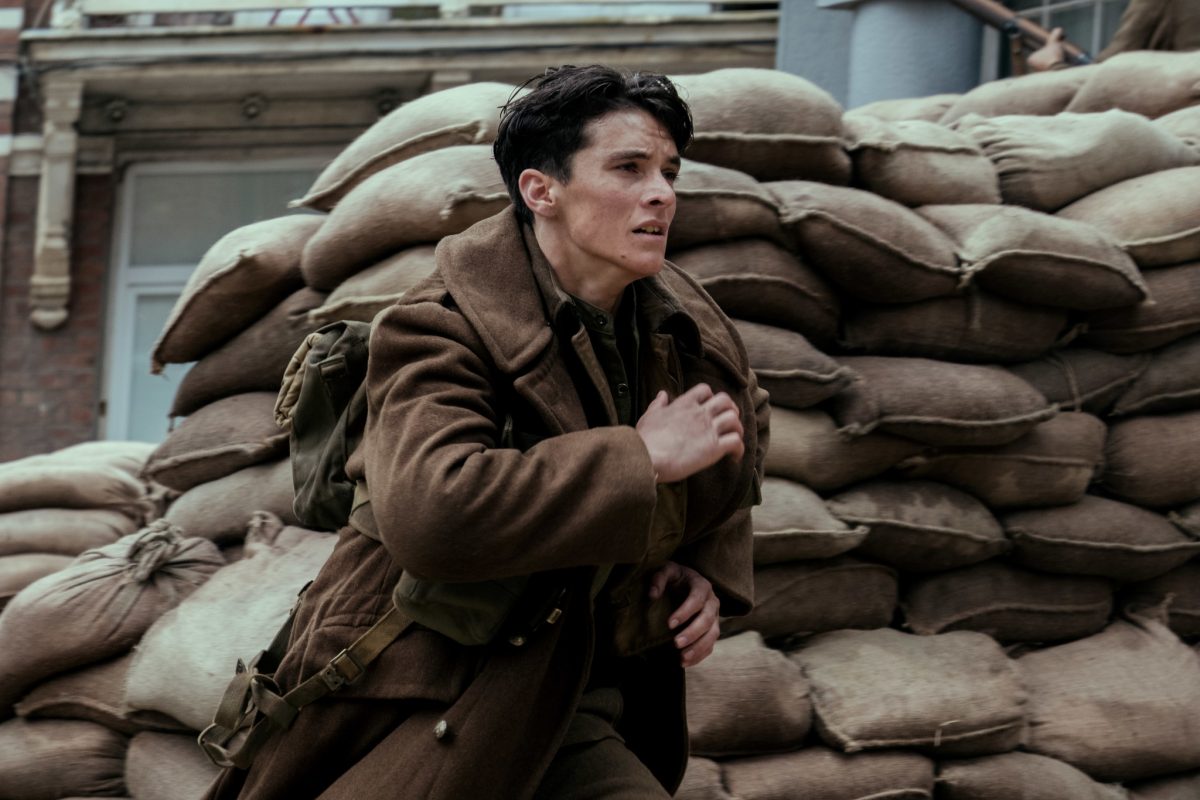
One of the 21st century’s defining filmmakers, Christopher Nolan took on a depiction of the evacuation of more than 338,000 Allied soldiers from the beaches of Dunkirk during Operation Dynamo with his 2017 feature Dunkirk.
The film marked a relatively significant shift in Nolan’s career at the time, as up to that point, the acclaimed filmmaker had largely made his name through grand-scale productions and intellectually labyrinthine narratives that often left audiences exiting the theatre with as many questions as answers. “Dunkirk,” however, represented a move toward something more immediate and experiential for a filmmaker whose cinema had so often operated on a colossal conceptual scale. Here, Nolan places us directly alongside soldiers stranded amid the chaos of evacuation, immersing us in the unbearable uncertainty, fear, and survival instinct that defined the event itself.
The film’s effectiveness is heightened by the casting of Fionn Whitehead, an actor who was largely unfamiliar to mainstream audiences before the film’s release. The suspension of disbelief becomes even more powerful when the face we follow is not one heavily associated with celebrity iconography, but one that could plausibly belong to any young soldier caught in the desperation of those final days on the beach. Gone were the towering screen presences of performers like Pacino, Bale, DiCaprio, or McConaughey who had anchored Nolan’s earlier films, replaced here by a fresh-faced newcomer embodying the ordinary British serviceman swept into an extraordinary historical catastrophe.
Moreover, the film’s sound design — among the finest of the century — gives viewers as close a sensation as possible to standing amidst the chaos of Dunkirk itself, with gunfire, bombing raids, and fighter planes tearing through the soundscape at an overwhelming intensity. Few modern war films have recreated the sheer sensory terror of combat and evacuation with such technical precision. It is difficult to imagine another cinematic portrayal of Dunkirk eclipsing the scale, craftsmanship, and immersive power of Nolan’s achievement, which has already cemented the film as one of the defining World War II epics of modern cinema.
19. Patton (1970)
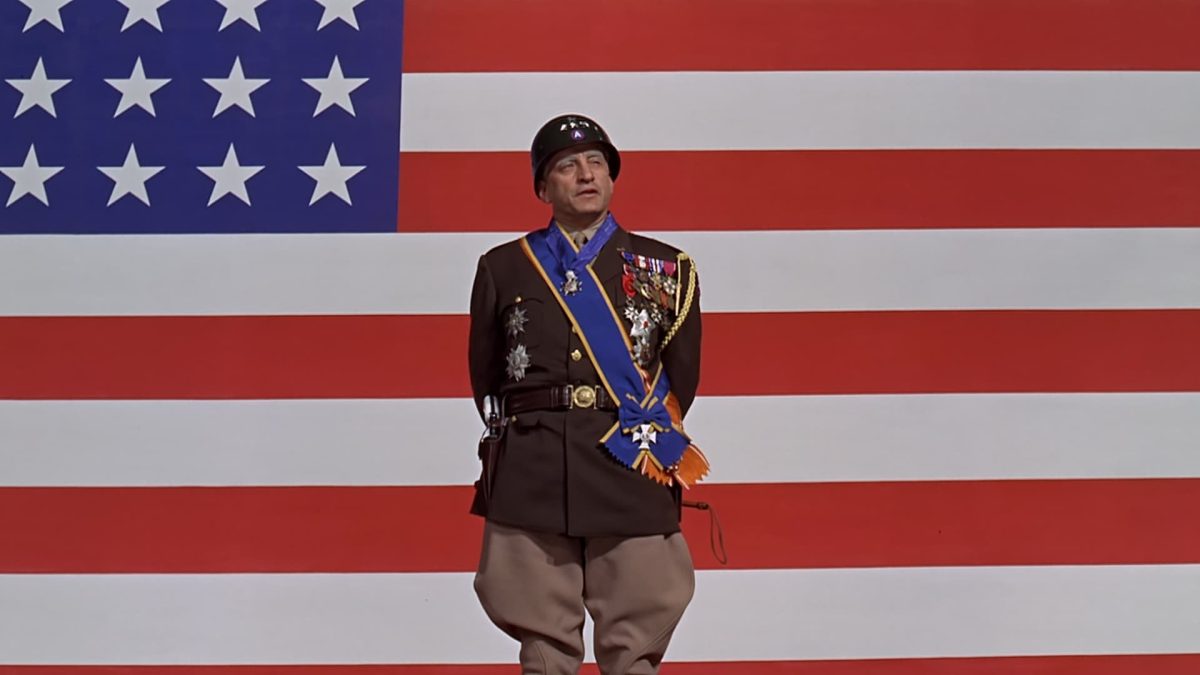
Attempting to capture one of the most eccentric military figures of the twentieth century in a biographical drama is never an easy task. Franklin J. Schaffner’s 1970 epic “Patton,” however, succeeds remarkably well, anchored by a towering performance from legendary actor George C. Scott, who captures both the brilliance and volatility of one of World War II’s most controversial yet effective military leaders. Patton’s fiery rhetoric, theatrical self-belief, and relentless appetite for conflict made him a deeply polarizing figure, yet those same qualities often inspired fierce loyalty among the soldiers under his command.
The film’s greatest achievement lies not merely in recreating Patton’s larger-than-life personality, but in how carefully it balances admiration with scrutiny. Schaffner understands that while Patton excelled within the machinery of war, his ego, temperament, and worldview were often troubling and difficult to separate from the violence surrounding him. Rather than functioning solely as a chronicle of military victories, “Patton” evolves into a character study of the kind of individual uniquely suited to thrive amid warfare and destruction.
The result is a singular war film that views World War II through the perspective of a man who seemed most alive when the world itself had descended into conflict. Few Hollywood epics have explored the psychology of military leadership with such complexity, ambiguity, and fascination
18. The Zone of Interest (2023)
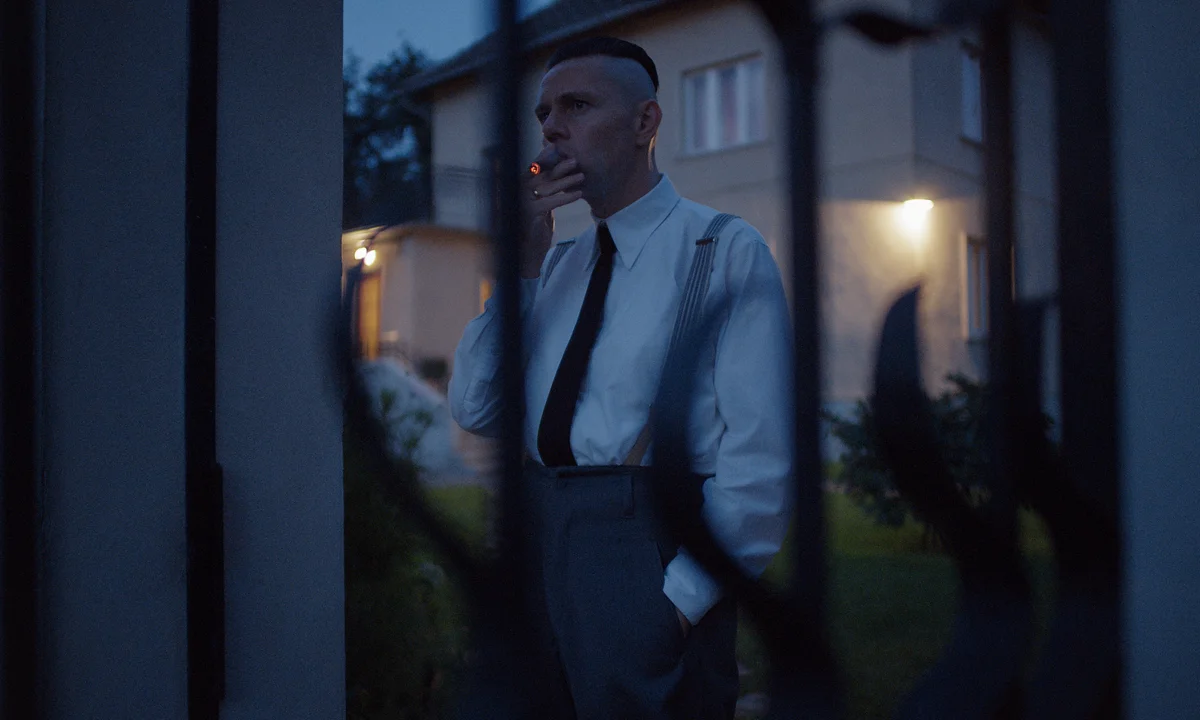
“The Zone of Interest” already feels destined to be regarded as a modern masterpiece. Few recent films have lingered in the cultural imagination with such disturbing persistence, largely due to their striking visual compositions and, especially, their extraordinary sound design, which becomes the film’s true nucleus. Jonathan Glazer understands that horror does not always emerge from what is shown on screen, but from what remains just outside the frame — heard, implied, and left for the viewer to imagine.
The unbearable reality that unimaginable atrocities are unfolding nearby hangs over every scene, yet for the Höss family, whose daily routines we quietly observe, life continues with terrifying normalcy. Domestic routines persist: tending the garden, sharing meals, raising children, maintaining the rhythms of an ordinary household. Beyond the walls of their home, however, exists an industrialized machinery of death that the family gradually absorbs into the background of everyday life. Polish cinematographer Łukasz Żal captures these interiors and garden spaces with an unsettling clinical detachment, presenting evil not as theatrical monstrosity but as something procedural, normalized, and horrifyingly routine.
It is a film that lingers in the mind long after the credits roll, and one that may ultimately reshape how cinema depicts evil itself. “The Zone of Interest” suggests that evil is not always defined solely by monstrous acts, but also by the willingness to ignore, accommodate, and quietly coexist beside unimaginable suffering.
17. Kanal (1957)
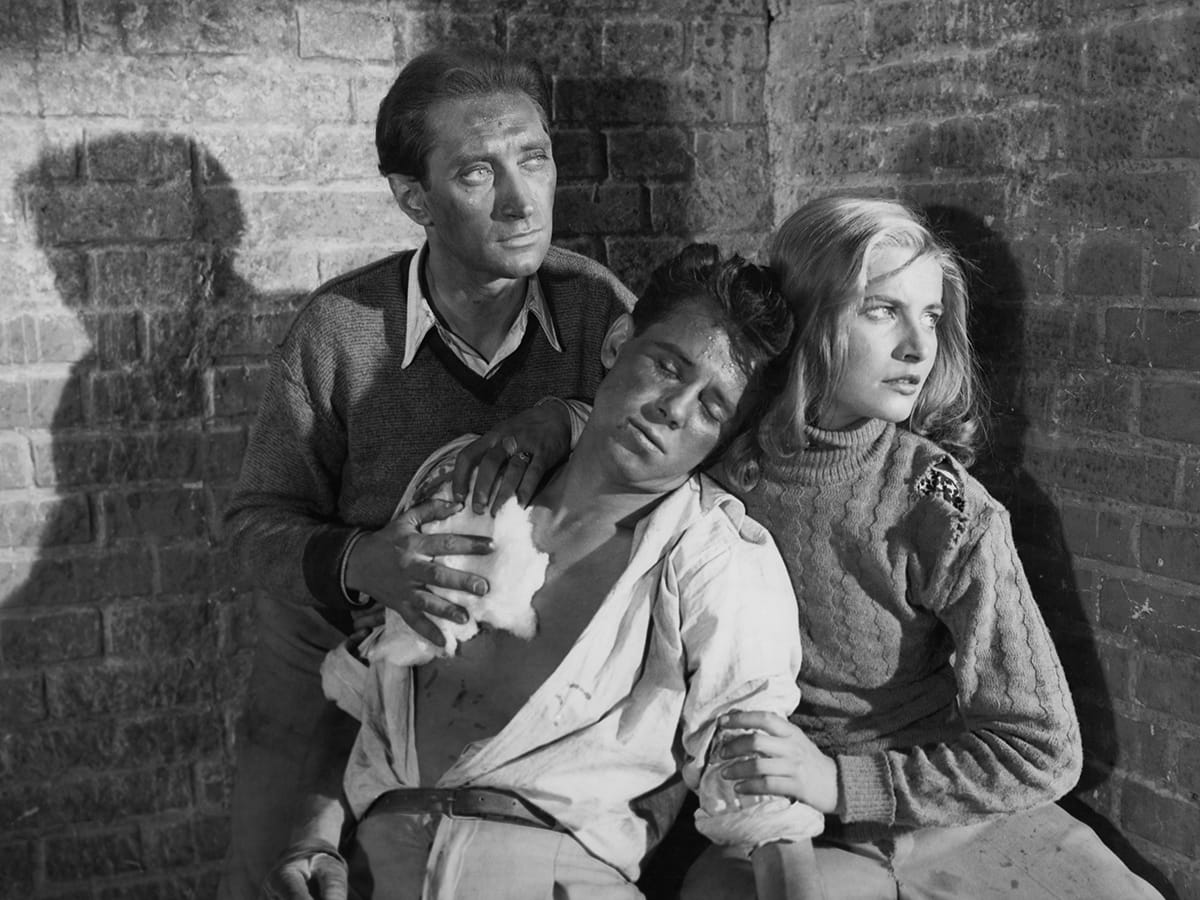
Andrzej Wajda’s Kanal — the second entry in his unofficial war trilogy, preceded by “A Generation” and followed by “Ashes and Diamonds” — occupies a distinct emotional territory within World War II cinema. Many great World War II films depict the horrors of war through battlefields and destruction. In “Kanal,” the horror closes in from all sides as the characters crawl through suffocating underground tunnels with no clear sense of direction or escape. Set during the final days of the Warsaw Uprising in September 1944, the film follows a group of exhausted Polish resistance fighters and civilians as they retreat into Warsaw’s sewer system after being cornered by German forces above ground. What begins as a tactical withdrawal gradually transforms into a horrifying descent into panic, exhaustion, and psychological disintegration.
Historically, the Warsaw Uprising itself was catastrophic. The Polish resistance fought the Nazis for 63 days while hoping for Soviet assistance from across the Vistula River, but the uprising was ultimately crushed, and Warsaw was systematically destroyed in its aftermath. “Kanal” was among the first major films to portray this national trauma with such bitterness and realism, which made it a deeply important work in postwar Polish cinema. The film was based on a story by Jerzy Stefan Stawiński, who participated in the Warsaw Uprising as a company commander.
It is difficult to fully capture the viewing experience of “Kanal,” which places us alongside all kinds of individuals — the heroic, the cynical, the fragile, and the chaotic — as they descend into what increasingly resembles a living hell. Rather than foregrounding overt political rhetoric, the film remains consumed by the omnipresence of death, decay, exhaustion, and hopelessness within a war-ravaged landscape. In fact, Nazi soldiers remain largely absent from the film once the characters descend underground, as the suffocating tunnels themselves become an instrument of terror and annihilation.
16. Ivan’s Childhood (1962)
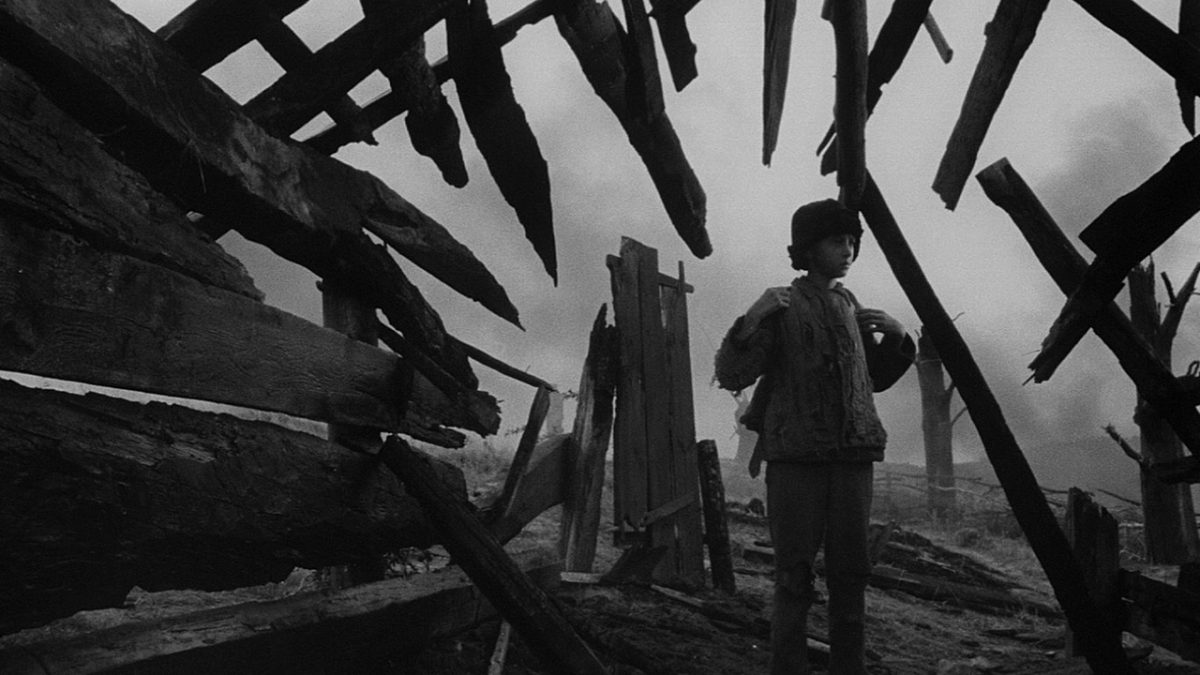
Every great filmmaker has to begin somewhere, and in most cases, that starting point tends to be a relatively modest one. Andrei Tarkovsky, however, debuted with a fully formed artistic vision in “Ivan’s Childhood,” framing World War II as a thief of innocence, love, and childhood itself. The film follows Ivan, a twelve-year-old Soviet orphan who works as a scout behind German lines for the Soviet army.
Rather than defining war through spectacle or combat alone, Tarkovsky focuses on the quiet devastation left behind when childhood is violently interrupted. Ivan’s grief and emotional isolation are often expressed through dreams filled with familial warmth, nature, and fleeting traces of youthful tenderness, all of which stand in stark contrast to the bleak wartime reality of the Eastern Front. Such striking visual and emotional choices make it astonishing to realize that these images emerged from a filmmaker making his feature debut. In the process, Tarkovsky crafted one of cinema’s most haunting portraits of war’s psychological toll, suggesting that violence spares neither innocence nor vulnerability.
By the film’s conclusion, what lingers most powerfully is the realization that some losses cannot be repaired or reclaimed. War functions here not as a temporary rupture, but as a force that permanently reshapes the lives caught within it. In Ivan’s case, it steals away adolescence itself, leaving behind a child spiritually consumed by the devastation surrounding him.
Also, Read: All Andrei Tarkovsky Films Ranked
15. The Thin Red Line (1998)
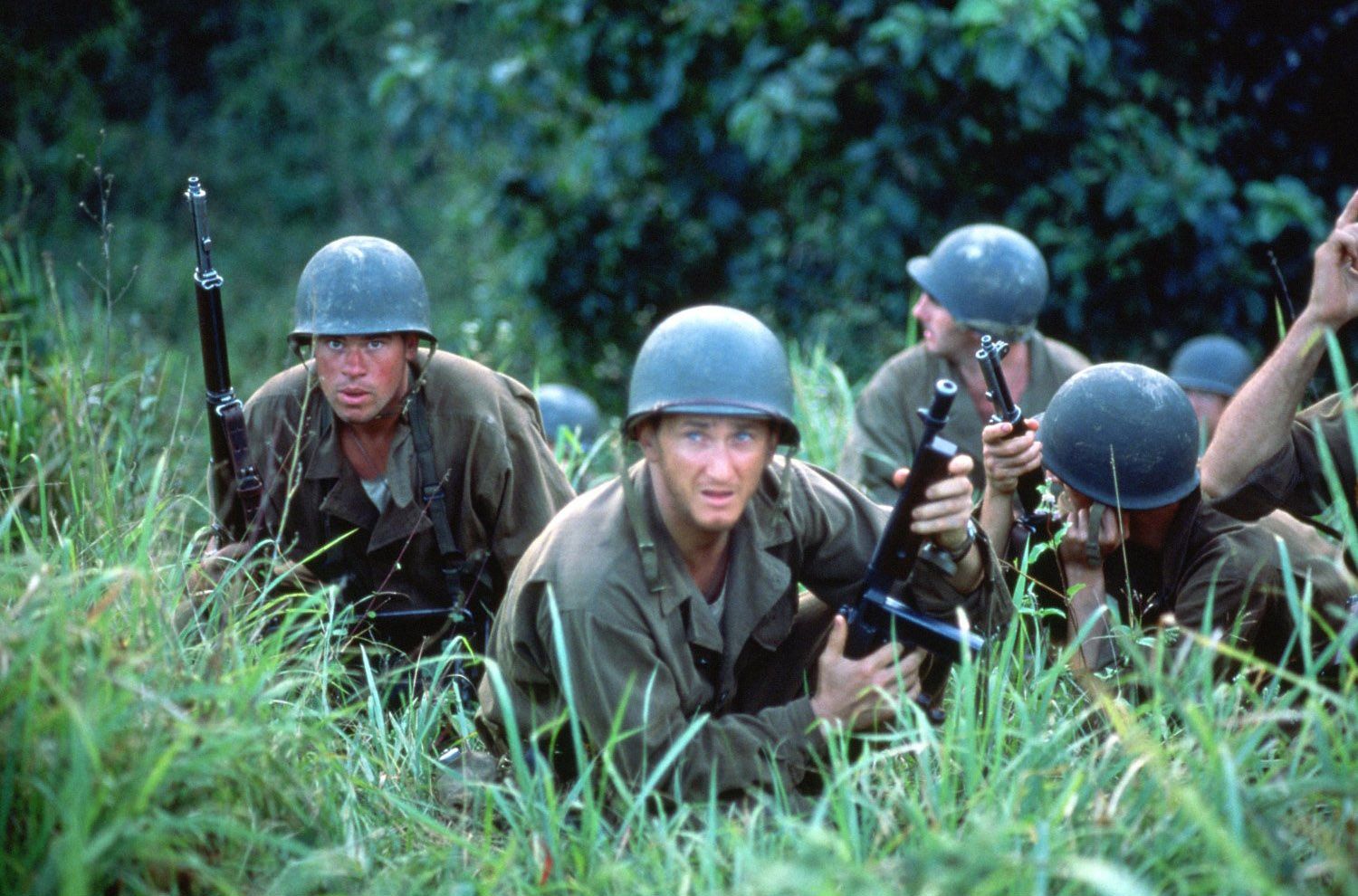
After two decades of radio silence, legendary auteur Terrence Malick returned to filmmaking with his third feature, “The Thin Red Line,” an adaptation of James Jones’ 1962 novel of the same name centered on the Battle of Mount Austen during the Guadalcanal Campaign between December 1942 and January 1943.
Despite the large-scale wartime backdrop, Malick allows his deeply meditative and philosophical filmmaking style to permeate every frame, using the chaos of combat to probe the inner lives of soldiers confronting fear, mortality, and existential uncertainty. Rather than portraying war as a stage for conventional heroism, “The Thin Red Line” views violence as a rupture within the natural order of the world itself. In doing so, the film breaks away from the conventions of traditional combat cinema and transforms the war film into something spiritual, introspective, and profoundly mournful, all while retaining the visual brilliance that defined Malick’s earlier masterpieces, “Badlands” and “Days of Heaven.”
The film is especially remarkable in the way it captures the breathtaking beauty of the Guadalcanal landscapes, constantly confronting the viewer with a haunting contradiction: how can such unimaginable violence unfold amid scenery of such serenity and indifference? This fusion of visual splendor and spiritual inquiry helped make the production legendary within Hollywood, with many acclaimed actors reportedly accepting drastically reduced salaries simply for the opportunity to work with Malick. The result is a singular war film from a singular filmmaker — one that meditates less on victory or defeat than on the spiritual and psychological cost of human conflict.
14. Fires on the Plain (1959)
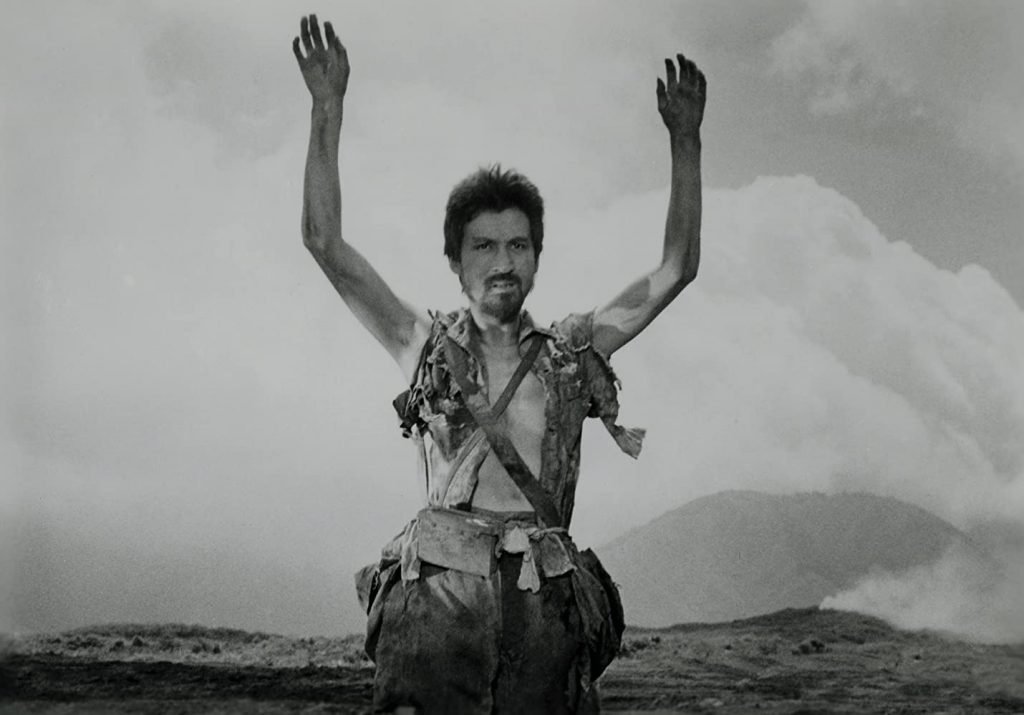
Based on Shohei Ooka’s 1951 novel “Nobi,” Kon Ichikawa’s “Fires on the Plain” is set during the final days of World War II on the Philippine island of Leyte. Ichikawa gained international recognition with the mournful war drama “The Burmese Harp,” which, amid immense destruction, still finds traces of redemption and compassion. “Fires on the Plain,” however, offers a far more searing and stripped-down vision of war, depicting the collapse of both the body and the spirit. The film follows Pvt. Tamura (Eiji Funakoshi), a tubercular soldier ordered by his commanding officer to return to the hospital and, if refused treatment, to do the honorable thing: blow himself up with his last remaining grenade.
A desiccated Tamura wanders across the jungle island on what increasingly resembles a death march, witnessing hellish sights, including cannibalism. By the final year of World War II, Japan’s collapsing supply lines had left thousands of soldiers stranded across the Pacific, particularly in places like the Philippines, Burma, and Okinawa. Many units were cut off from food, medicine, and reinforcements as Allied forces advanced deeper into Japanese-held territory. In the Philippines campaign alone, starvation and disease claimed countless lives alongside combat.
War is humanity at its worst. And survival in war isn’t heroic but can be grotesque. With each painful step and breath, Tamura survives in a world so spiritually and morally exhausted that the ‘grenade’ option itself begins to feel like a form of mercy.
13. To Be or Not to Be (1942)
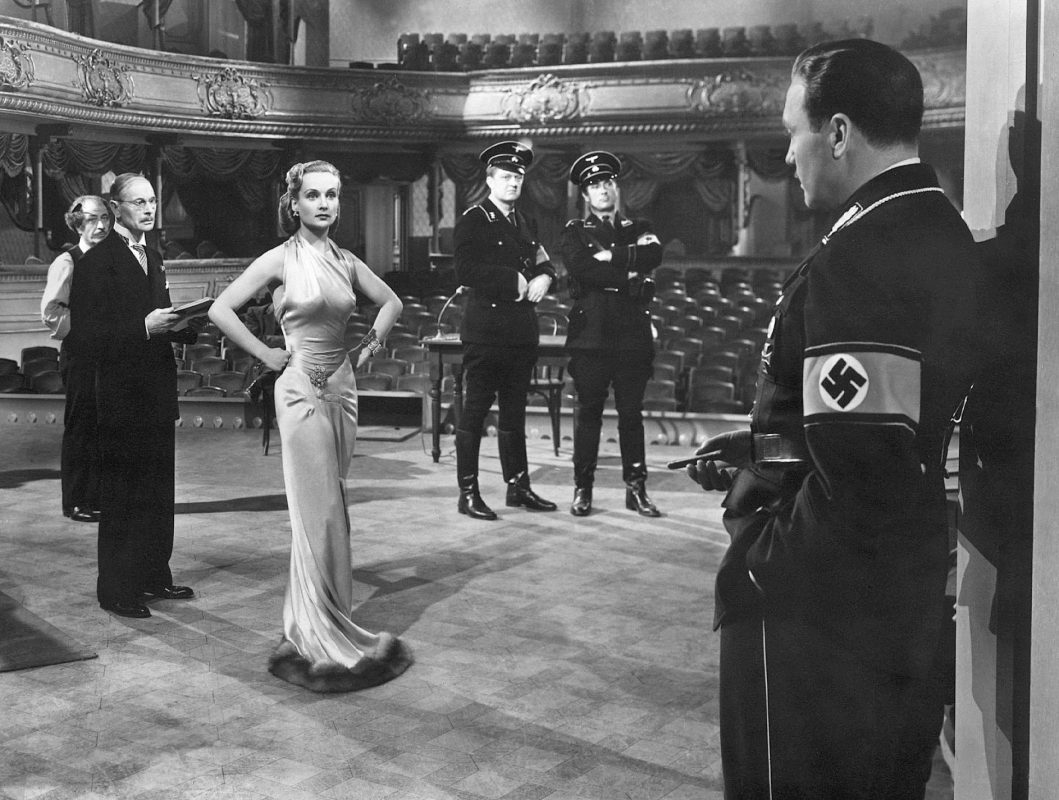
In the face of atrocity or deep grief, it’s a natural reaction for many to turn to humour as a means of escapism, or as a way of dealing with the problem head-on in a way that feels more digestible. Ernst Lubitsch certainly found that to be true, taking the Nazi occupation of Poland in 1939, and turning it into a screwball comedy that dared to laugh in the face of the world’s most wicked individual at the height of his influence, walking an incredibly thin line between allowing humanity to laugh during such a tumultuous time and ensuring that the scope of the situation at hand is never downplayed.
In the end, what Ernst Lubitsch created with “To Be or Not to Be” still feels miraculous more than eight decades later. How did he manage to make a comedy this sharp and fearless in the midst of World War II? How did he convince stars like Carole Lombard and Jack Benny to anchor such audacious material? And perhaps most remarkably, how does the humour continue to feel so alive in a world so vastly different from the one in which it was made? The answer lies in the legendary “Lubitsch touch” — that unmistakable blend of elegance, wit, precision, and sophistication that defined his cinema and transformed even the riskiest material into something timeless.
It remains one of the boldest achievements in film history, a reminder that resistance can take many forms, even in humanity’s darkest hours. In Lubitsch’s hands, satire itself becomes an act of defiance.
12. Saving Private Ryan (1998)

Perhaps the most widely seen and influential World War II film ever made, “Saving Private Ryan” has earned acclaim for countless reasons. Chief among them is its harrowing opening depiction of the D-Day landings at Normandy on June 6, 1944, a sequence often cited by veterans as the closest cinema has come to recreating the terror and confusion of those events. Through its fragmented imagery, deafening sound design, and overwhelming sense of chaos, Steven Spielberg captures war as a landscape defined by confusion, fear, and disorientation rather than strategic clarity. Soldiers become expendable figures moved across the battlefield at the command of distant superiors, with devastating losses often accompanying even the smallest advances.
Yet amid this overwhelming disorder emerges the film’s central mission: the attempt to locate and save Private Ryan. It is through this objective that Spielberg introduces deeper questions surrounding morality, duty, and the value of human life itself. As the squad ventures further into enemy territory, each soldier is forced to grapple with the meaning of the mission and the sacrifices demanded of them. In doing so, the film reminds us that beneath military orders and uniforms exist individuals shaped by their own fears, values, and personal convictions.
What ultimately emerges from “Saving Private Ryan” is a series of agonizing and unresolved questions: How much is one life worth? What determines whether a life is worth saving? Can morality survive within an environment governed by chaos and death? The film offers no easy answers. Instead, it leaves behind a lingering sense of moral unease, suggesting that the completion of an objective often arrives at a devastating human cost. In the end, war appears less as a source of meaning than as a catastrophe for which meaning is constructed afterward in an attempt to justify its existence.
11. The Ascent (1977)
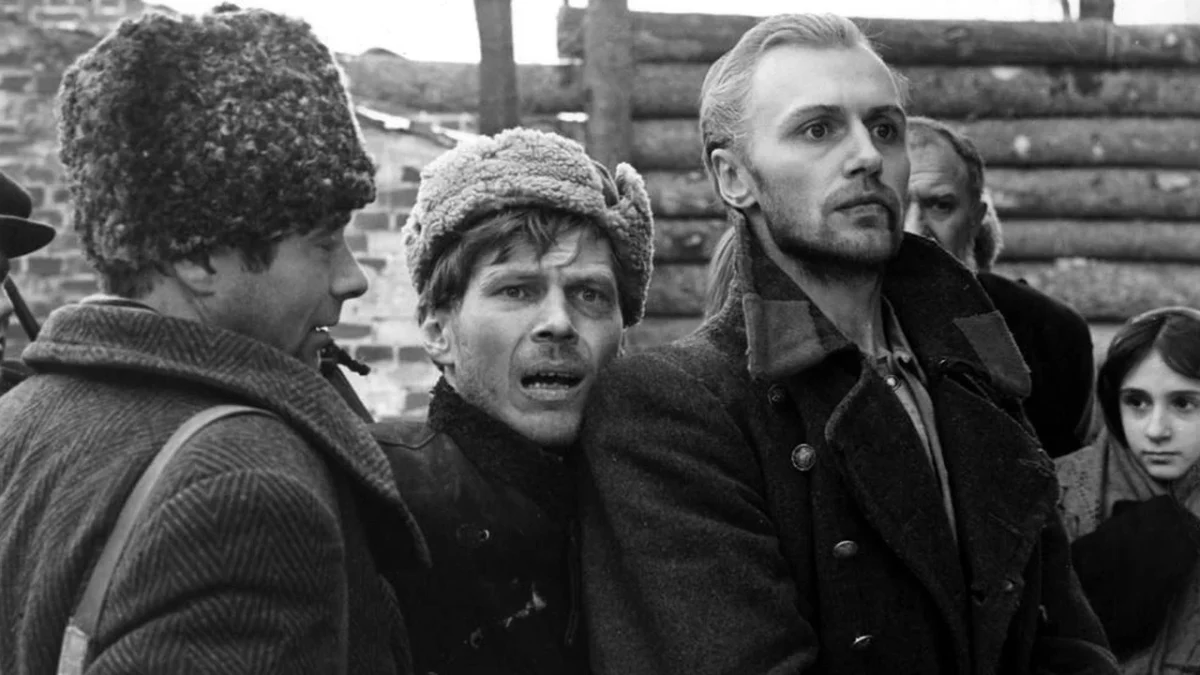
Soviet filmmaker Larisa Shepitko’s masterpiece “The Ascent” asks an agonizing question: when faced with the prospect of death, how much do our morals truly mean? How far can one bend their beliefs before finally breaking? Perhaps such answers remain unknowable until one is placed in that situation. But for Rybak, Sotnikov, and the others caught within the brutal realities of war and occupation, these questions become unavoidable. Shepitko’s film suggests that moral compromise under fascism leaves wounds far deeper than physical suffering itself.
Beyond its dense psychological and spiritual inquiry, “The Ascent” leaves an unforgettable impression through its stark visual imagery. Vladimir Chukhnov’s stunning black-and-white cinematography captures both the unforgiving winter landscapes and the relentless brutality of Nazi occupation. The result is a haunting portrait of faith, betrayal, sacrifice, and the terrible psychological cost of survival during wartime.
Larisa Shepitko remains one of the most singular voices in Soviet cinema, a filmmaker whose brief career combined philosophical rigor with overwhelming emotional intensity. At a time when war films often centered on masculine heroism and patriotic mythology, “The Ascent” approached warfare through spiritual anguish and human vulnerability. Her tragic death in a car accident in 1979, at the age of 41, cut short one of the most extraordinary careers in post-war Soviet cinema.
Read: The Best Films Watched in 2020
10. Rome, Open City (1945)

Set during the Nazi occupation of Rome in 1944 and released just over a year later in September 1945, “Rome, Open City” remains one of the most influential films ever made. Now regarded as one of the foundational works of Italian Neorealism, Roberto Rossellini’s masterpiece established a new cinematic language for depicting a world still carrying the physical and psychological scars of war.
By using non-professional actors and shooting on real locations still marked by the devastation of Nazi occupation, Rossellini blurred the boundary between fiction and reality, creating a film that often feels closer to lived testimony than conventional dramatization. Filmed in the immediate aftermath of the events it portrays, “Rome, Open City” captures the texture and uncertainty of life under fascist rule with remarkable immediacy. Even eight decades later, the film functions almost like a visual time capsule, offering audiences a glimpse into the fear, desperation, and resistance that defined everyday existence during the occupation.
It is for these reasons that the film endures not merely as a historical artifact but as a turning point in the representation of war on screen. Rossellini does not frame the conflict as distant history to be revisited with hindsight. Instead, the wounds of war still feel raw and ongoing, lingering within the streets, homes, and ordinary lives of its characters. In “Rome, Open City,” the battleground is no longer confined to distant front lines, but exists within the very fabric of civilian life itself.
9. The Great Escape (1963)
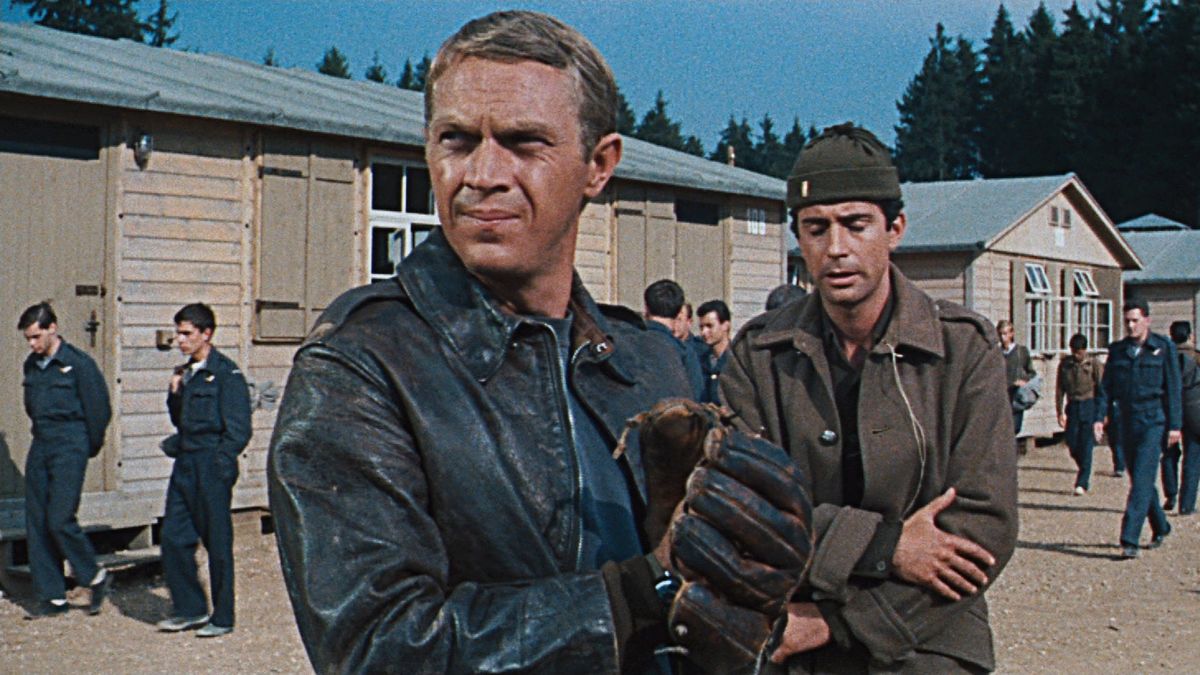
A brilliantly painted portrait of the human pursuit of freedom – in this case, quite literally from Stalag Luft III (A German prisoner-of-war camp) – “The Great Escape” follows the attempted titular escape from the perspective of a large cohort of aspiring Allied escapees who dig three tunnels in the hopes of setting themselves free, with 76 of them initially making it out.
What truly cements “The Great Escape” as an enduring classic, especially for viewers unfamiliar with the real historical events, is the devastating realization that not everybody makes it out alive. The great escape ultimately did not succeed for the planned 250 prisoners — or even for the 76 men who escaped through the tunnel — but only for three solitary individuals who managed to evade recapture. Those three men came to represent the very few among many who attained the freedom that every prisoner desperately sought. Their survival was not determined solely by courage, intelligence, or preparation, but also by luck, timing, and circumstance.
All these decades later, the film remains a powerful reminder of how fragile freedom truly is. In times of war, it can be stripped away in an instant. What lingers most powerfully is not simply the escape itself, but the resilience, solidarity, and determination behind it — qualities that continue to stand as a profound testament to the endurance of the human spirit.”
8. Downfall (2004)

“Downfall,” directed by Oliver Hirschbiegel, offers an unsettlingly human portrait of the man responsible for some of the greatest atrocities of the Second World War: Adolf Hitler. Rather than portraying Hitler as an abstract symbol of evil, the film confronts viewers with the horrifying reality that even history’s most monstrous figures remain human beings, capable of fear, vulnerability, denial, and desperation. That recognition becomes deeply uncomfortable, reminding us that these catastrophic events unfolded less than a century ago in the same world we continue to inhabit, orchestrated by individuals who outwardly shared the same human traits as everyone around them.
Rather than depicting the war on a sweeping historical scale, the film narrows its focus to the final days of April 1945, when the walls begin to close in around Hitler and the remaining Nazi leadership inside the Führerbunker beneath Berlin. By confining much of the narrative to this underground space, Hirschbiegel avoids large-scale battlefield spectacle and instead creates a suffocating microcosm of a collapsing regime in its final moments. The bunker becomes both a physical and psychological prison, trapping its occupants within delusion, paranoia, and the inevitable reality of defeat.
At the center of the film is Bruno Ganz’s unforgettable performance as Hitler, widely regarded as one of the most haunting portrayals ever committed to screen. Ganz captures both the volatility and insecurity that historians have long associated with Hitler’s personality, while also allowing glimpses of the frailty and emotional dependence that often become obscured beneath the scale of his crimes. The result is not a sympathetic portrait, but a deeply disturbing one: a reminder of how blind devotion to authoritarian power and ideological fanaticism can lead entire nations toward catastrophe and destruction.
7. Grave of the Fireflies (1988)

The third feature film produced by the legendary Japanese animation studio Studio Ghibli,” Grave of the Fireflies,” remains one of cinema’s most devastating depictions of the civilian wartime experience. The film follows Seita and Setsuko, two siblings whose lives are shattered following their mother’s death during an air raid in Kobe, Japan, in the final months of World War II.
Written and directed by Isao Takahata, the film is adapted from Akiyuki Nosaka’s 1967 semi-autobiographical short story of the same name, itself drawn from Nosaka’s experiences before, during, and after the 1945 firebombing of Kobe. The story was famously written as an expression of guilt and apology toward the author’s younger sister, who died from malnutrition during the war.
Like Nosaka’s original story, the film focuses less on combat itself than on the devastating aftermath endured by ordinary civilians, particularly children robbed of innocence, stability, and adolescence by war. It also quietly reflects how one nation’s military triumph can coincide with unimaginable suffering for another population caught beneath the machinery of conflict. Nearly four decades after its release, “Grave of the Fireflies” endures as a timeless anti-war masterpiece and one of the clearest demonstrations of animation’s emotional, artistic, and thematic power as a cinematic medium.
6. The Bridge on the River Kwai (1957)
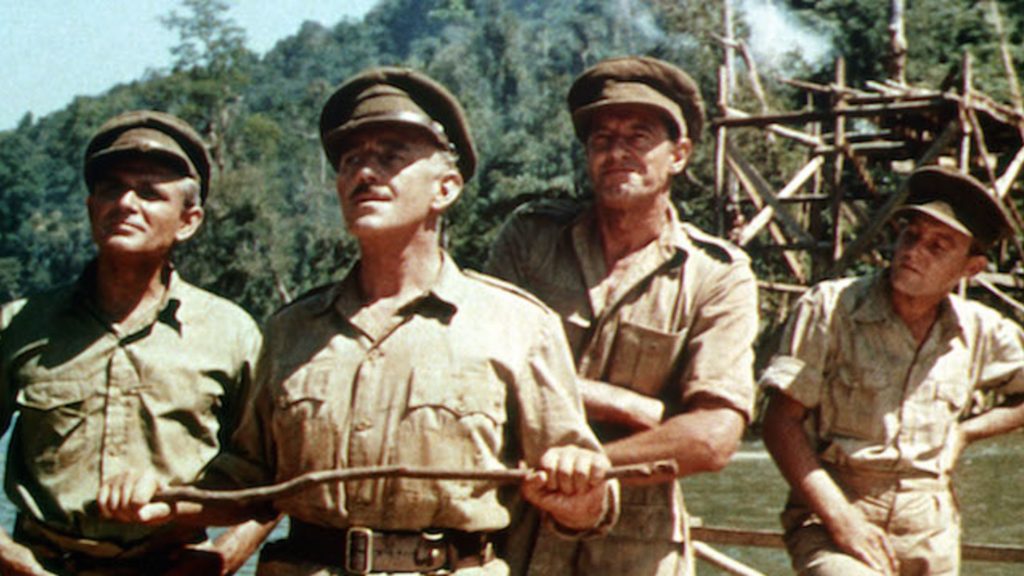
What the movies of the great David Lean had in scale, they did not lose in human touch, as “The Bridge on the River Kwai” – though set to an expansive backdrop – functions just as much as a psychological study as it does as a blockbuster of its time. The construction of the titular bridge is used as a means to delve deeper into how war can distort moral judgment and turn something that once looked like discipline and pride into something much more confusing.
As Col. Nicholson, played by Alec Guinness, gradually loses himself within the project imposed upon him by his captors, “The Bridge on the River Kwai” traces his transformation from prisoner of war to an increasingly willing participant in the very machinery of his captivity. In the process, the film blurs the distinction between resistance and duty, portraying war as a space where ideology, discipline, and personal codes of honor are pushed to their absolute limits.
What ultimately emerges is the unsettling realization that the psychological implications of completing the bridge begin to eclipse the moral consequences of what that completion actually means. The bridge evolves into something larger than a military objective, reflecting the distorted logic of war itself, where commitment to duty can slowly detach from ethical clarity. Although the project fundamentally conflicts with Nicholson’s position as a British officer, he becomes consumed by the belief that the task must be carried through to completion. In this way, the film captures a wider truth about war: how individuals can become so devoted to discipline, obligation, and purpose that they lose sight of the larger human cost surrounding them.
5. Das Boot (1981)
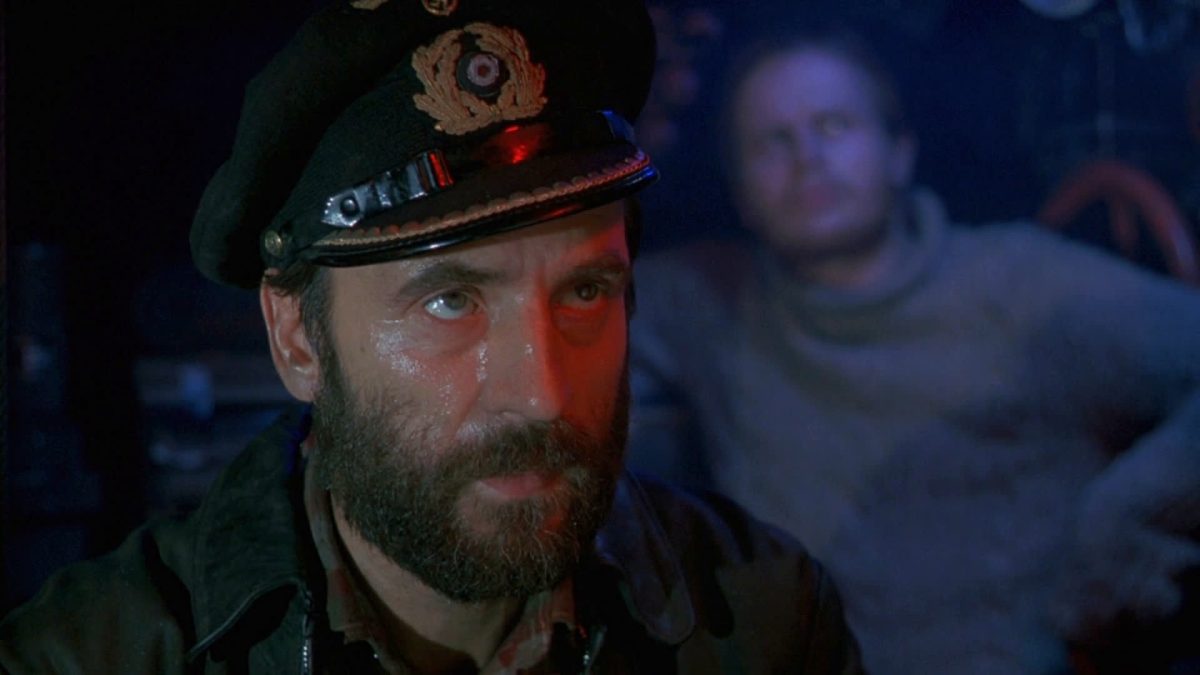
Much of the struggle for survival during the Second World War unfolded not only on land, but at sea as well, with the Battle of the Atlantic becoming the longest continuous military campaign of the war. Wolfgang Petersen’s “Das Boot” explores this brutal theater of conflict by following the German submarine U-96 between October and December 1941, capturing the slow psychological erosion experienced by soldiers trapped within an environment defined by fear, confinement, and uncertainty.
What makes “Das Boot” so remarkable is its willingness to adopt the perspective of German soldiers rather than the more familiar Allied viewpoint. Crucially, the film never glorifies the Nazi cause. Instead, it humanizes the men aboard the submarine, portraying them as individuals shaped by circumstance, ideology, and the historical moment in which they lived. This creates a uniquely unsettling viewing experience. In many war films centered on Allied forces, audiences are conditioned to expect some form of victory or survival, even if it comes at considerable personal cost. By placing viewers aboard a German U-boat, however, “Das Boot” strips away that sense of certainty and replaces it with relentless tension and dread.
The film’s cinematography and sound design play an essential role in sustaining this atmosphere. The camera moves frantically through the submarine’s cramped corridors, mirroring the claustrophobia, panic, and loss of control felt by the crew themselves. Petersen transforms the submarine into a suffocating pressure chamber where survival feels increasingly fragile with every passing moment. Few war films have captured the physical and psychological exhaustion of combat with such immersive intensity.
By depicting war as a relentless state of anxiety in which triumph means little more than surviving another day, “Das Boot” arrives at one of the central truths of great war cinema: regardless of the scale of the conflict, the human cost remains immeasurable. As the film progresses, grand ideological rhetoric gradually fades into the background, replaced by the immediate and desperate instinct to stay alive. In the end, the abstract machinery of war becomes insignificant beside the value of human life itself.
Read More: The 10 Best Submarine Movies, Ranked
4. The Cranes Are Flying (1957)
Stalin’s ironclad control over the state severely curtailed the cinematic innovation that defined Russian cinema during the silent and early sound era. After Stalin died in 1953, the country’s new leader, Nikita Khrushchev, initiated the policies of de-Stalinization and relaxed censorship. Known as the “Khrushchev Thaw,” this period once again placed Soviet cinema on the world map. And the filmmaker who brought post-war Soviet cinema to the forefront was Mikhail Kalatozov. A Soviet filmmaker of Georgian origin, Kalatozov directed the astounding ethnographic documentary “Salt for Svanetia” (1930). His first feature film, “Nail in the Boot” (1931), was denounced by Soviet authorities and withdrawn from circulation.
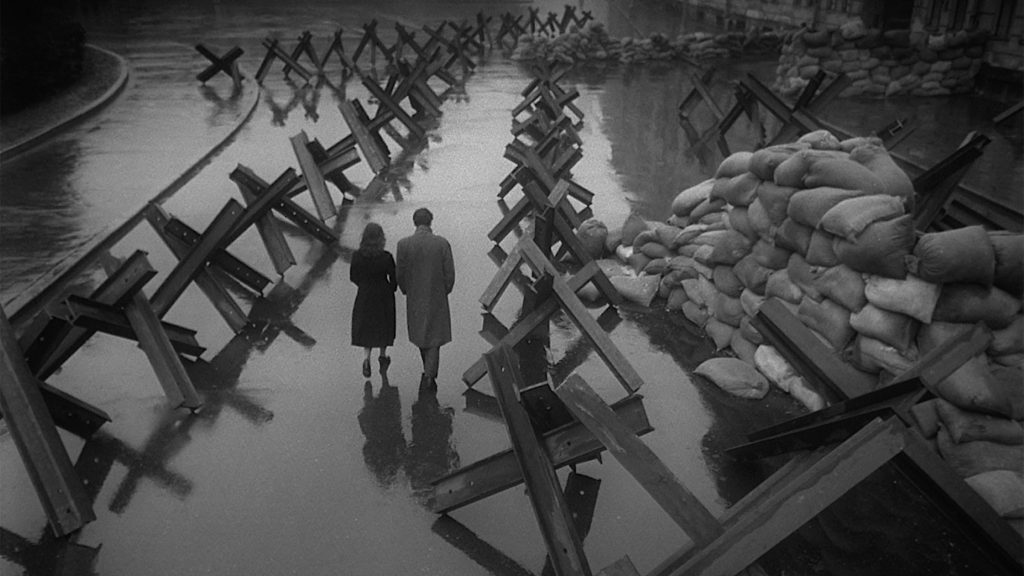
During World War II, Kalatozov directed propaganda films and worked as a cultural attaché at the Soviet Embassy in the United States. While Kalatozov returned to filmmaking in the 1950s, it was his collaboration with cinematographer Sergey Urusevsky that produced three groundbreaking films, the first being “The Cranes are Flying.” The film opens a few days before Germany invades the Soviet Union in 1941 and chronicles the deeply affecting love story of Veronika and Boris. The story of a young woman waiting for her lover to return from the front lines, while enduring the hardships of life on the home front, is an old one. But few filmmakers have captured that yearning, anguish, and helplessness with the cinematic intensity achieved by Kalatozov and Urusevsky.
The expressionistic sequences, filled with dizzying camerawork and dense visual layering, heighten the emotional turbulence and turn us into anxious observers of these ordinary Russians’ lives. Moreover, Soviet war films of the late Stalin era rarely focused on the home front, as they were largely concerned with the bravery and sacrifice of soldiers. “The Cranes are Flying” tenderly depicts the plight of Veronika, who, despite the unspeakable suffering of a war-torn society, clings to the hope of seeing her lover again. Tatyana Samoylova’s extraordinarily expressive face guides us through the emotional extremes of this war drama. Though the film occasionally embraces sentimentality, “The Cranes are Flying” delivers a devastating portrait of war that culminates in a powerful anti-war statement.
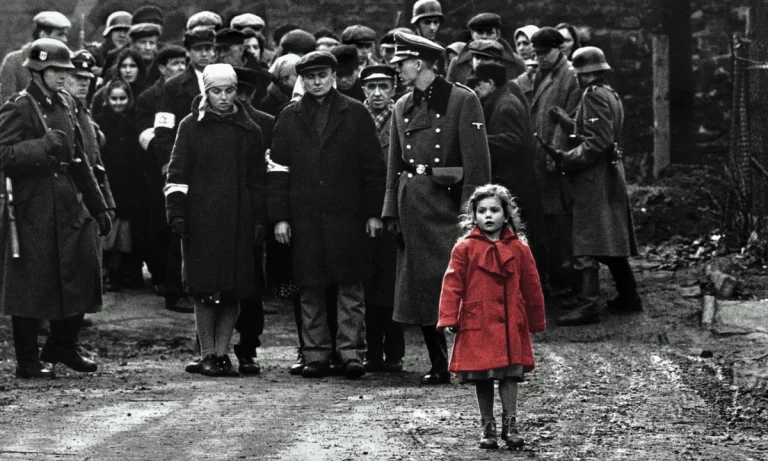
3. Schindler’s List (1993)

Though all of these films confront the morality of war in one form or another, few do so as directly and devastatingly as “Schindler’s List.” Steven Spielberg’s portrayal of the Holocaust presents some of the most harrowing imagery ever committed to screen, while also interrogating how such a system of industrialized cruelty could come into existence at all — a system in which violence, persecution, and mass murder are carried out bureaucratically and with terrifying normality.
What makes the film especially unsettling is Spielberg’s refusal to portray evil as something distant or extraordinary. Instead, he emphasizes how routine these horrors had become: orders followed without question, cruelty woven into everyday procedure, and the gradual erosion of individual humanity required to sustain such a system. Within this framework, the film suggests that morality is no longer something automatic or innate, but a conscious choice made under immense pressure and personal risk. In the case of Oskar Schindler, portrayed by Liam Neeson, that choice ultimately becomes an act of resistance against the machinery surrounding him.
Through Schindler’s transformation from opportunistic businessman to reluctant humanitarian, the film explores the possibility of moral awakening within a world consumed by systemic hatred and dehumanization. What remains by the film’s conclusion is not a sense of triumph, but a profound awareness of irreparable loss. “Schindler’s List” endures as one of cinema’s most devastating human dramas, reminding us that no act of goodness can ever fully compensate for atrocities on such a scale, yet moral courage and refusal to conform remain essential if such horrors are to be prevented from happening again.
2. Come and See (1985)

If there were ever any doubt about whether a war film could function as a truly devastating anti-war statement, “Come and See” stands as the clearest answer. Set during the Nazi occupation of Belarus in 1943, Elem Klimov’s masterpiece follows a young village boy whose psyche is gradually consumed by the unimaginable horrors unfolding around him.
Over the decades, the film has earned a reputation as one of the most emotionally punishing experiences in cinema, largely because of its terrifying immediacy and uncompromising depiction of wartime brutality. Much of that impact comes through the extraordinary performance of child actor Aleksei Kravchenko, whose face becomes the emotional landscape of the film itself. With every atrocity he witnesses, traces of childhood slowly disappear from his expression, leaving behind exhaustion, trauma, and spiritual devastation.
Klimov’s relentless use of close-ups creates an overwhelming intimacy between the audience and Florya’s suffering. The camera lingers on faces with such intensity that the usual emotional distance between viewer and image begins to collapse. The war ceases to feel like historical reconstruction and instead becomes something immediate, suffocating, and inescapably human.
Widely regarded as one of the greatest films ever made, “Come and See” endures as perhaps cinema’s most harrowing confrontation with the horrors of war. It leaves behind no sense of triumph or catharsis, only the unbearable weight of historical trauma and a desperate plea to remember what human beings are capable of inflicting upon one another.
1. The Human Condition Trilogy (1959-61)
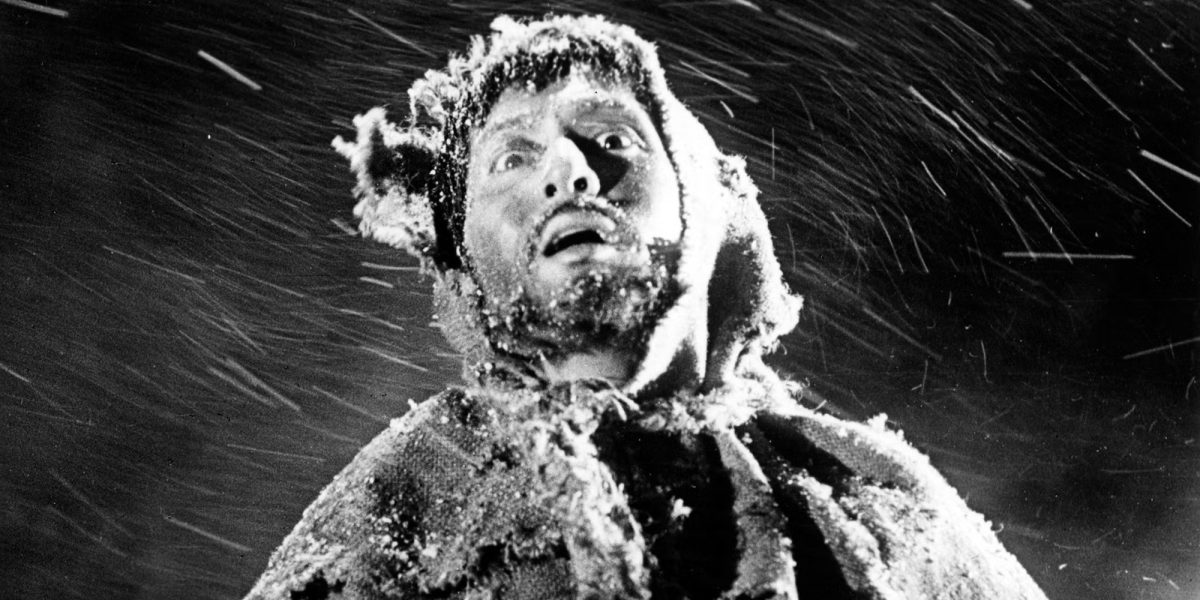
When we think of war cinema, we often imagine sprawling battlefields, trenches soaked in mud and blood, bombed-out cities, and mutilated bodies. But the greatest World War II films understand that the true devastation of war is often written on the human face. Think of the trembling spiritual exhaustion of Sotnikov in “The Ascent,” the aching yearning etched across Veronika’s face in “The Cranes Are Flying,” or the haunted close-ups of Florya in “Come and See.” These films use the close-up as a battlefield unto itself. Similarly, in Masaki Kobayashi’s monumental “The Human Condition Trilogy”, Kaji’s increasingly wearied face becomes our moral compass through a world collapsing under militarism and cruelty.
Based on a monumental six-volume novel by Junpei Gomikawa, “The Human Condition Trilogy” follows the devastating fate of the resolutely humane Kaji, who is crushed by imperial machinery and human hypocrisy. Both Gomikawa and Kobayashi were stationed in Manchukuo, a Japanese puppet state in Manchuria, and their political perspectives and personal experiences shaped this epic that served as the post-war conscience of the Japanese public. Kaji’s plight and the trilogy’s vast scope extend beyond the atrocities of World War II. Across nearly ten hours, Kobayashi tracks the systematic erosion of idealism.
Within a fascistic and militaristic structure, we watch Kaji negotiate with power, compromise, guilt, survival, and morality. In the first film, “No Greater Love,” the pacifist Kaji accepts a supervisory position at a mining labor camp in Japanese-occupied Manchuria. His earnest efforts to reform the system pull him deeper into the war machine, and in the second film, “Road to Eternity,” Kaji is conscripted into the Japanese army but refuses to obey his brutal superiors blindly. By the third film, “A Soldier’s Prayer,” Kaji wanders Manchuria like a ghostly figure in the aftermath of the Soviet invasion and Japan’s defeat.
Kaji’s refusal to fully surrender his conscience is what gives the trilogy its tragic grandeur. He loses almost everything except the stubborn insistence that human beings should not treat each other like animals. For those of us who observe battlefields from the comfort of our screens, war can easily become a spectacle. But to truly understand what war does to human beings, one only needs to look at the rapidly aged faces of Florya and Kaji.