As the 79th edition of the world’s most prestigious film festival rears its head once again, anticipation has built to a fever-pitch to see how the program will stack up against the increasingly popular lineups of years past. As one hotly sought-after title after another dropped out of contention—be it from delays in post-production or, in the case of major Hollywood offerings, cold feet with regards to a potentially tepid critical reception leading into a crucial box office weekend—Thierry Frémaux and his programming team certainly had their work cut out for them to shape a memorable year in Cannes.
But this team has faced challenging puzzles before, and no year in Cannes has ever been bereft of compelling titles from both festival veterans and new blood. So while the Croisette will unfortunately be lacking in the presence of Ruben Östlund, Steven Spielberg or (most devastatingly for yours truly) Werner Herzog, there remains a decent chunk of titles in the running this year—either for the Palme d’Or or in parallel sections—that are sure to set film culture on fire for the rest of what has so far been, as it has the past two calendar years, an otherwise fairly lacklustre time of moviegoing. Here are the 20 titles sure to light up the red carpet in the coming weeks:
20. The Unknown
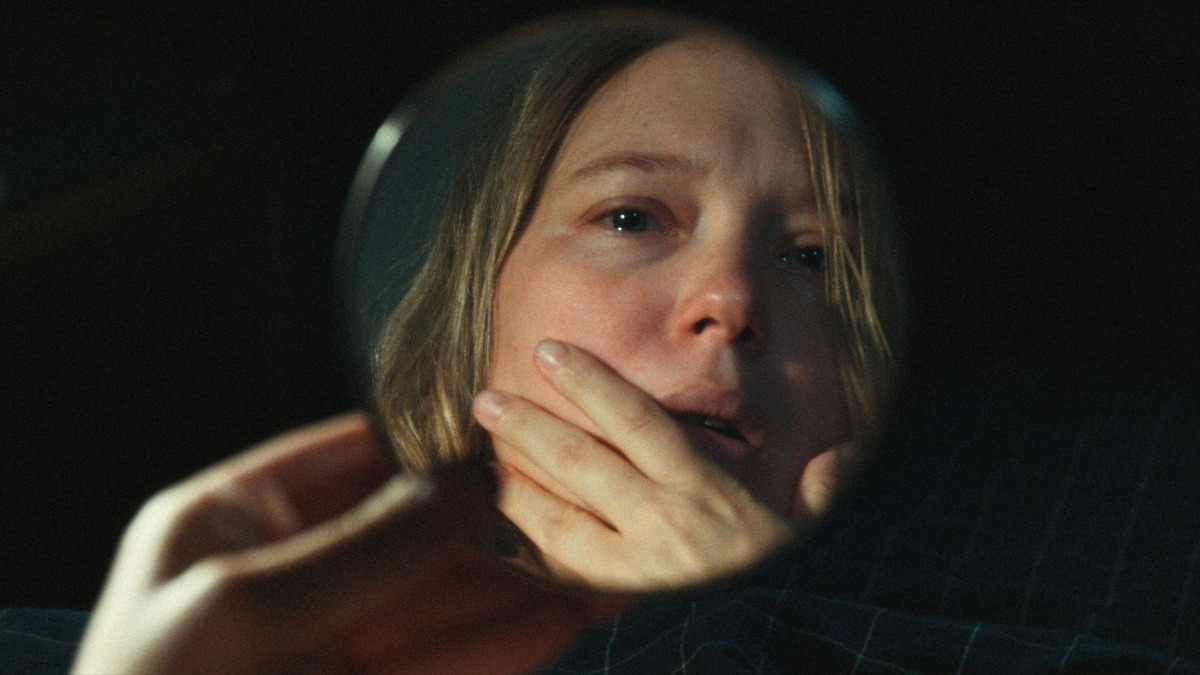
His first venture as a freshly minted Oscar-winning screenwriter, Arthur Harari, returns alongside his partner in crime (and life) Justine Triet to adapt one of his own graphic novels into what promises to be a mercurial piece of psychological fantasy. For “The Unknown,” Harari and Triet swap the roles they took on for Triet’s Palme d’Or-winning “Anatomy of a Fall,” as the former steps into the director’s chair for the story of a man who, after becoming fixated on an alluring woman, suddenly wakes up in her body.
Cannes mainstay Léa Seydoux fittingly takes on that role (in one of multiple appearances in this year’s competition lineup) as “The Unknown” promises to be—if pre-selection buzz is to be believed—a singularly confounding and heady piece of French psychodrama. In a competition lineup that skews overwhelmingly francophone in nature—between the hefty selection of quota French films and the international directors who all seem to have decided that 2026 was the year to base their works out of Paris—Harari’s project is poised to be one of the more challenging and potentially rewarding of the bunch.
19. Bitter Christmas
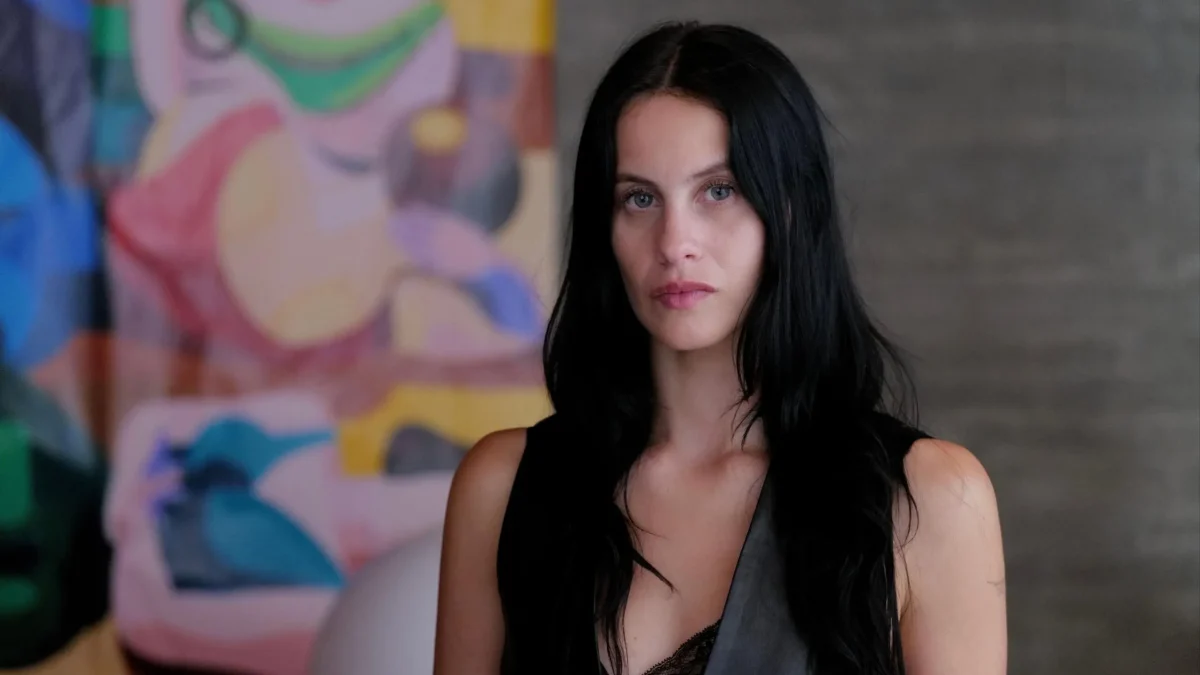
Any director coming off a project as lifeless and inert as “The Room Next Door” (Golden Lion win be damned!) would have a hard time drumming up all that much excitement for their next feature. But Pedro Almodóvar isn’t just anybody, and as the Spanish legend pushes through his 70s with a vigour for sexually fluid melodrama that would make prime Xavier Dolan look like late 2010s Xavier Dolan, “Bitter Christmas” is sure to float right past the hesitation that comes from both the director’s last tepid feature and the instant distaste that comes from any film bearing “Christmas” in its title.
Unlike the vast majority of the Cannes lineup, “Bitter Christmas” holds the unique distinction of having already premiered in Almodóvar’s native Spain—films are allowed to compete for the Palme d’Or even after premiering elsewhere, so long as the only place they have played before the festival is the film’s home nation. Home turf reception has been polite if muted, but who’s to say that Almodóvar’s latest—another self-reflexive piece in the vein of his magnum opus “Pain and Glory”—won’t resonate more deeply to an international crowd?
18. Kokurojo: The Samurai and the Prisoner
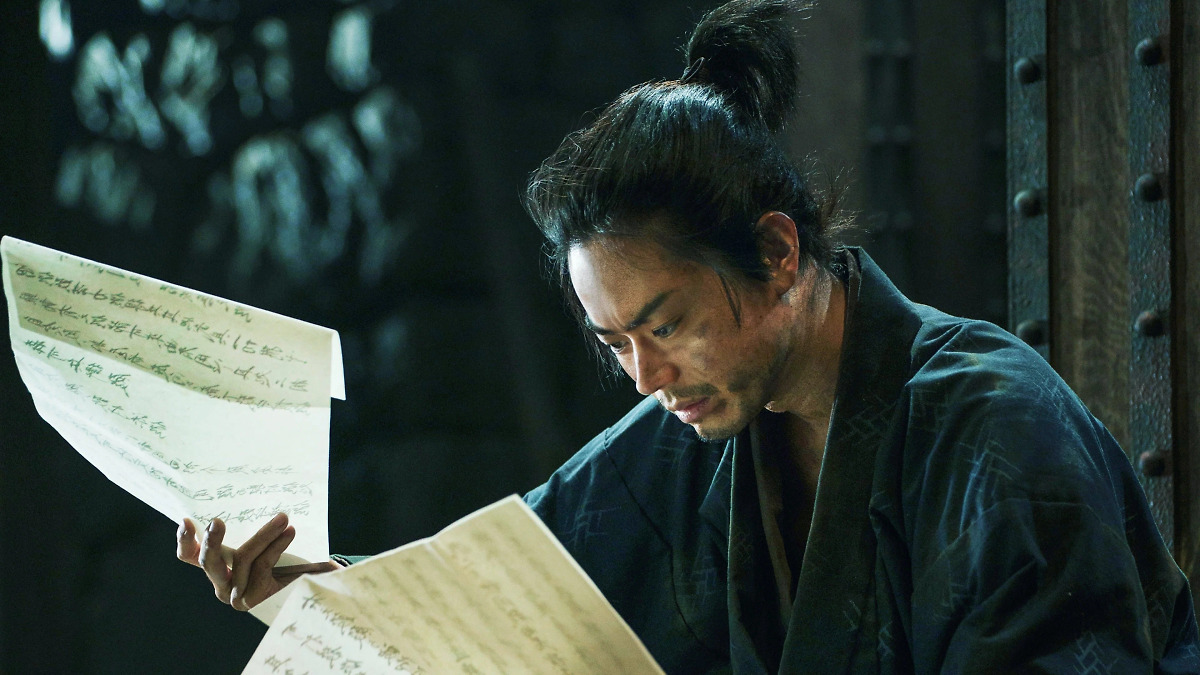
The last time a Japanese jidai-geki film played in the Cannes Premiere sidebar was Takeshi Kitano’s abysmally cheap-looking and misguidedly kitschy “Kubi” in 2023. Now, Kiyoshi Kurosawa follows up his seismic three-peat of 2024 films with his own entry in the evergreen subgenre of samurai cinema. Positioned as both a wartime siege film and a murder mystery, “Kokurojo: The Samurai and the Prisoner” will likely show off Kurosawa’s penchant for genre-mixing that was evident in those three most recent features, but this time condensed to a single 147-minute period feature.
Kurosawa has, over the course of his storied yet underpraised career, explored all manner of genres—from action to horror to psychological drama and everything in between—so “Kokurojo” is likely to show off further versatility within a framework that plays directly to the Japanese maestro’s strengths as a master of tightening tension. Whether or not the film will fully commit to the scale of its implied claustrophobia or aim for something closer to Kitano’s more pastiche-oriented fakery remains to be seen, but Kurosawa’s track record certainly leaves us much closer to the hopeful side.
17. Full Phil
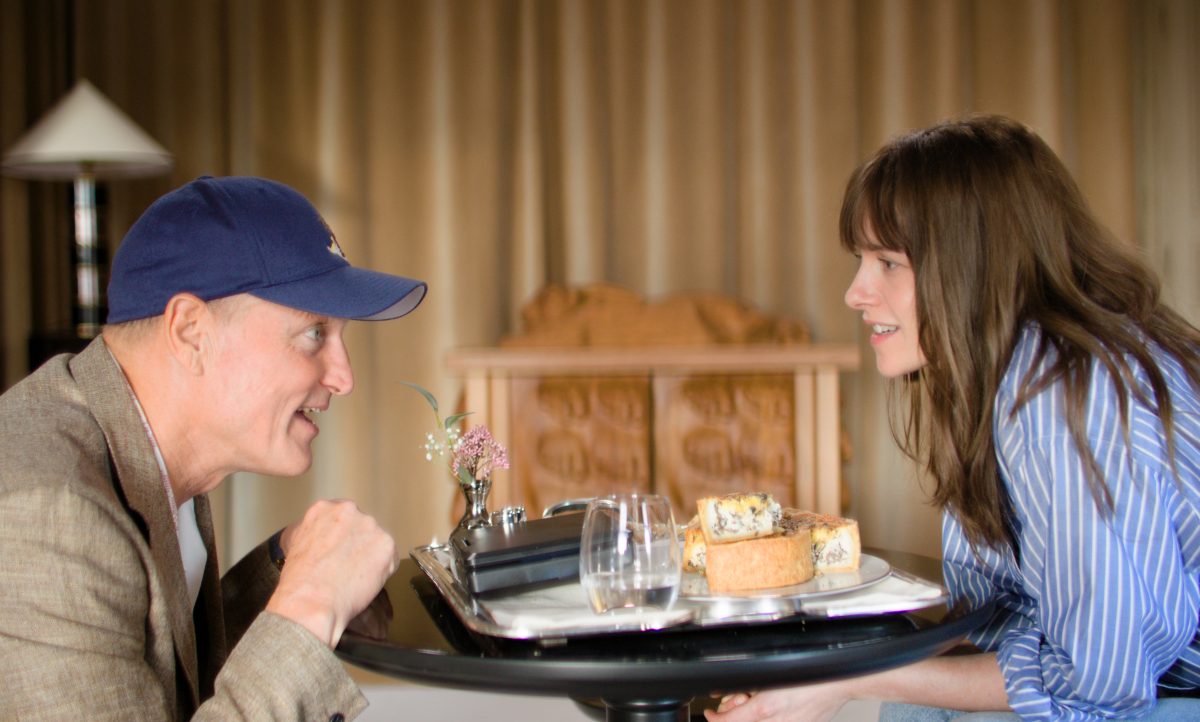
Cannes and Quentin Dupieux go together like Cannes and restaurants that keep their kitchens closed between 2 and 6 PM; so it is that 2026 will be the first year that the surrealist French filmmaker/DJ brings two films to the Croisette in a single fortnight. Entering the official selection is Dupieux’s first English-language comedy in well over a decade, “Full Phil,” and the calibre of talent onboard makes for a compelling case that this will surely be more memorable in its stupidity than “Rubber” and “Wrong.”
Cannes royalty Kristen Stewart teams up with stoned goofball extraordinaire Woody Harrelson for a Dupieux feature bound for the Cannes Midnight section—a selection known for harbouring some of the most inane and enjoyable prospects for a sleep-deprived festival-going crowd—all but ensuring that “Full Phil” will check the few boxes it needs to be a riotous time in the Grand Théatre Lumière. The film’s premise—an American industrialist’s attempts to bond with his daughter on a trip to Paris—is all the more reason to expect at least a shred of political lampooning on Dupieux’s part… if he can finally find a premise whose comedic value he can fully sustain for the entirety of his ever-minuscule runtimes.
16. The Beloved
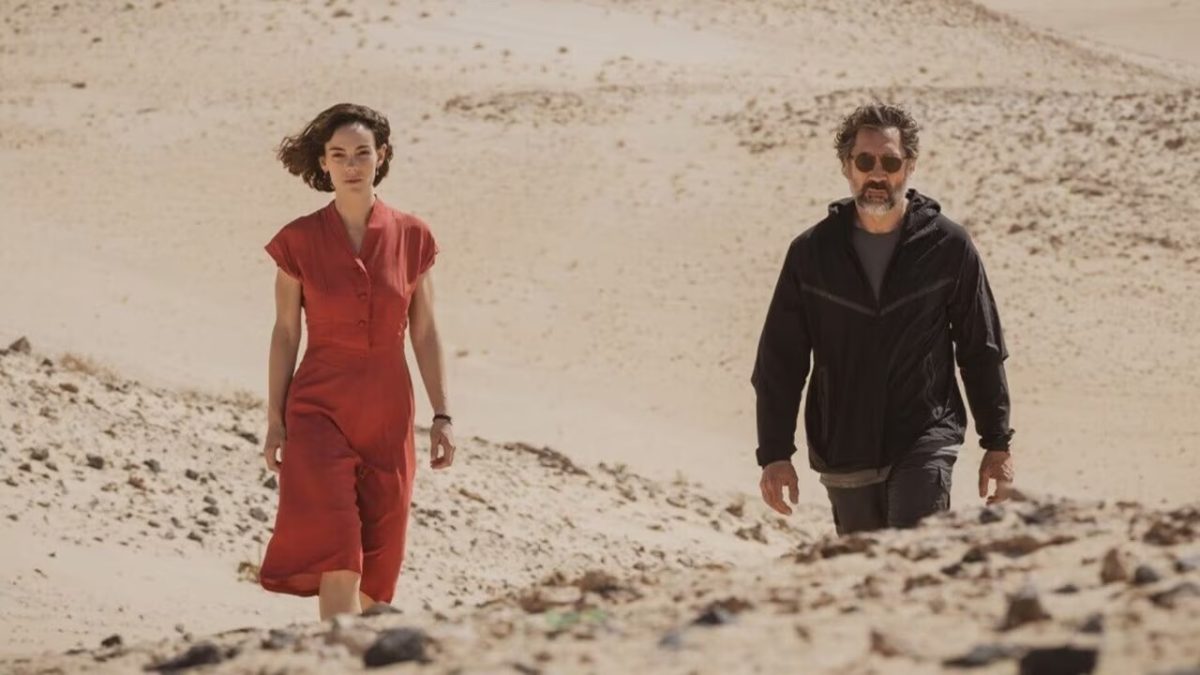
Rodrigo Sorogoyen’s “As Bestas” was such a highlight of the festival’s 2022 edition that much confusion was left lingering in the air as to why the film had been left out of the prestigious competition lineup. Well, Thierry Frémaux has heard everyone loud and clear when it comes to Sorogoyen’s follow-up “The Beloved”; that, or he and his programming team genuinely found this latest to be a great improvement over the director’s breakout feature. In either case, the boost in profile for Sorogoyen is cause for excitement.
Admittedly, the plotline of a film director enlisting his estranged daughter to work with him on his next project does ring somewhat… shall we say, familiar, given the massive success of a certain other Cannes competition feature from just last year. In any case, “The Beloved” is sure to bring Sorogoyen’s own sensibilities to the table, undoubtedly more confrontational and hardened than the comedy-drama that Joachim Trier gave us one year ago, and with Javier Bardem at the forefront of the project, that particular Spanish bite might just bring its own suave charisma to the same general proceedings.
15. Coward
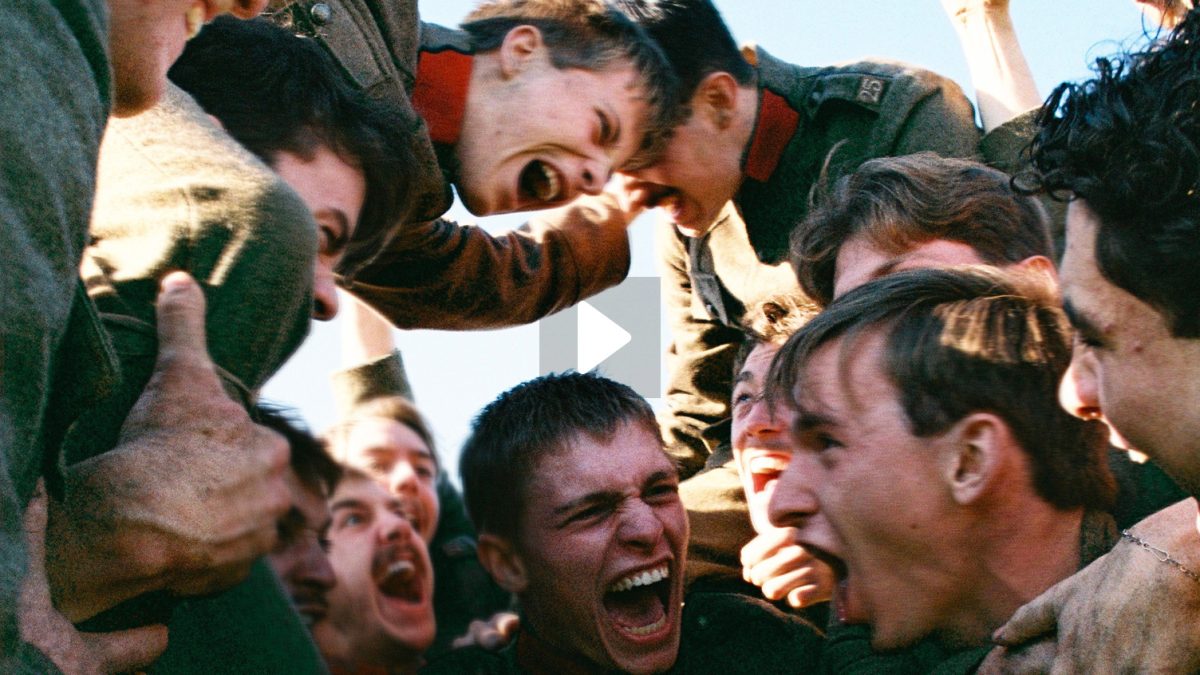
With Belgian cinema mostly relegated in the popular consciousness to the Dardenne brothers and… well, not much else (at least there are two of them!), Lukas Dhont’s space within his national cinema is a compelling one even before we consider just how diverse his catalogue is proving to be after only three films. After the well-meaning but massively tone-deaf trans drama “Girl” and the much more cohesive and impactful childhood relationship tragedy “Close,” the natural course of action for Dhont to take, clearly, would be a period piece set in the trenches of the First World War.
Though the storyline seems to hint at the same queer themes that have always preoccupied the filmmaker, the profound change in setting already makes “Coward” a whiplash-inducing prospect, with its idea of increasing soldier morale through a theatrical revue calling to mind other decently received war films like Christian Carion’s Oscar-nominated “Joyeux Noël.” Where nationalism plays into Dhont’s vision has yet to make itself clear at this point in his oeuvre, so “Coward” will certainly, if nothing else, add this dimension to his directorial persona, as his preoccupation with the boundaries of love and self is forced to make their way across barbed wire and bombed-out shelters.
14. Once Upon a Time in Harlem
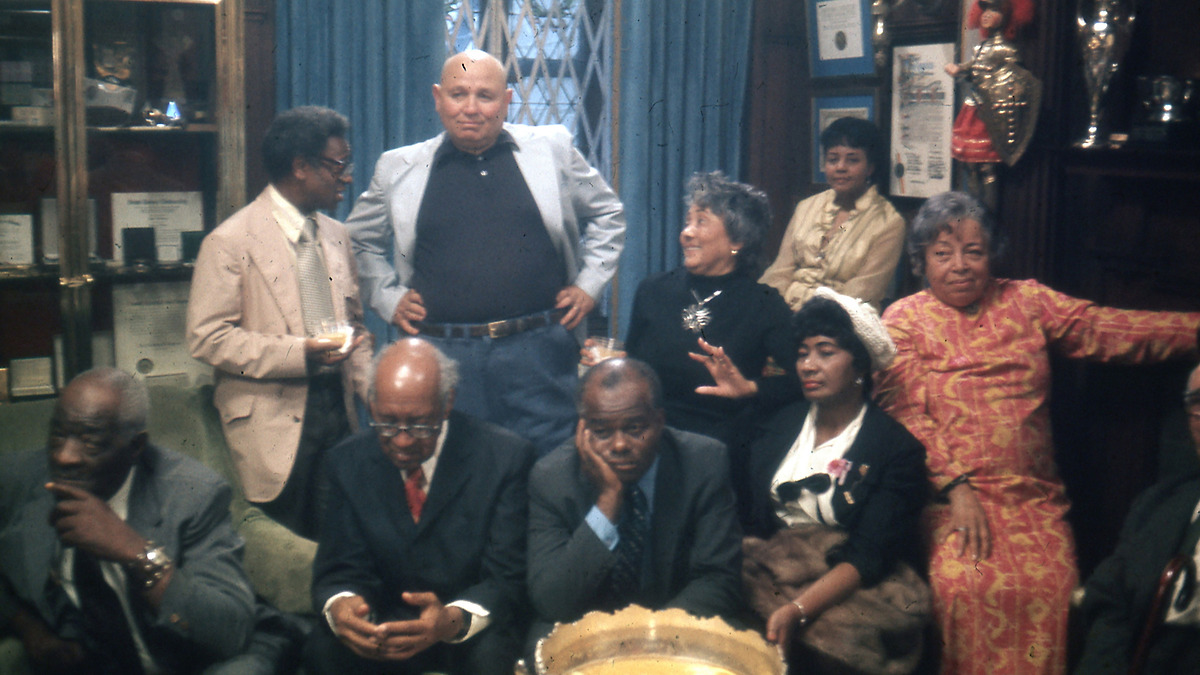
Working our way into the parallel Directors’ Fortnight section of Cannes, we find ourselves looking at another film that has already premiered elsewhere. Unlike Almodóvar’s latest, “Once Upon a Time in Harlem” has opened to a very enthusiastic reception out of this year’s Sundance Film Festival, which means far more when accounting for the fact that it’s a documentary. For all the American festivals’ faults, they do have a pretty sizeable monopoly on most of the acclaimed and discussed documentaries in any given year. Even more notable, though, might just be the climate of the film’s making.
An examination of a party during the Harlem Renaissance, captured by legendary African American documentarian William Greaves, “Once Upon a Time in Harlem” finds renewed context for this footage in the hands of Greaves’s own son, David. More than a decade after the senior Greaves had died, his son had decided to return to this incomplete project to find artistic closure in much the same way that many children of cinema have done in the past. As personal and cultural history blend together, Greaves’s revisitation of his father’s themes will surely find a space to enliven the streets of the Croisette just as its subject had in its titular Manhattan neighbourhood.
13. Her Private Hell
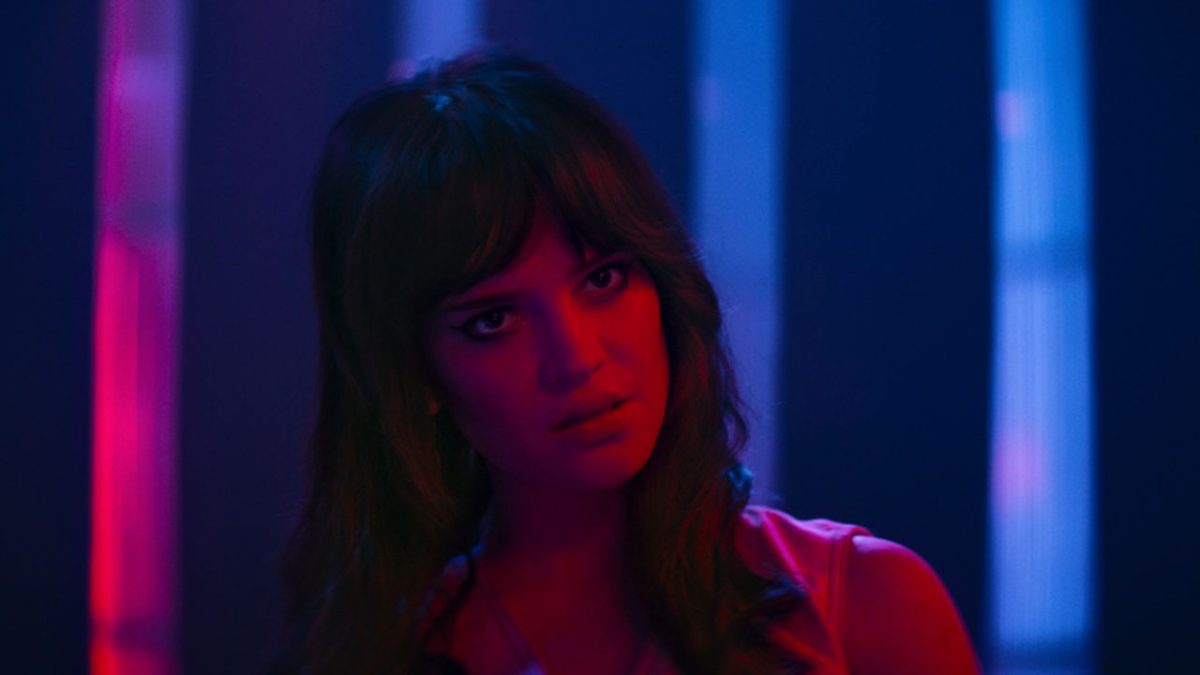
It’s hard to believe that 10 years have passed since the last time Nicolas Winding Refn hit the red carpet with a new feature film—he has, for what it’s worth, spent the intervening time in the realm of streaming miniseries—but the time has finally come for the Danish fanatic of pomp and excess to bring us back to something more contained. This doesn’t, of course, guarantee that “Her Private Hell” will be anything less than a bombastic display of aesthetic exorbitance, as the director’s promise of “lots of glitter and sex” brings his typically streamlined (if shallow) sensibilities right to the fore once again.
Though the film’s placement as an out of competition premiere does raise a few eyebrows—especially when considering that “Only God Forgives” and “The Neon Demon,” hardly paragons of unbridled critical acclaim, had no problem earning a slot to compete for the Palme d’Or—“Her Private Hell” remains likely to turn heads until they dislodge altogether and blood comes pouring out of all our mouths. In other words, while Refn is unlikely to light up the critics’ scoreboard, he’ll surely find the energy to leave us all drowning in our own counterintuitive desires for more dizzying lightshows and deafening synth music.
12. The Black Ball
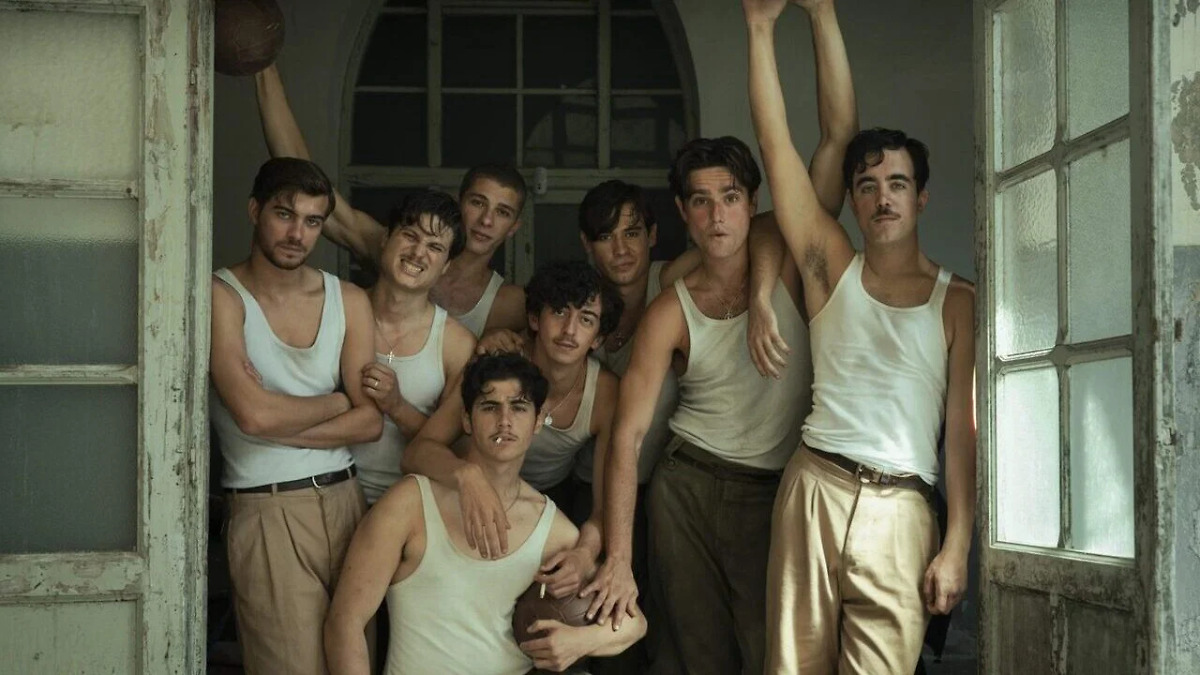
“The Black Ball” is one of the only Cannes competition entries to come from complete newcomers to the festival, and who better to cement Spain’s uncommonly vast foothold in this year’s lineup than two gay Spaniards named Javier? Javiers Ambrossi and Calvo make their Cannes debut with an era-spanning exploration of the lives of gay men in Spain—going from 1932 all the way to 2017—and the undeniable ambition of their premise raises as much curiosity as their previous efforts in queer-based comedy.
If “Holy Camp!” is anything to go by, Ambrossi and Calvo will surely find a colourful and musically oriented space to unleash their sexually expressive ambitions in such a sprawling framework, and the presence of a few familiar faces might facilitate the experience for those on the warier side. Penélope Cruz, “Problemista” spearhead, Julio Torres, Spanish musician—alright, here we go…—Guitarricadelafuente, and most unexpected of all, Glenn Close round out the familiar names christening “The Black Ball” with their star power. But judging by the focused perspectives within such a massive narrative undertaking, we can be sure that Calvo and Ambrossi will be resting most of their emotional impact on those less familiar faces that light up the screen.
11. The Dreamed Adventure
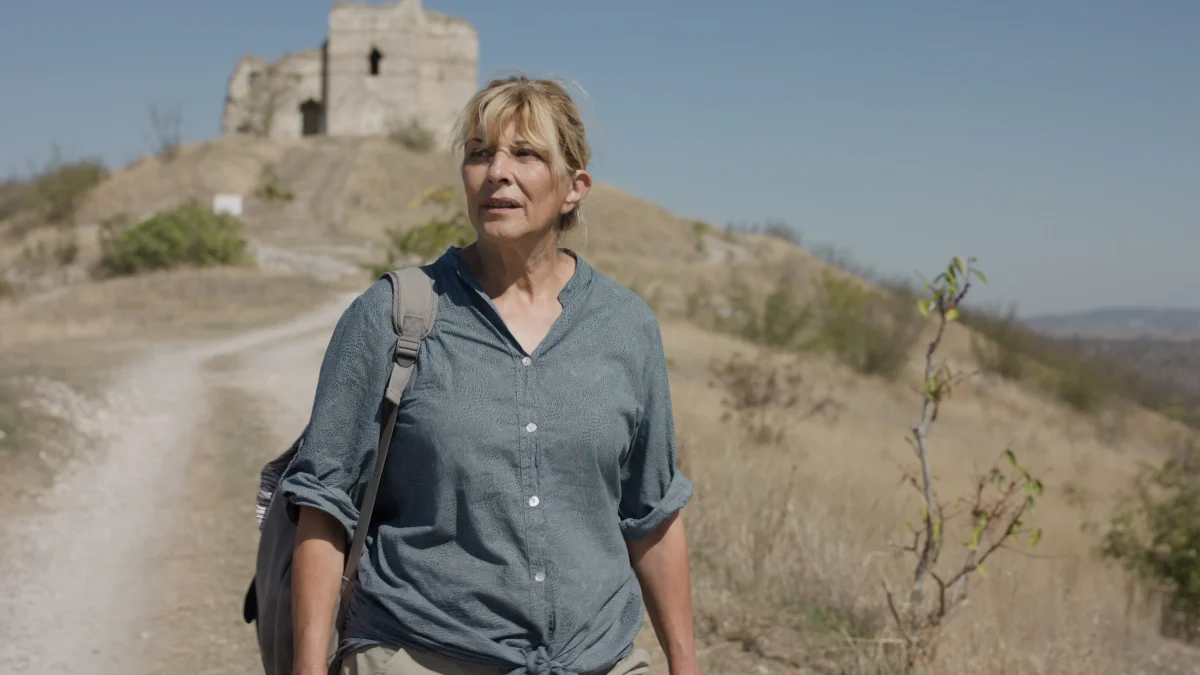
Another Cannes newcomer will be the second German woman filmmaker in two years, but whatever comparisons that might evoke with Mascha Schilinski and her hefty breakthrough “Sound of Falling,” you might as well shift gears altogether when it comes to “The Dreamed Adventure.” Having already cultivated her own compelling perspective on the relations between German contract workers and the Bulgarian locals neighbouring their work sites in the fascinatingly understated “Western,” Valeska Grisebach looks to return to those Eastern borders once more (though how much of a role Germany will actually play this time around remains to be seen).
Set along the borders between Bulgaria, Greece and Turkey, and already saddled with a heavy 162-minute runtime, “The Dreamed Adventure” will definitely, if Grisebach’s prior work is to be used as a metric, be on the more demanding side, but so too is it likely to reward that patience with yet another compelling exploration of bordered relationships in the quietude of Europe’s rural landscapes. Enlisting another reclusive German filmmaker, Maren Ade, as a producer surely lends Grisebach some extra credit, all but ensuring that the director’s near-decade absence will prove gratifying in her newest piece of uncompromisingly compassionate cinema.
10. Parallel Tales
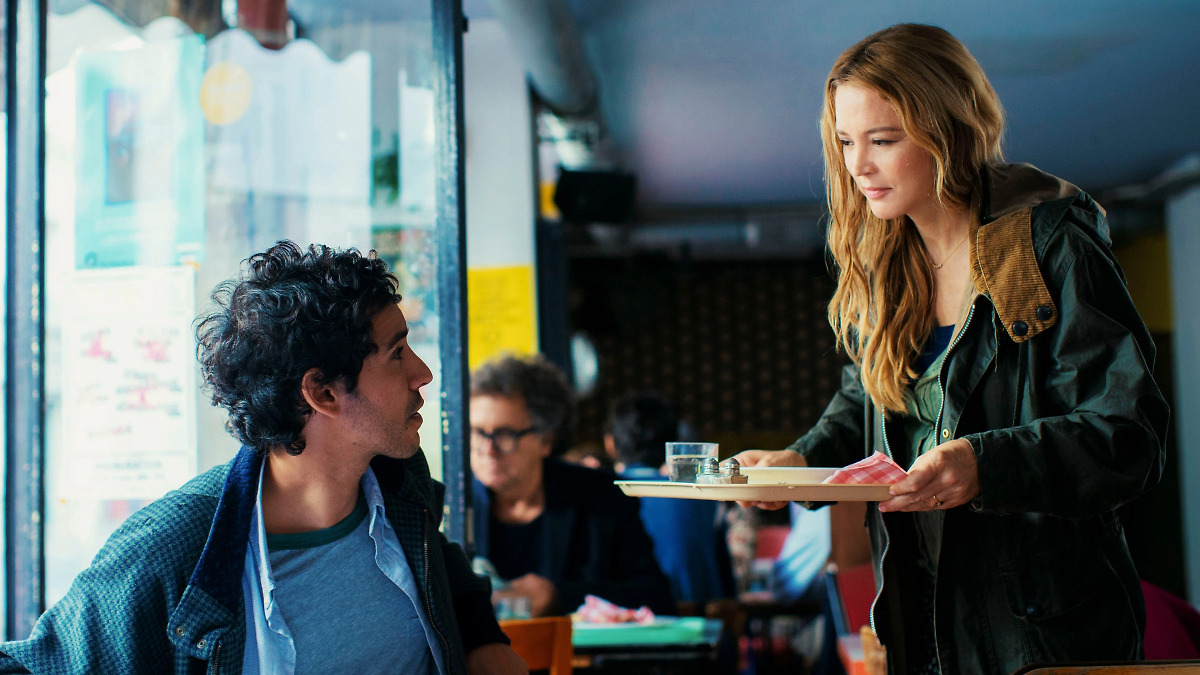
Of all the filmmakers who decided that now was the time to make “Liberté, Fraternité, Égalité” their motto, Asghar Farhadi—an Iranian director who’d finally begun to run afoul of the regime even before Trump’s latest war had started—probably had the most urgent cause to make Paris his new base of operation. Farhadi’s move to France with “Parallel Tales,” if nothing else, makes full use of his fresh welcome with a cast composed of virtually every notable French talent who isn’t retired or dead. Isabelle Huppert, Virginie Efira, Vincent Cassel, Pierre Ninney, and Catherine Deneuve round out a real murderer’s row of talent to bring the expert screenwriter’s latest twisting narrative to life.
That “Parallel Tales” is something of a loose reinterpretation of Krzysztof Kieślowski’s “Dekalog VI” puts Farhadi in precarious waters as far as precedent is concerned—we already have “A Short Film About Love,” as it is—but the filmmaker’s longstanding interest in the conflicting and overlapping nature of humanity’s innate capacity for self-preservation bodes well for a project whose dramatic heft will hopefully—and really, in all likelihood—be more creative than its title.
9. Sheep in the Box
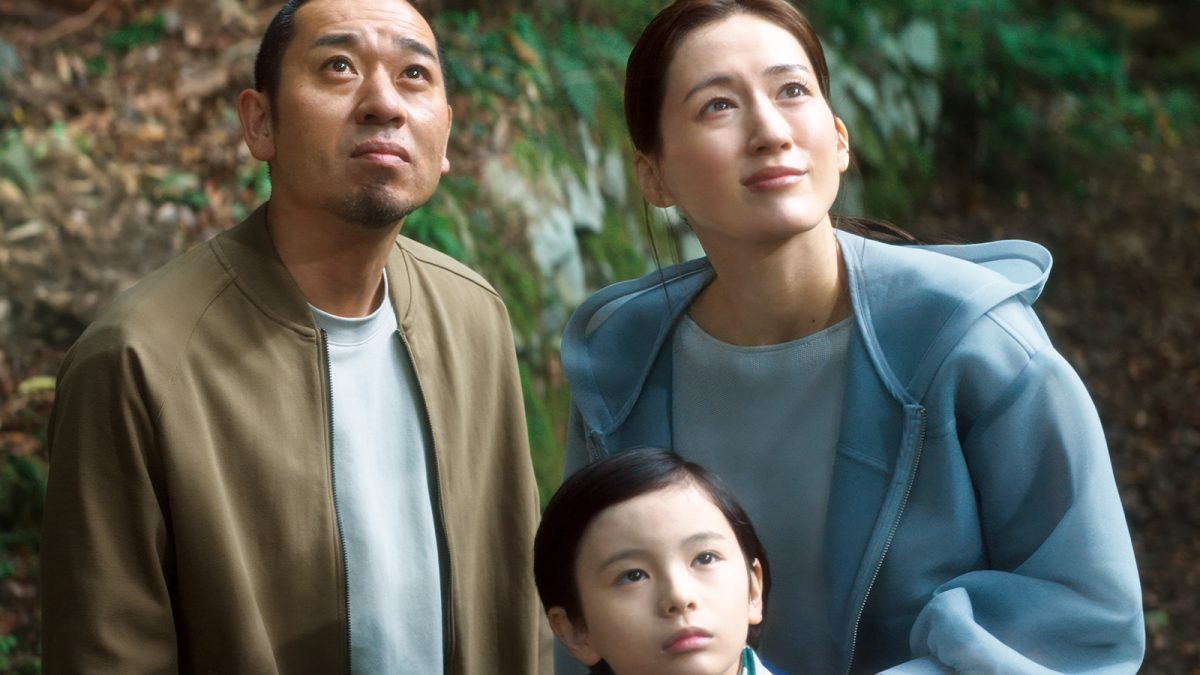
The last time Hirokazu Kore-eda took a three-year gap between films, it felt like an eternity. This time, after the great success of “Monster” in 2023 (and some time spent working on long-format storytelling for Netflix), Kore-eda returns with not one, but TWO new features for 2026. Sadly, only one, “Sheep in the Box,” will make its way to Cannes, but the package is a tantalizing one nonetheless, as the director’s eternal fascination with found families takes on a new, more robotic direction.
Reminiscent in some ways to Steven Spielberg’s divisive “A.I.: Artificial Intelligence,” “Sheep in the Box” promises to explore the underlying humanity of a family unit that fills the loss of its dead son with a humanoid robot. If Spielberg’s film was a rocky prospect due to the filmmaker’s trademark sentimentalism clashing with its more Kubrickian ideas, then Kore-eda’s own late-career leaning towards flashes of soppiness might also be worrisome. But the Japanese artist has already imbued far more ridiculous concepts with a disarming sense of compassion (“Air Doll,” anyone?), so his latest is well-positioned to revisit these questions of what constitutes humanity in an age where the boundaries of technology begin to encroach more than ever before.
8. Butterfly Jam
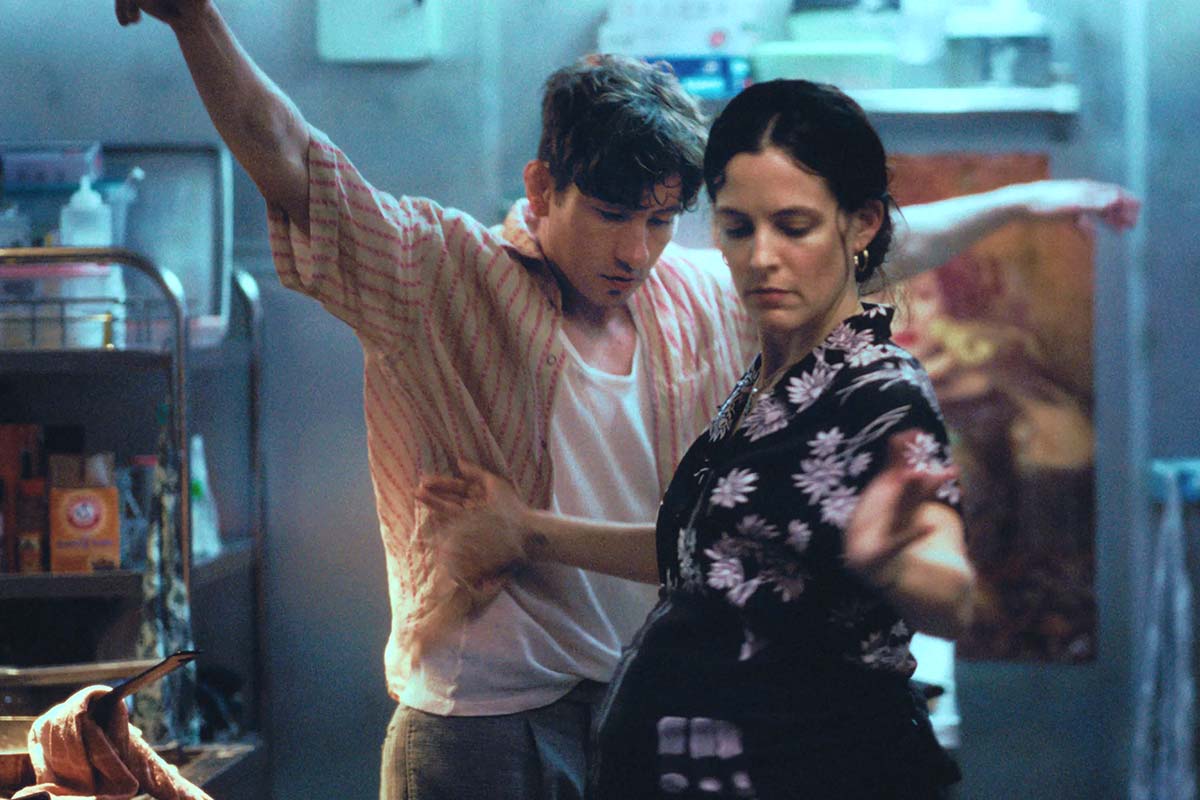
Kantenir Balagov’s “Beanpole” was such an immediately striking feature that shockwaves were sent across the arthouse scene when the dissident Russian filmmaker, only two films into a fruitful career, expressed his desire to retire. Thankfully, that sentiment has obviously come and gone, and while one would have expected (and hoped) that “Butterfly Jam” would mark his much-deserved jump to the competition lineup, Balagov’s third feature nonetheless offers a hopeful (in terms of quality, if not necessarily tone) opening statement for this year’s Director’s Fortnight section.
The filmmaker’s English-language debut, featuring Barry Keoghan and Riley Keough, “Butterfly Jam,” appears to ingrain itself in the Circassian diaspora of New Jersey to present a widely unseen ethnographic portrait through Balagov’s typically blunt lens. Not every director needs to approach their own perspective on the American Dream, but Balagov’s particular place as an expat of Russian cinema offers him a vantage point that might just shape that perspective into one worth indulging, as Circassian cuisine and wrestling find the space for a grimy tussle.
7. Teenage Sex and Death at Camp Miasma
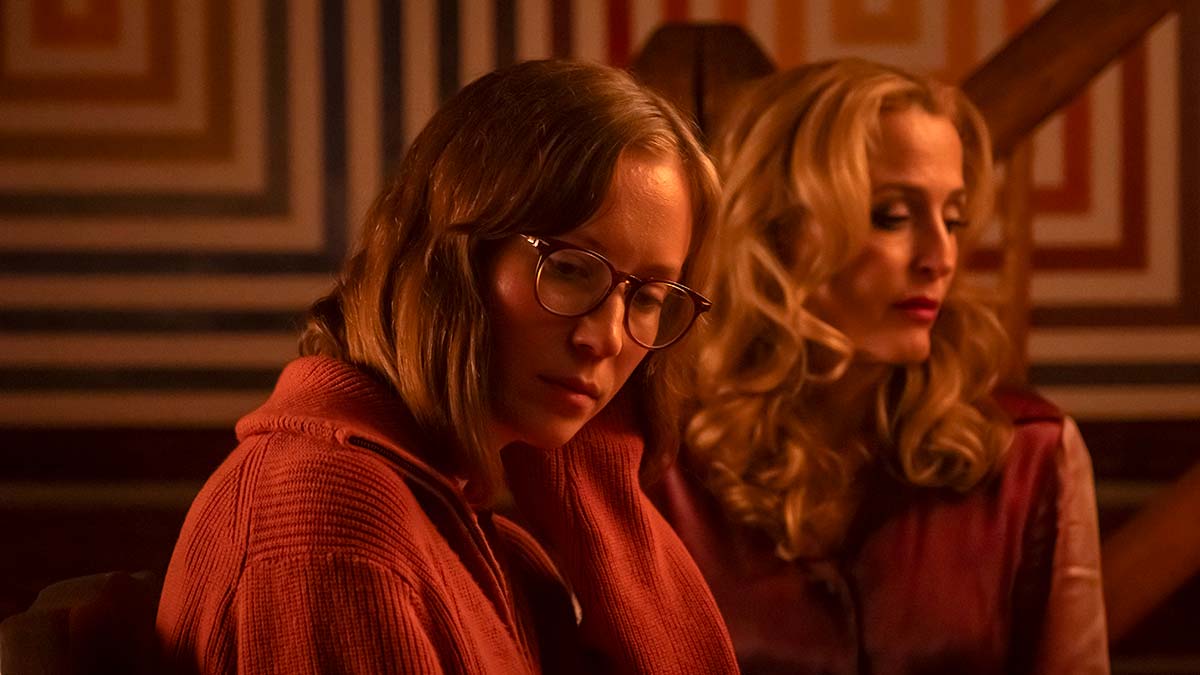
Anticipation for Jane Schoenbrun’s follow-up to “I Saw the TV Glow” couldn’t possibly be higher, and if the wonderfully titled “Teenage Sex and Death at Camp Miasma” wasn’t already a hot-ticket item in the lead-up to its August release, then a slot as Cannes’s Un Certain Regard opener has surely brought that excitement to a fever-pitch.
After the massive jump in production value and scale that came after their dismal debut “We’re All Going to the World’s Fair,” Schoenbrun appears to have upped the ante tenfold for a slightly surreal slasher that harkens back to the pulpy horror films that marked their childhood, in the hopes that their love letter to the sub-genre will find its own space to inspire young, edgy minds for generations to come.
“Teenage Sex” aims to incorporate some meta elements into its narrative—a slasher set around the making of the latest slasher in a long-running cult franchise—which might just mean that Schoenbrun’s penchant for letting their soul bleed all over the screen will take on a much more direct meaning than ever before. It’s difficult to imagine a film more viscerally personal than “I Saw the TV Glow,” but Schoenbrun’s assurance that they are in a much better mental space now brings hope that this latest effort will bear that soul in a more joyously sadistic manner.
6. Minotaur
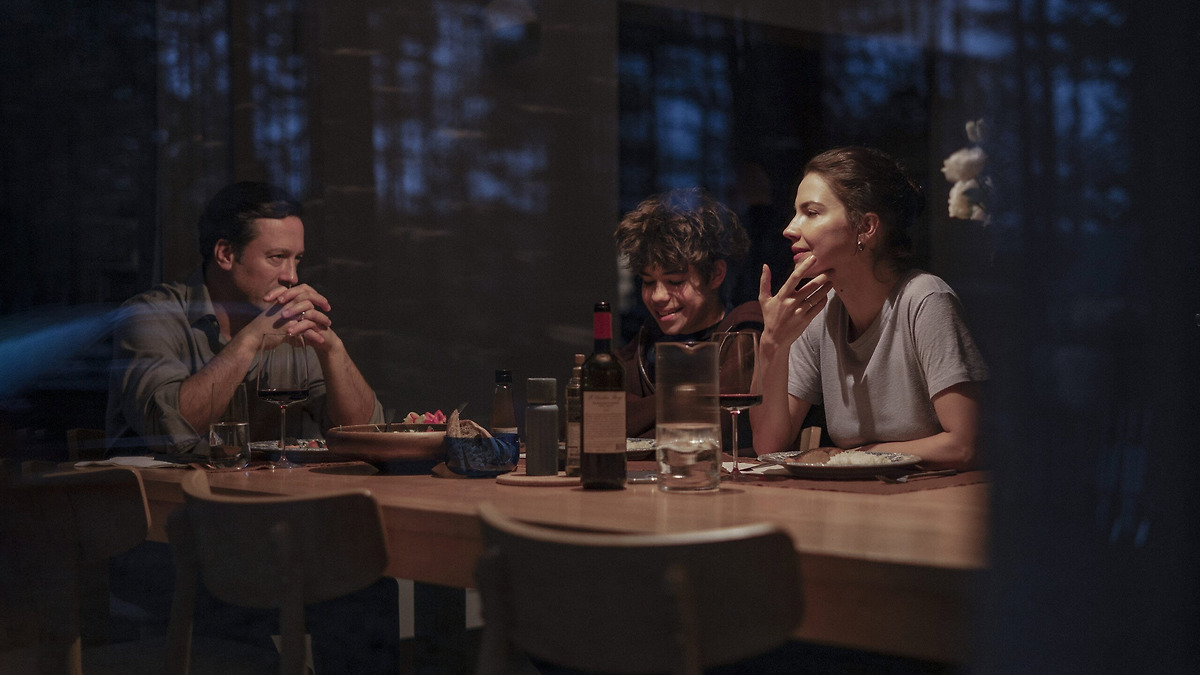
My, how we’ve missed Andrey Zvyagintsev! A Russian dissident filmmaker whose own hiatus has been far shakier than Balagov’s—including a life-threatening bout of COVID that forced him into an induced coma—one has to wonder where, if at all, “Minotaur” will place itself in the grand scheme of the filmmaker’s life story.
The premise, about a business executive who learns of his wife’s affair just as he’s preparing for a massive staff layoff, doesn’t seem to hint at much auteurist self-reflection, but it sure as hell fits into the framework of the gloriously patient thrillers that the director had given us time and time again before this health scare.
Coming off his best feature to date, “Loveless” (hard to believe that was almost a decade ago now), “Minotaur” clearly hopes to show that Zvyagintsev can get right back on the horse and not miss a single step, and though it’s been a while, every bit of precedent gives us no reason to doubt him. With details on the project otherwise scant, all we can do is wait with bated breath to see the “Leviathan” director bring that Russian chill to the French Riviera once again.
5. Fatherland
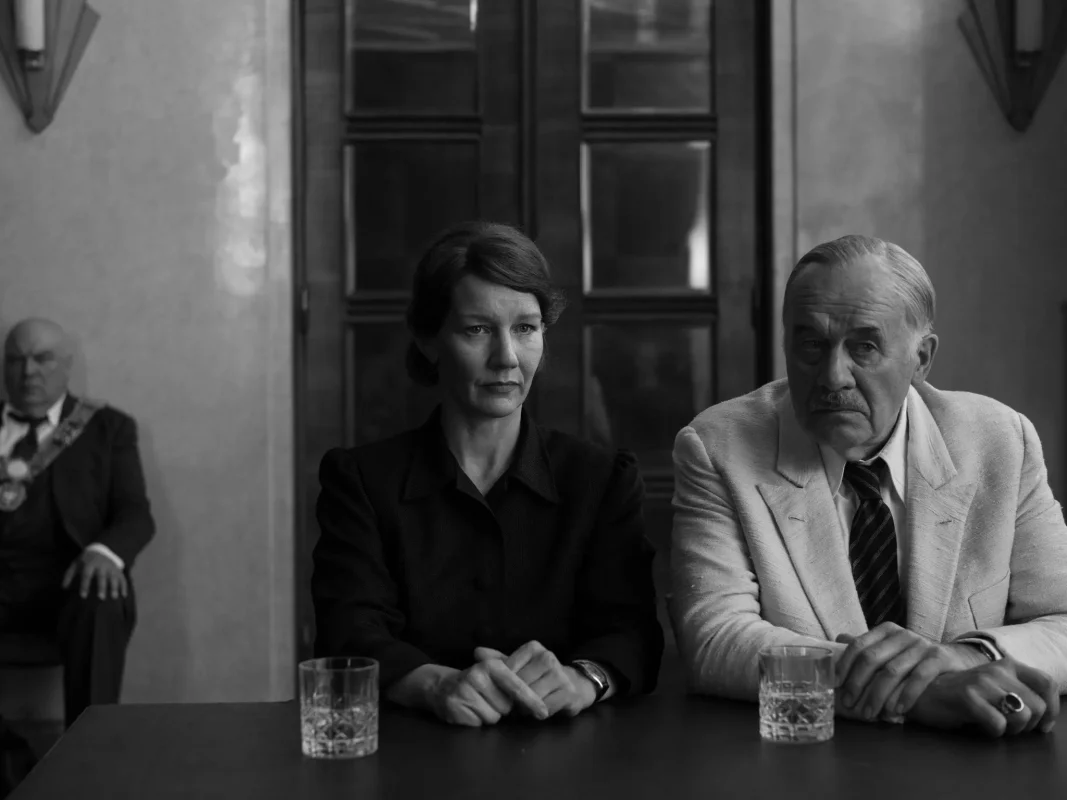
Speaking of arthouse darlings who’ve been absent for almost a decade, we turn our attention now to Polish artist Paweł Pawlikowski. Unlike Zvyagintsev, Pawlikowski’s long absence (more precisely, eight years) is rather questionable given the (thankful) lack of health scares and the incredible acclaim of his last Cannes-bound project, “Cold War” (including a surprise Best Director nomination at the Oscars). After his Joaquin Phoenix/Rooney Mara project “The Island” stalled production in 2023, though, Pawlikowski seems to have shifted back towards familiar territory with “Fatherland.”
Once again examining a postwar European landscape, Pawlikowski’s latest moves away from his native Poland and this time explores the road-bound journey of one of Germany’s most respected modern writers and his daughter. With Hanns Zischler and indie powerhouse Sandra Hüller inhabiting those respective roles, “Fatherland” looks to continue to flesh out Pawlikowski’s fascination with a fractured society left to pick up the pieces after the devastation of WWII, just as a new war began to cement itself between the East and the West. And with another sub-90-minute runtime, it’s comforting to see that the director’s penchant for economy of scale has gone unchanged since his hiatus.
4. Fjord
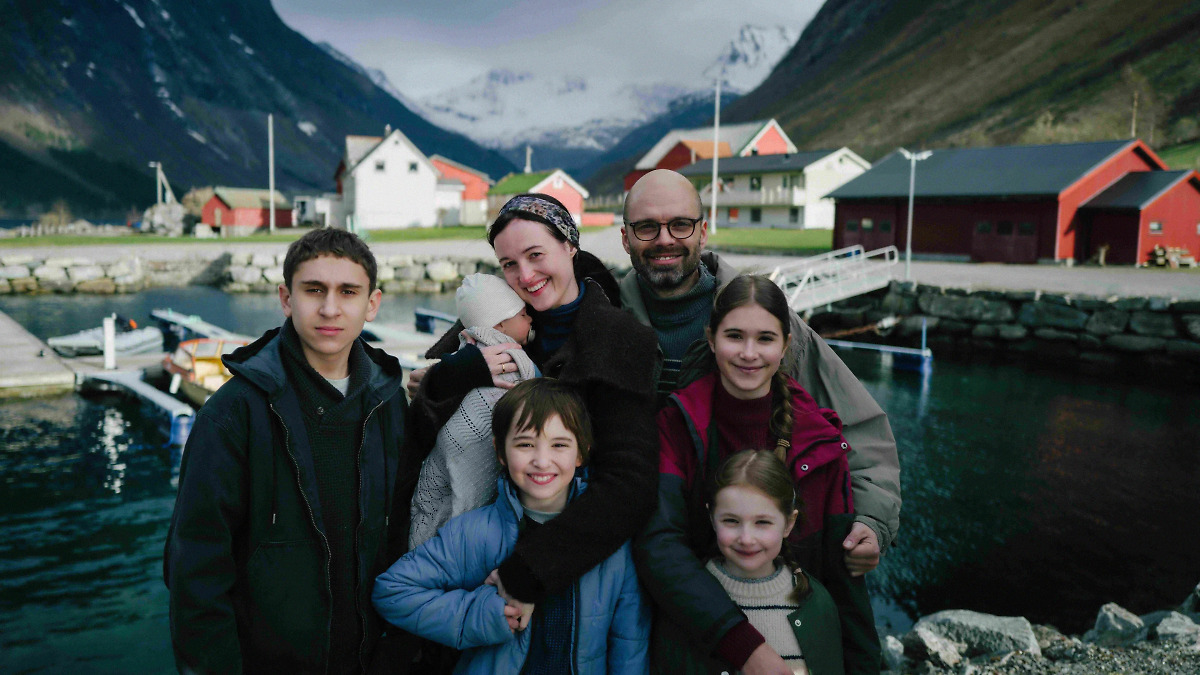
Far too often, we hear tell of Hollywood actors born abroad who express a desire to work with the most famous arthouse filmmaker of their native land, only for such expressions to remain strictly relegated to the land of the hypothetical. Not Sebastian Stan. As the Romanian-born actor continues to slowly climb out of the bottomless pit of the MCU, his recently expressed desire to work with “4 Months, 3 Weeks and 2 Days” director Cristian Mungiu has come to fruition almost as quickly as that desire was expressed in the first place. While the resulting “Fjord” sadly looks to keep Stan rusty in his own Romanian dialect, the presence of his “A Different Man” co-star Renate Reinsve will surely make up for it!
Playing a Romanian-Norwegian couple whose lives are thrown into disarray when their move to a remote Nordic village leaves the townsfolk suspicious of disturbing behaviour amongst their children, Stan and Reinsve will undoubtedly find in Mungiu’s tighteningly frantic style the perfect venue to express the sort of sociological anxieties that the director’s prior “R.M.N.” promised, if failing only slightly to deliver with the more focused scale of his usual work. With two leads always ready to sink their teeth into devastatingly precise material, it’s safe to hope that Mungiu will once more be in top form.
3. All of a Sudden
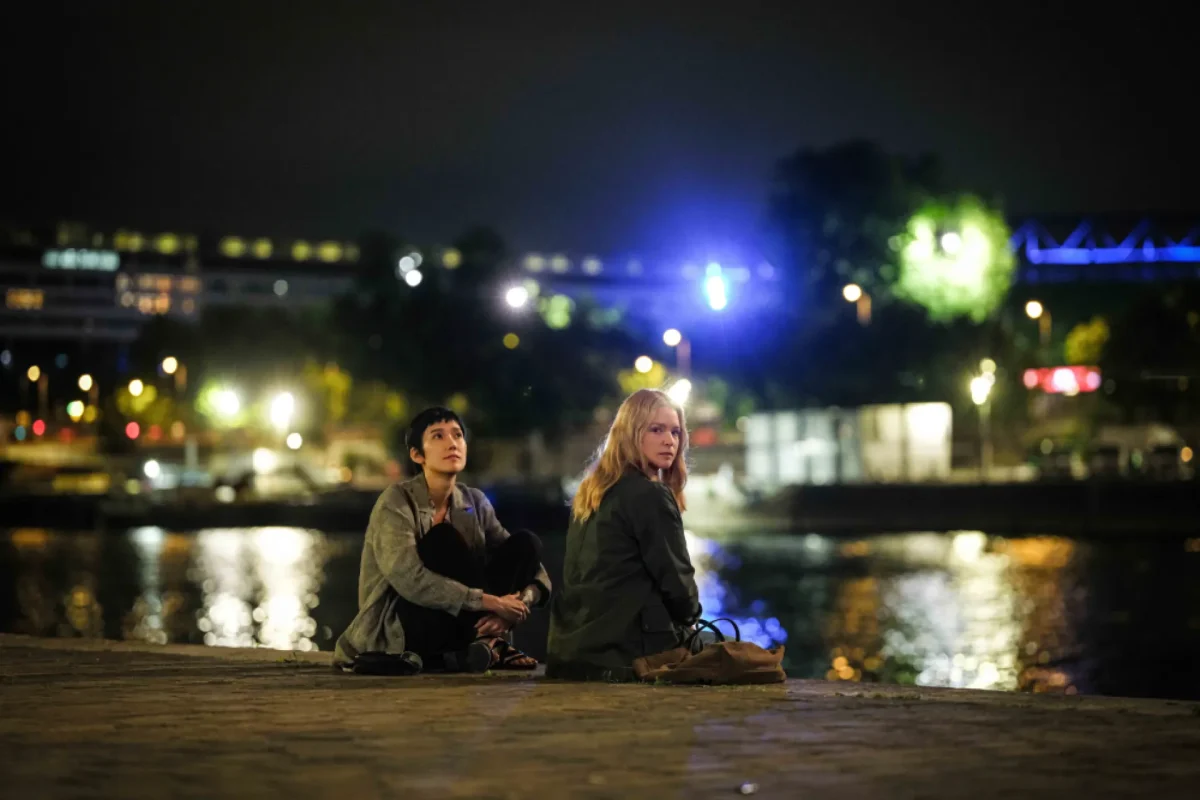
In a few short years, Ryusuke Hamaguchi has become an unmatched global festival darling—his three most recent features have scooped major prizes in Berlin, Cannes and Venice—and in his first trip to Cannes since his biggest hit “Drive My Car,” it looks as if the Japanese filmmaker will once again be stretching his ambitions across a sprawling runtime to examine the unravelling frailties of the human condition. Set in Paris with Virginie Efira and Tao Okamoto as the co-leads, “All of a Sudden” will examine nursing care and terminal illness with the sort of dialogue-heavy weight that Hamaguchi brings to all of his efforts.
Having been inspired to make the film after reading a series of letters between philosopher Makiko Miyano and anthropologist Maho Isono as the former was dying of breast cancer, Hamaguchi’s decision to tackle this sort of potentially cumbersome subject matter will undoubtedly be justified by the same empathetic and detailed perspectives that have made all of his films so gradually revealing in their compassion for how our decisions affect those around us. Coupled with Efira’s decision to learn Japanese in preparation for this role, it looks as if “All of a Sudden” is exactly the sort of project that calls all of its participants to bring every concerted effort to the forefront.
2. Paper Tiger
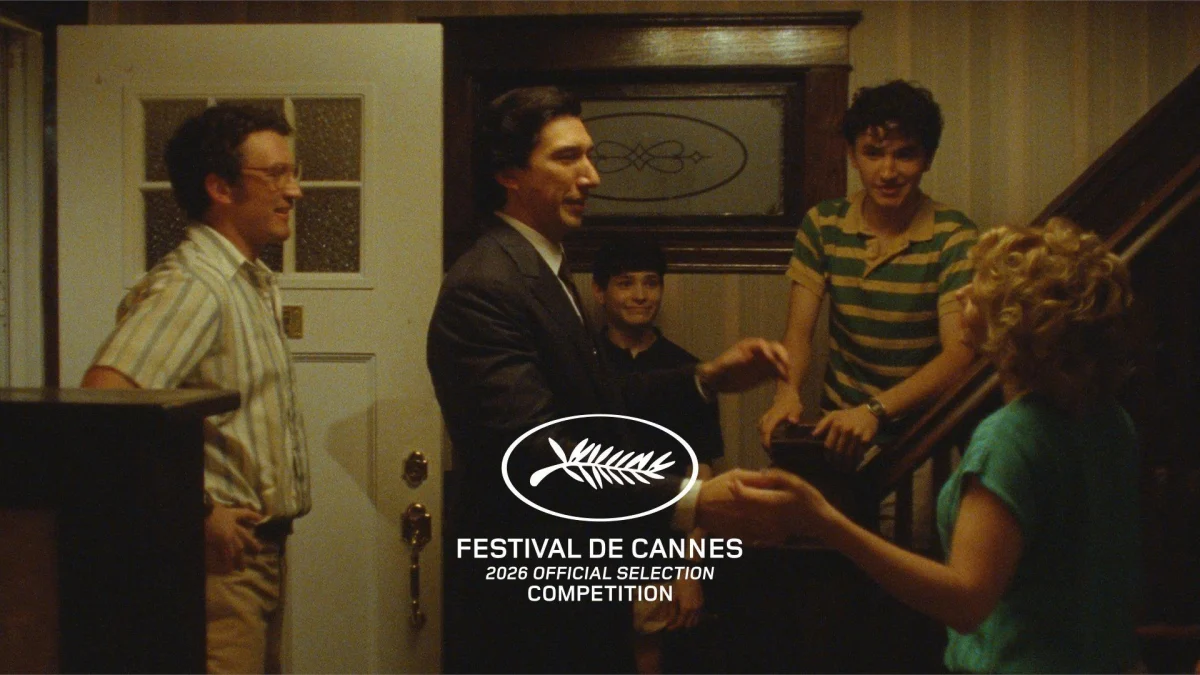
Is there a more underrated director in American cinema than James Gray? It’s difficult to say, but the New York-bred filmmaker has made crime films, Amazonian explorations, and poetic space-bound epics without ever missing a beat, and after peaking with his most personal effort yet—the expectedly underrated but subtly searing “Armageddon Time”—one can’t help but be fascinated by where Gray would be headed next. As it turns out, back to the beginning, as “Paper Tiger” finds him revisiting the down-and-dirty crime sagas that set his career on track all the way back in the mid-1990s.
With auteurist tourist Adam Driver in the front seat, and Scarlett Johansson and Miles Teller riding shotgun, “Paper Tiger” looks to explore some of the same Russian mafia angles that Gray had previously tackled in the likes of “Little Odessa” and “We Own the Night,” but with his own perspective on where the American Dream fits into those struggles more directly. Having already demythologized the childlike wonder of American exceptionalism with his previous outing, Gray’s refreshed perspective on the topic looks to bring yet another heater to the table that will, hopefully, finally signal the breakout the filmmaker has long deserved.
1. Hope
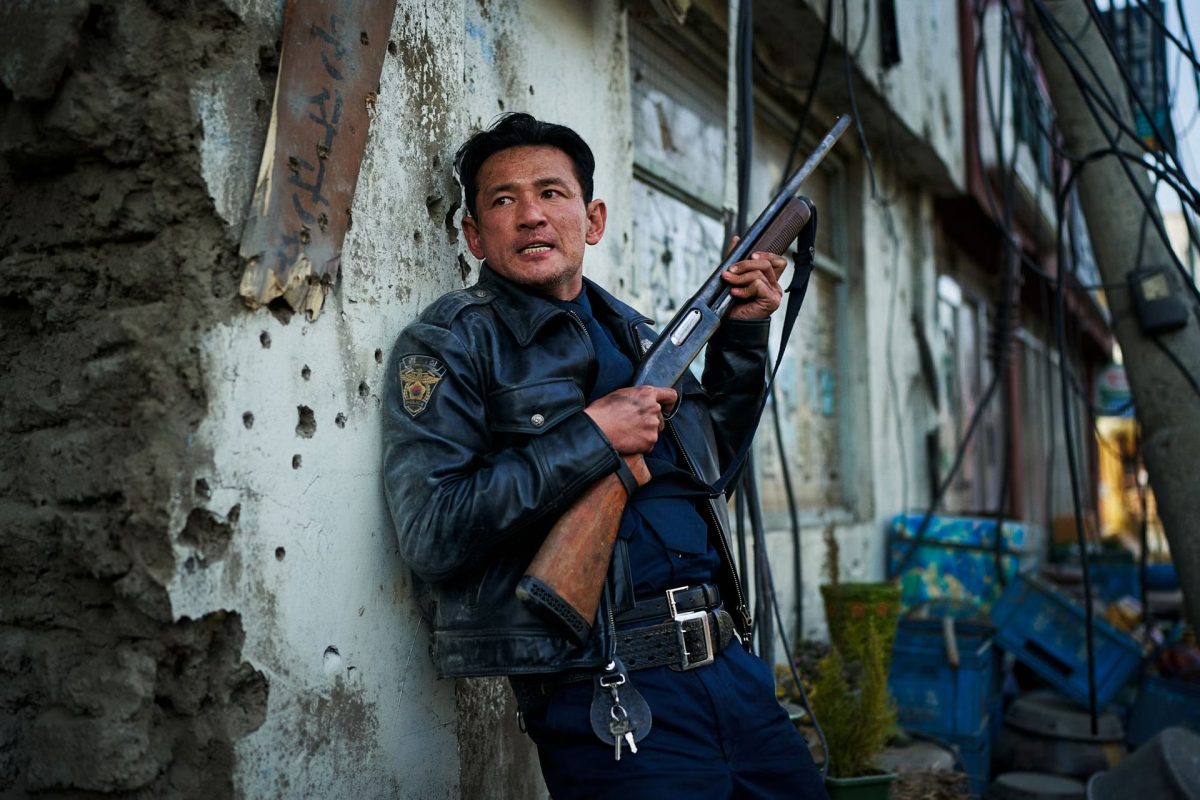
Every one of Korean genre master Na Hong-jin’s films has played somewhere on the Croisette, but never in competition. That finally changes with “Hope,” Na’s first film in a decade when he absolutely floored horror audiences with the ever-shifting “The Wailing,” and looks to bring, with this upped profile, storytelling ambitions beyond our wildest expectations. Featuring a cast of local Korean talent alongside unexpected Western faces like Michael Fassbender, Alicia Vikander, and Taylor Russell—all rumoured to be playing aliens—“Hope” might just be Na’s most unwieldy project yet, but the tightness with which he approaches all of his thrillers ensures that this expansive endeavour will have eyes locked to the screen regardless.
As NEON shamelessly seeks to secure a seventh consecutive Palme d’Or win, “Hope” joins one third(!) of the lineup having been acquired by the American distributor, hinting at a faith in Na’s prospects that would normally elude such a potentially explosive piece of genre cinema. Regardless, Na’s attention to the tangible rush of anxiety that can sustain itself for almost three hours of runtime has proven itself more than present in the past, and surely looks to return once more in a long-gestating passion project that will inspire equal passion among the petrified moviegoers all across the Palais des Festivals.