As the Cannes Film Festival geared up for its 2026 edition, questions of the event’s viability without the presence of massive Hollywood productions to steer eyes in its direction permeated the air for weeks. And while Cannes has, in years past, cemented its annual impact by way of its arthouse titles rather than the one-off blockbuster screenings that would gradually subside as the festival entered its second week, this year’s rendition of the world’s most important film festival certainly felt the absence of the glitz on the Croisette.
Whatever impact is missing from the lack of star-studded screenings could normally be compensated through the intimately produced international dramas that sneak their way onto our radars and knock our socks off, but 2026 found so many of its heavy-hitters and newcomers alike either playing it safe or whiffing altogether.
The result was a festival whose biggest headlines tended to come from its disappointments—emblematized most tragically by our own most anticipated film of the festival, Na Hong-jin’s “Hope,” turning out to be the worst film in competition by a wide margin—but as ever, Cannes couldn’t let us go without a few reminders of why we cherish this event so dearly in the first place.
So as we sift our way through the Cannes 2026 lineup for its highlights, and note some of the absences to come—yes, this list will almost exclusively be composed of competition titles; yes, “Teenage Sex and Death at Camp Miasma” just barely missed the cut. And no, I didn’t manage to see “Club Kid”—all that can be done, as always, is marvel at those titles that did manage to create headlines for the right reasons, stirring our imaginations and sharpening our political interests in an age where concerted artistic engagement is being cast to the side in favour of idle viewing and algorithmic coddling. Here are 10 films that emblematize the fight to keep cinema, and the Cannes Film Festival as a whole, alive and prosperous:
10. The Unknown
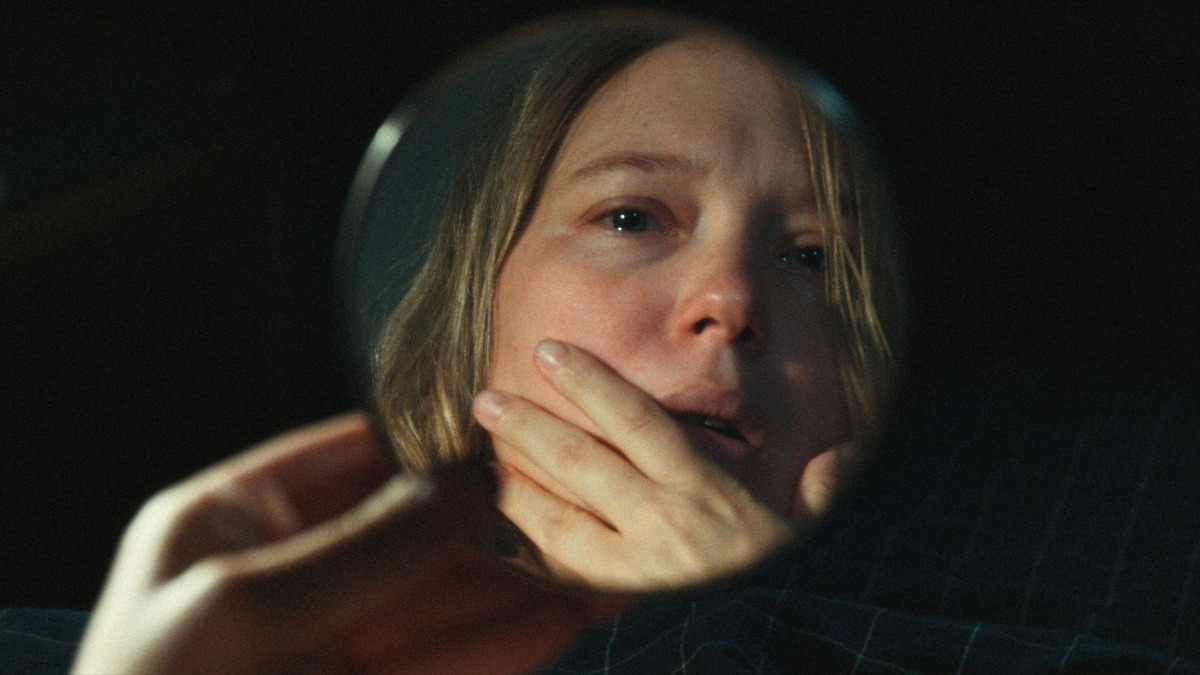
For starters, let me rectify a mistake made in our most anticipated Cannes film list—aside from anticipating “Hope” at all—and correct an error I made when discussing Arthur Harari’s “The Unknown.” No, Harari’s partner and writing collaborator Justine Triet did not, in fact, have any hand in writing the latest film by her “Anatomy of a Fall” co-scribe, and upon viewing the film, this much is clear as day. Where Triet and Harari’s co-written productions probe the social weights of French womanhood, “The Unknown” takes a decidedly more spectral approach to a cryptic metaphor that could stand for anything from transness to STDs.
Written by Harari, his brother Lucas, and Vincent Poymiro, “The Unknown” uncomfortably luxuriates in the frigid distance created by its unexplained premise to unpack not the intrigue of solving its body-swapping dilemma, but rather the abject horror of acclimating to a reality that seems increasingly irreversible, and increasingly at odds with one’s drive to exist on one’s own terms. Featuring haunting and haunted performances from Léa Seydoux, Neils Schneider, and (of all people) Radu Jude, Harari’s third feature film finds the French writer-director at his most opaque and uncompromising.
9. Iron Boy
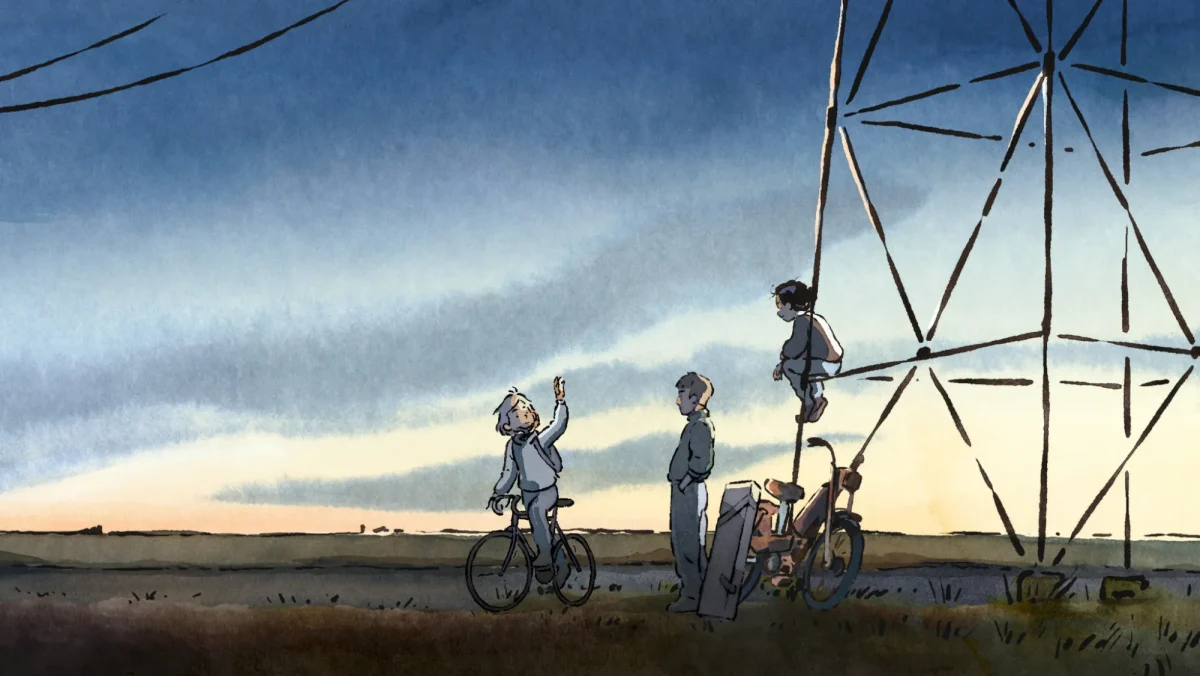
The only feature from the Un Certain Regard sidebar to make this list—again, “Club Kid” will be a top priority once it releases under any circumstances that make its viewing feasible—Louis Clichy’s “Iron Boy” continues a longstanding tradition of animated films in Cannes that quietly upend the vast majority of the selection. And while Clichy’s soft, familial film isn’t quite as striking in either style or thematic sprawl as last year’s “Little Amélie or the Character of Rain,” the film maintains in its tenderness a tangible understanding of the difficulties of rural life that hide beneath every serene gust of wind or carefree song of a passing swallow.
Drenched in beautifully shaped watercolour design, “Iron Boy” homes in on the calming appeal of countryside life—the awe of a humming tractor that carries an entire family’s livelihood, or the ecstasy of a massive pipe organ subservient to the meticulous controls of a casual player—at the same time that its visual splendour acts as a caring hand to guide you through the everyday stresses that come with a life on the fringes of a wheat field.
When every season is a life-or-death race to keep food on the table, and the only way you can feel useful is by seemingly separating yourself from the family hustle altogether, Clichy opens himself and his film up to the strains that might not be so alleviable in the face of a few swaths of soothing paint.
8. The Black Ball
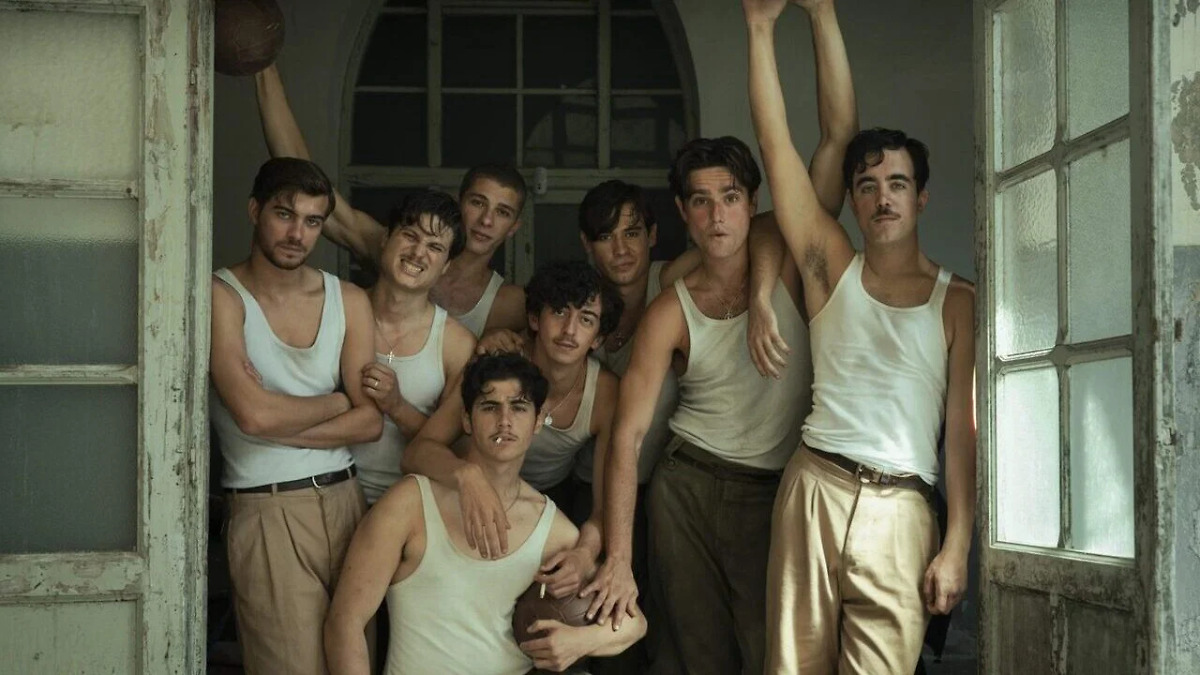
For many, the clear standout of the entire festival, Javier Ambrossi and Javier Calvo’s “The Black Ball” steamrolled the competition lineup with a sprawling, multi-faceted timeline narrative that found widespread resonance in its depiction of gay expression and representation through crucial nexus points in Spain’s recent history.
An epic whose two historical touchpoints are curiously only set five years apart—as opposed to its modern timeline, set a full 80 years later than its own nearest counterpart—the directors, known collectively as Los Javis, cleverly interweave their chosen moments in such a way that cements their unified importance beyond any individual expressions of repression or wartime hardship.
Though somewhat hampered in its visceral reach by an underlying desire to crowd-please – the Miramax/Weinstein-era comparisons are, unfortunately, well-founded, if not exactly full-on condemnations—the film that Los Javis assemble is nonetheless stringently tied to its representative capabilities as an expression of fractured Spanish identity and queer solidarity linked throughout the ages, with passion and passion alone welding those links together into an unbreakable chain. “The Black Ball” is sure to set the film scene ablaze across the rest of the year, and the unmitigated enthusiasm with which it approaches its distinct sense of kinship makes such a prospect quite easy to root for.
7. Fatherland
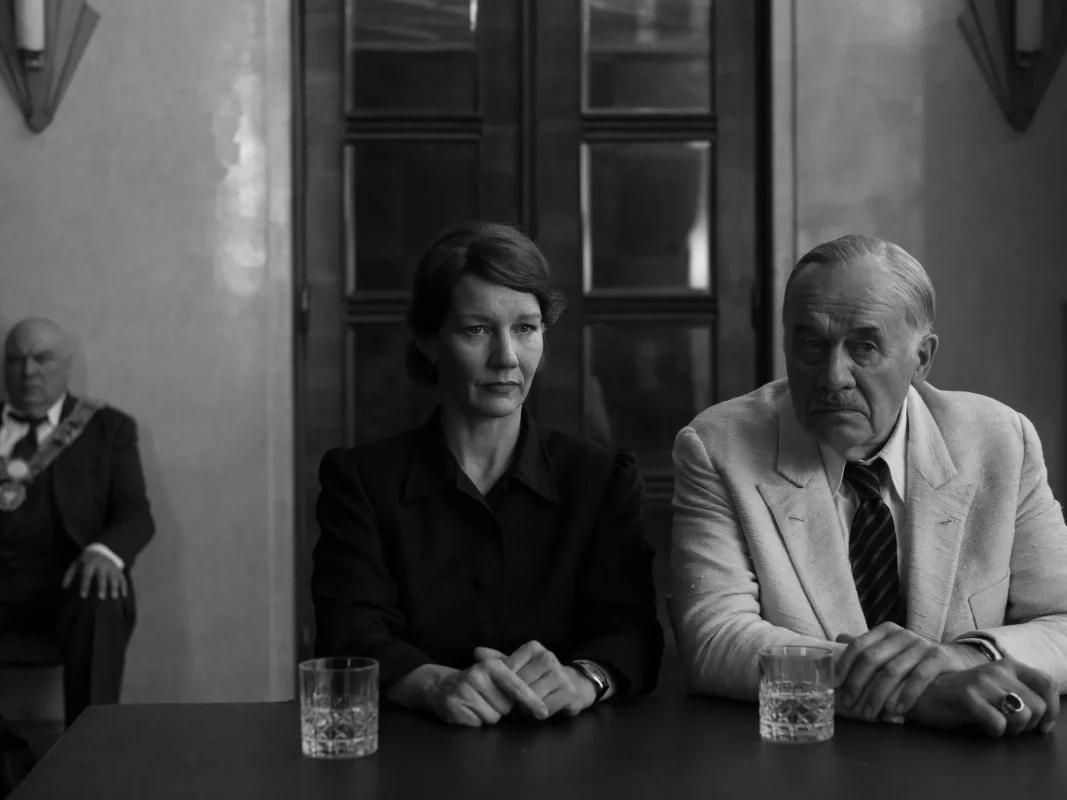
While Paweł Pawlikowski’s long-awaited return to filmmaking didn’t quite result in the most distinctive branching off from the visual and thematic stylings that made “Ida” and “Cold War” such instant successes, one is consequently left to wonder whether any such diversions would have even been welcome at all.
This was the eternal question being waged for any number of auteurs returning to the Croisette after an extended sabbatical, but for its own efforts, “Fatherland” still configured Pawlikowski’s newfound visual and subjective fascinations with postwar European history into another brief and ruminative examination of the traumas that linger when the gunshots still echo years after they’ve ceased firing.
For all the mournfully meditative poignancy that stars Sandra Hüller and Hanns Zischler are able to silently communicate across “Fatherland”’s brisk runtime, the interminable shadow of Germany’s wartime horrors lingers most prominently over August Diehl as the leading pair’s respective brother and son. His concise tenure in the film, therefore, gives Pawlikowski his most purely incisive conduit into unpacking the lingering effects of this historical identity, and allows “Fatherland” to stir in its own despair at the prospect of finding belonging between two moments in time that both feel entirely foreign.
6. Fjord
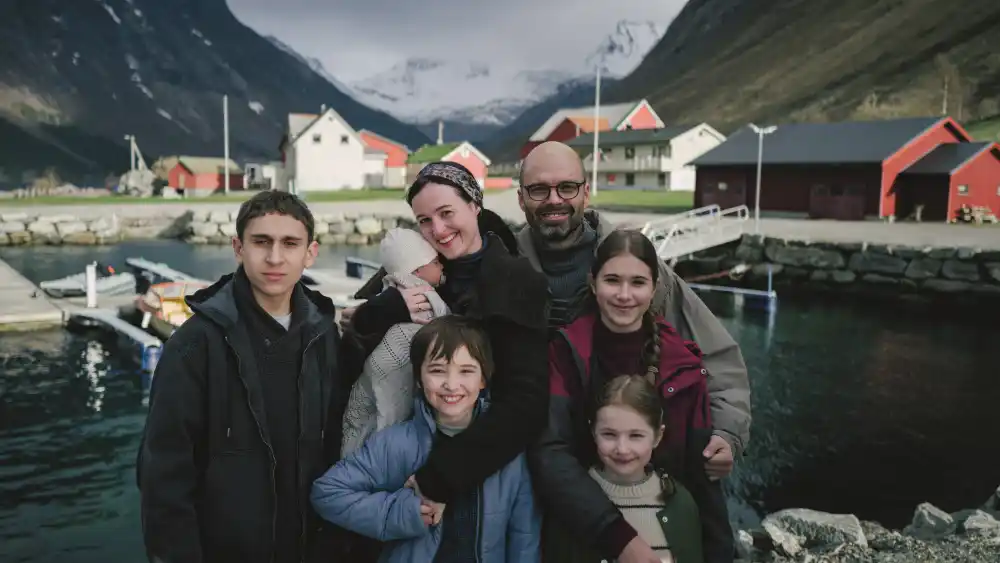
For the second time in almost 20 years, Cristian Mungiu—perhaps Romania’s most internationally known filmmaker, despite Radu Jude threatening to overtake him with nothing but profanely stale satire—procured the Cannes Film Festival’s most coveted prize with a stirring depiction of a specifically cutting issue in his native land. With “Fjord,” Mungiu’s Palme d’Or win feeds on even more compelling context by tying itself to a form of local hardship inextricably linked to international perceptibility.
The result is a take on ostracization and persecution that asks much of its viewers by way of proffering sympathies for a religious fundamentalist family unit, but the power of Mungiu’s realist approach allows him to throw too many questions into the air for any simple solution to be pulled down and enshrined as a catch-all answer to everyone’s problems.
Sebastian Stan and Renate Reinsve chew on this ambiguity with a genuine care for a pair of roles that, in many other hands, would read as completely unsympathetic, but find in “Fjord” the need to be understood before they can be wholeheartedly dismissed. The result is sure to be one of the most debated and contested Palme d’Or wins in recent memory, but one whose discussions will thrive in the socially reflective fervour of those debates.
5. The Man I Love
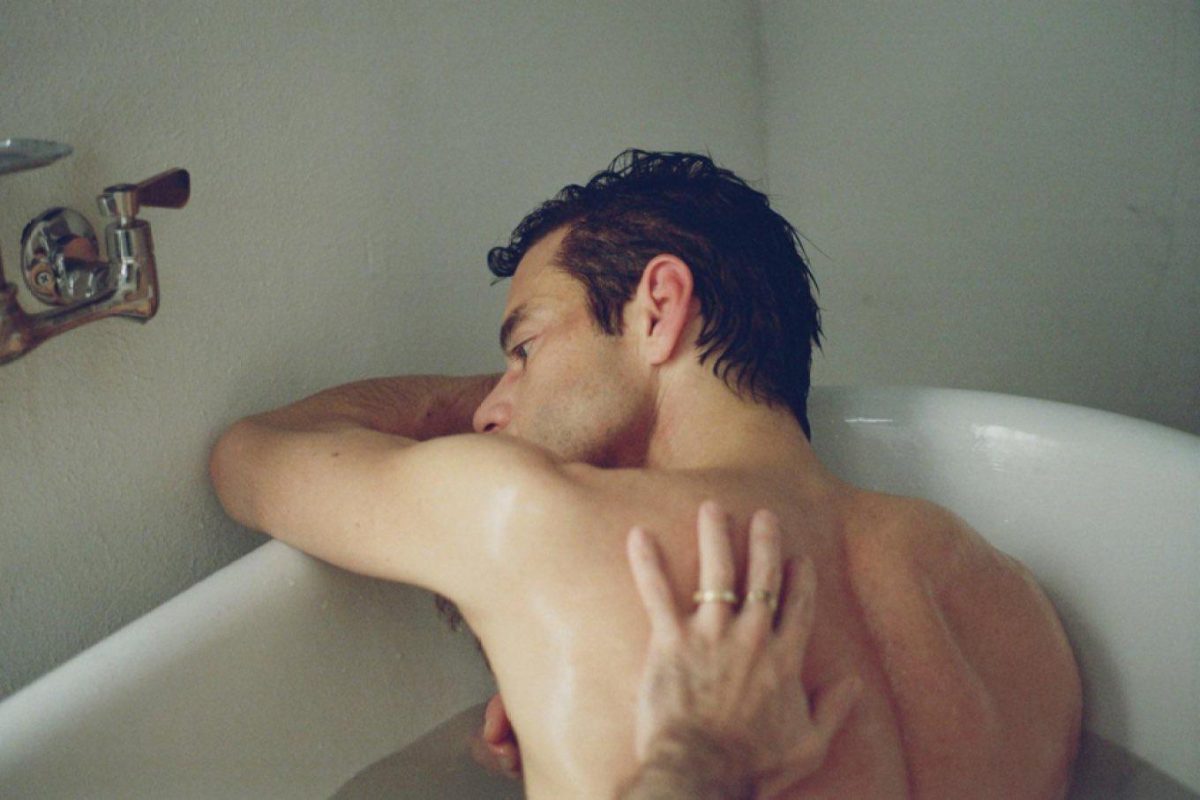
Among the only American names to grace this year’s competition lineup—and, upon the initial lineup announcement, THE only one—Ira Sachs certainly had some lofty expectations to meet that, for those familiar with the intimacy of his oeuvre, might have made for an unfair burden. But to the shock and delight of everyone who winced at Sachs’s only other Cannes competition appearance—2019’s “Frankie,” which I will always attest to be an underrated gem—“The Man I Love” turned out to be one of this year’s great standouts, as a melancholy view of urgent affection strengthening just as its subject fades right before your very eyes.
Perhaps more surprising is that “The Man I Love” lives and dies by the strength of a lead performance by Rami Malek, an actor whose extremely specific skillset has often revealed his crippling limitations in any role that falls outside that narrow purview. Here, Malek gives the standout performance of his career easily, melding boisterous confidence with debilitating fragility to morph his frail physique into nothing short of tragedy incarnate.
In a role that Sachs would likely have given Ben Whishaw if he’d been available for shooting, Malek becomes the beating heart of a film whose rhythm slows to a death crawl, as that agonizingly quiet countdown to the end becomes its own testament to the impact of so many loves that had only just begun.
4. The Beloved
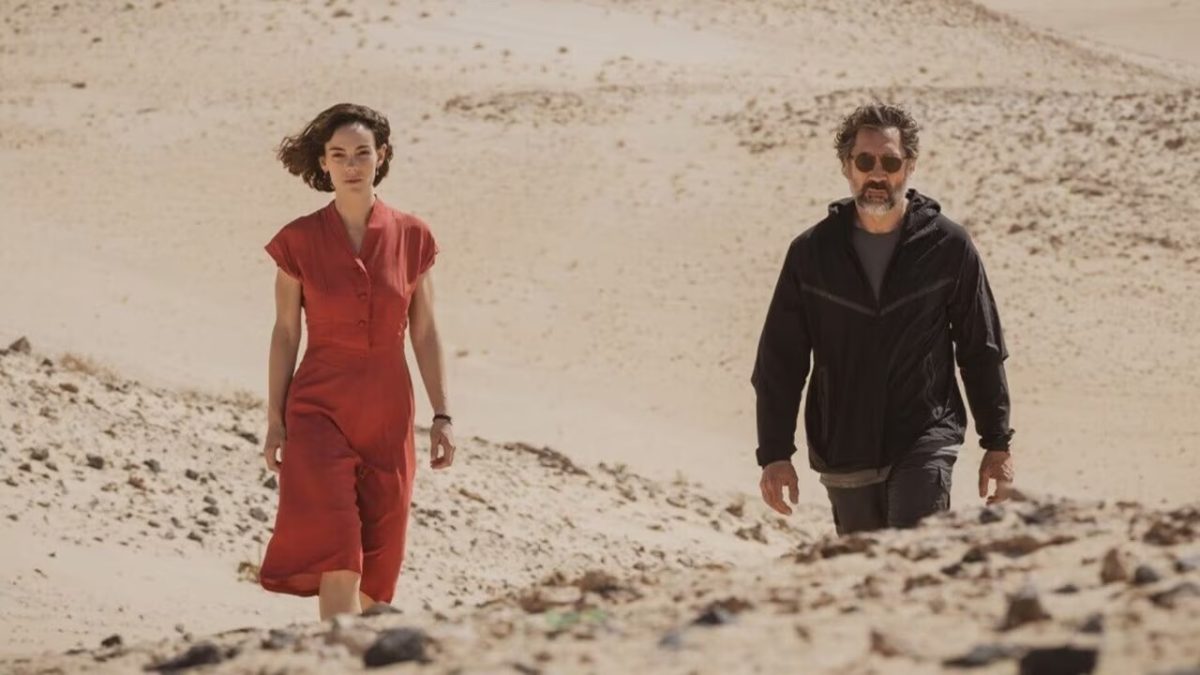
Another actor putting in career-best work in this year’s Cannes lineup was none other than Javier Bardem, who moved his way through Rodrigo Sorogoyen’s “The Beloved” with all the blunt sensitivity of a bull who sees his entire herd turning away from him in slow motion. In a film whose “father-daughter bonding by way of a troubled movie shoot” premise risks coming across as somewhat passé, Bardem’s solemn magnitude absorbs every frame as each of his attempts to meet Victoria Luengo on her more effortlessly affable plane becomes a fight for survival—both of their relationship and of his own sense of being as an artist and a father.
Amid all this interpersonal strife, Sorogoyen sidesteps the potentially unflattering “Sentimental Value” comparisons by zeroing in almost entirely on the film shoot in question, allowing Bardem to fully illustrate the pressure of his character’s rigorous will in the face of impending, unavoidable compromise.
And while “The Beloved” finds Sorogoyen flooding the screen with any number of fractured visual cues to illustrate the familial fissure that grows—changes in aspect ratio, colour, or film stock—none prove as effective as the two-shot conversation that opens the film, with each cut painting Bardem and Luengo’s expressions with increasing trepidation and regret.
3. Minotaur
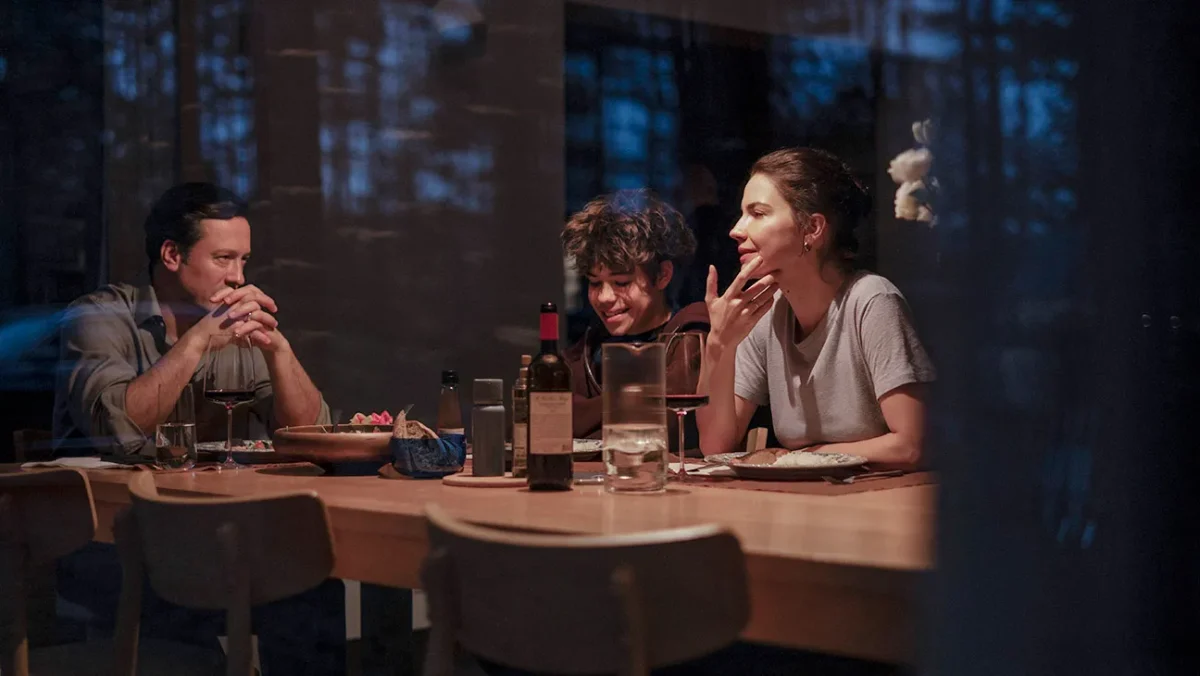
Andrey Zvyagintsev is a figure long-missed in the art cinema sphere, and with “Minotaur,” the prospect of a film that feels as though “the artist never left” couldn’t have been a more welcome one. The standard that the Russian director had set for himself with the likes of “Elena,” “Leviathan” and “Loveless” was already difficult to meet, but with his first film since recovering from a particularly nasty bout of COVID-19—and, more crucially, his first film since fully breaking from the Russian Federation—Zvyagintsev proves that a long absence does not necessitate a softening of the voice that we’ve come to miss in the first place.
Of course, the major change in socio-political circumstance since Zvyagintsev’s absence—at least, the one directly related to his homeland—was the Russian invasion of Ukraine, and with “Minotaur,” the filmmaker examines his usual interest in class and corruptibility through a lens far more viscerally acute than perhaps ever before. With so few films made about the invasion that are actually set within the borders of the aggressor state, “Minotaur” stands as an unsuspecting groundbreaker as the casual disregard for life in the face of oligarchal comforts takes centre-stage.
2. Paper Tiger
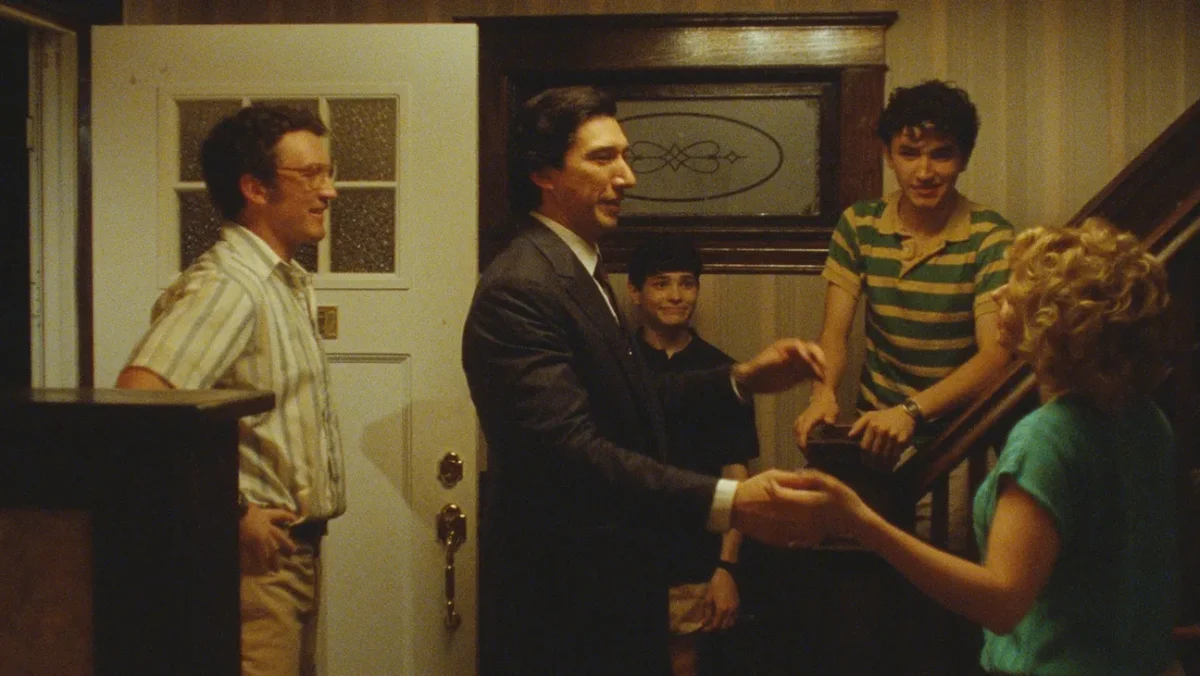
Every few years, we, the James Gray faithful, assemble to bask in the aggressively old-school melodrama of his latest feature, only to see it leave the festival circuit empty-handed and largely fall to the wayside of wider film discourse. Well, no reason to switch up on our king just because the rest of the world is too slow to catch up, because “Paper Tiger,” once again, finds Gray in top form as an architect of searing fraternal tragedy in the dingy streets of 20th-century New York.
Equipped with some career-high work from Adam Driver, Miles Teller and Scarlett Johansson, Gray dives further into the tumult of familial trust than ever before, as “Paper Tiger” fully engrosses itself within a wholly devastating view of the lengths to which some are willing to go when blood-bonded trust is brought into question, and how little reward can actually be expected when such sacrifices are made without the unquestionable presence of that trust as a crutch to support you.
Gray may not be breaking any new ground in a filmography that has already explored these alleys in “The Yards” and “We Own the Night,” but few of his films—or anyone else’s, for that matter—have so reactively distilled that familial disruption to such a casually calamitous degree.
1. All of a Sudden
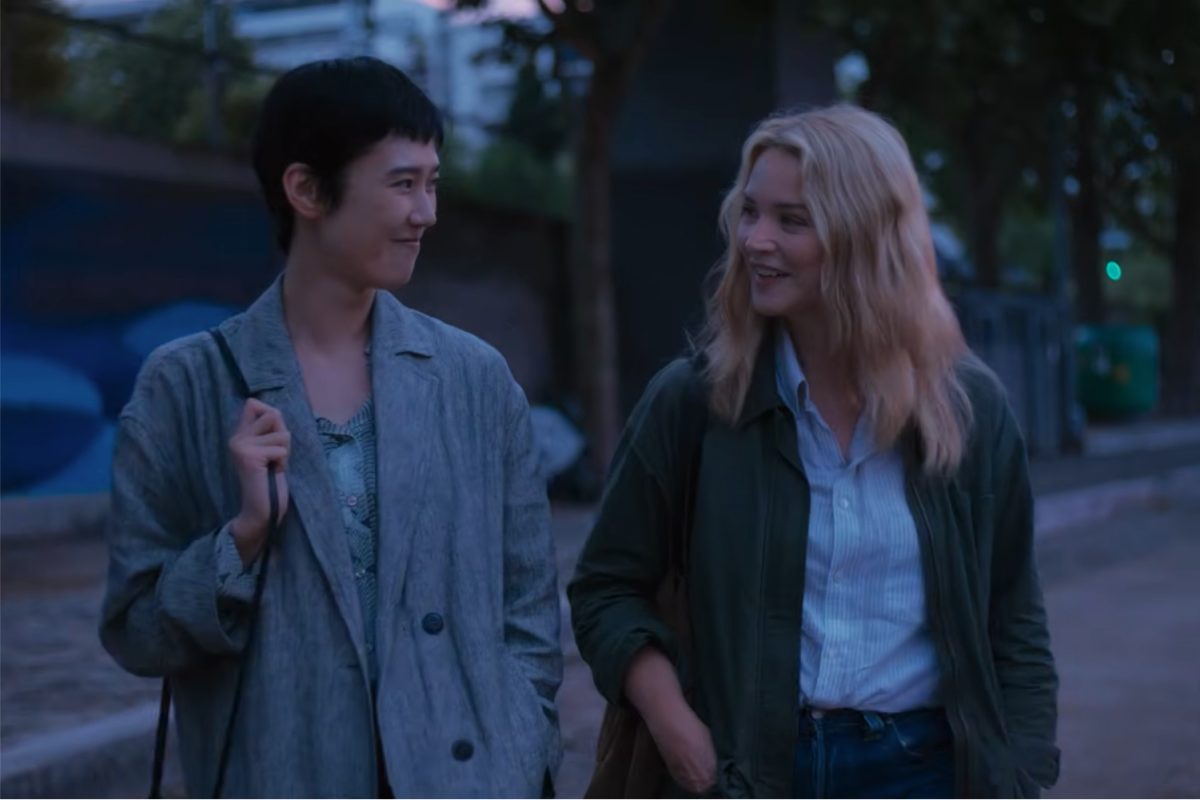
Ryūsuke Hamaguchi, when it’s all said and done, might just go down in history as one of cinema’s most empathetic voices, and while “All of a Sudden” might not quite constitute the absolute peak of his powers—that remains “Drive My Car”—the Japanese auteur’s latest venture into quotidian philosophizing may very well be his most benevolent expression of human tenderness yet. Finally bringing his Rohmerian influences onto Rohmer’s own home turf, Hamaguchi explores the bounds of interpersonal healing with one of the most rigorous and hopeful cinematic expressions of mutual understanding that you’re likely to find in any modern film not directed by Mike Leigh.
Rightfully earning a joint Best Actress prize in Cannes—though a Palme d’Or wouldn’t have been unwelcome—Virgine Efira and Tao Okamoto revel in the patient rigour of Hamaguchi and Léa Le Dimna’s smooth but ever-inquisitive screenplay, allowing a 196-minute runtime to consistently feel earned and even necessary in the face of so many of life’s questions and hopes confronted by two women who see in one another the strength to keep seeking a viable truth beyond the mere act of asking. But asking is always the first step, and for Hamaguchi, that difficult first step is one that will always be taken without reservation.



![Demolition Girl [2019]: ‘Japan Cuts’ Review- A Soul-Crushing Coming-of-age Drama](https://www.highonfilms.com/wp-content/uploads/2019/08/D-Girl-1-548x365.jpg)